Tennis: A Beginner-Friendly Guide to the Sport
Tennis is one of those sports that looks elegant from the stands yet feels wonderfully demanding the moment you step onto the court. It blends timing, movement, patience, and problem-solving in a way that keeps beginners curious and experienced players honest. Whether you want a healthy hobby, a social outlet, or a competitive challenge, the game offers a clear path from simple rallies to memorable matches. This guide explains the essentials so your first steps feel less confusing and much more fun.
Outline: This article begins with the foundations of tennis, then moves through the essential shots and footwork, the fitness habits that support steady progress, the strategic side of match play, and finally a practical roadmap for beginners who want to start well and keep improving.
1. The Basics of Tennis: Court, Rules, and Scoring
Tennis is played by either two people in singles or four people in doubles, and that simple setup hides a remarkably layered sport. The court is 78 feet long, while the width changes depending on the format: 27 feet for singles and 36 feet for doubles. A net divides the space, standing 3 feet high at the center and slightly higher near the posts. From the first lesson, it helps to know the court as more than painted lines. The baseline is where many rallies begin, the service line helps form the service boxes, and the alley on each side matters only in doubles. Once a beginner can “read” the court, tennis stops feeling like random movement and starts feeling organized.
The equipment is straightforward, which is part of the sport’s lasting appeal. A racket, a can of pressurized balls, and shoes with decent court grip are enough to begin. Modern rackets are usually made from graphite or composite materials, making them lighter and more forgiving than older wooden frames. Tennis balls are standardized in size and bounce for official play, but beginners often do well with slower practice balls because they give extra time to react. Compared with sports that require large fields or heavy protective gear, tennis is relatively accessible. At the same time, small differences in equipment can influence comfort and control, so even early choices matter.
Scoring is where tennis first feels unusual. A point progresses from love to 15, 30, and 40, then to game. If both players reach 40, the score becomes deuce, and one player must win two straight points to take the game. Sets are commonly won by reaching six games with at least a two-game margin, though tiebreaks are often used at 6-6. Matches are usually best of three sets in recreational play, while some major men’s events use best of five. The language sounds old-fashioned, but the logic becomes natural after a few games. Tennis scoring creates tension very efficiently, because a player can trail for long stretches yet still swing momentum back with a few smart points.
For a beginner, the most useful comparison is this: tennis feels more personal than many team sports and more tactical than it first appears. You are not only hitting the ball over the net; you are managing space, rhythm, and risk. A short summary of the court helps:
• Baseline: where rallies often begin and reset
• Service boxes: where each serve must land
• Singles sidelines: boundaries for one-on-one play
• Doubles alleys: extra width used only in doubles
• Center mark: a small guide for legal serving position
Once these basics click, watching professional events such as the Australian Open, Roland-Garros, Wimbledon, and the US Open becomes far more enjoyable, because the patterns on television suddenly make sense.
2. The Core Shots and Footwork Every Beginner Should Learn
If tennis has a language, shots are its vocabulary. The forehand is usually the first stroke a beginner learns because it feels more natural on the dominant side and often becomes the player’s main weapon. The backhand comes next, either with one hand or two. A two-handed backhand is common among beginners because it offers extra stability, while a one-handed version can provide reach and variety but often takes longer to master. Then there is the serve, the only shot you start completely under your own control. That makes it both empowering and frustrating. A serve can feel like a magic trick one day and a puzzle with missing pieces the next.
Beyond those basics, tennis quickly opens into different shot types. Topspin causes the ball to dip faster and bounce higher, which helps with control on aggressive swings. A flat shot travels with less arc and can feel cleaner, but it usually leaves less margin above the net. Slice sends the ball with backspin, keeping it lower and often slower, which can disrupt an opponent’s timing. Volleys are struck before the ball bounces and usually happen near the net, while overheads finish points when the ball sits up high. For a beginner, the goal is not to use every variation immediately. The smarter approach is to build reliable contact first, then add complexity as timing improves.
Footwork is the quiet engine behind every stroke. New players often think the problem is their swing when the real issue is their position. Good movement begins with a ready stance, bent knees, and the split step, a small hop timed just before the opponent hits. From there, players adjust with short, quick steps rather than one desperate lunge. Recovery is just as important as reaching the ball in the first place. After a shot, you should not admire it for too long; you need to move back into a strong court position. This is why experienced players can look smooth even when rallies are fast. Their feet are solving problems before their arms have to.
A useful beginner checklist looks like this:
• Meet the ball in front of your body when possible
• Keep your head steady through contact
• Finish the swing instead of stopping abruptly
• Recover toward the center after neutral shots
• Use small adjustment steps near the bounce
Think of movement and stroke production as dance partners rather than separate skills. A clean forehand without balance rarely holds up, and great footwork without a controlled racket face wins nothing on its own. When both begin to cooperate, even a short rally starts to feel musical, as if the ball is no longer being chased but invited.
3. Fitness, Practice Routines, and Injury Prevention
Tennis asks the body to do several things at once. It requires bursts of speed, quick stops, rotation through the hips and torso, and enough endurance to repeat those actions over many points. Even though an individual rally can be short, a match may last well over an hour, and the stop-start nature of the sport makes recovery ability important. In that sense, tennis sits between sprinting and strategy. You need the explosiveness to react now and the stamina to do it again, then again, then once more when the score gets tight. Beginners do not need elite conditioning, but they do benefit from understanding that fitness supports technique rather than sitting in a separate category.
A smart warm-up is one of the easiest ways to play better and reduce avoidable strain. Instead of going straight from sitting to serving, start with light jogging, side shuffles, arm circles, and dynamic stretches for the hips, calves, shoulders, and thoracic spine. A few shadow swings can help connect the body to the racket before real hitting begins. Strength training also matters, especially for the legs, core, and upper back. You do not need a complicated program. Squats, lunges, calf raises, planks, rows, and controlled shoulder exercises create the kind of stability that tennis rewards. Mobility work supports this by helping joints move through a healthy range, especially in the shoulders and hips.
Injury prevention should be practical, not dramatic. Common trouble spots include the shoulder, elbow, wrist, lower back, knees, and ankles. Many of these problems grow from poor workload management rather than one terrible moment. Serving hard for an hour without preparation, wearing the wrong shoes on the wrong surface, or trying to play every day after a long break can all create unnecessary setbacks. Court shoes matter because they are designed for lateral movement, which running shoes do not handle as well. Hydration, rest, and gradual progress matter too. None of these habits are glamorous, but they are what keep beginners on the court long enough to improve.
A simple weekly model for a new player might look like this:
• 2 tennis sessions focused on rallying and control
• 1 lesson or guided practice if possible
• 2 short strength sessions of 20 to 30 minutes
• 1 mobility or recovery day
• 1 full rest day
This kind of structure is often more effective than one exhausting marathon hit followed by soreness and lost enthusiasm. Tennis improvement tends to favor consistency over heroic bursts. If your body feels prepared, your technique settles faster, your concentration lasts longer, and the sport becomes more enjoyable instead of feeling like a test you forgot to study for.
4. Strategy, Match Formats, and How Tennis Changes by Surface
Once a player can rally with some control, strategy starts to matter in obvious ways. Tennis is not only about hitting a good shot; it is about hitting the right shot for the score, the court position, and the opponent’s tendencies. A beginner often improves quickly by learning just a few patterns. Hitting cross-court gives more margin because the net is lower in the middle and the court is longer on the diagonal. A deep ball is usually safer and more useful than a flashy winner attempt from a poor position. Changing direction down the line can be effective, but it generally carries more risk. The best early strategy is simple: build the point before trying to finish it.
Singles and doubles may share a court, but they can feel like different sports. Singles usually demands more running, more endurance, and a clearer sense of how to defend open space. Doubles rewards reflexes, positioning, communication, and net play. In singles, a heavy cross-court rally can slowly move an opponent off the court. In doubles, that same ball may be intercepted by an alert net player. Beginners who feel overwhelmed by running sometimes enjoy doubles sooner because it offers teamwork and shorter points. Others prefer singles because every decision is theirs alone. Neither format is “better”; they simply emphasize different strengths.
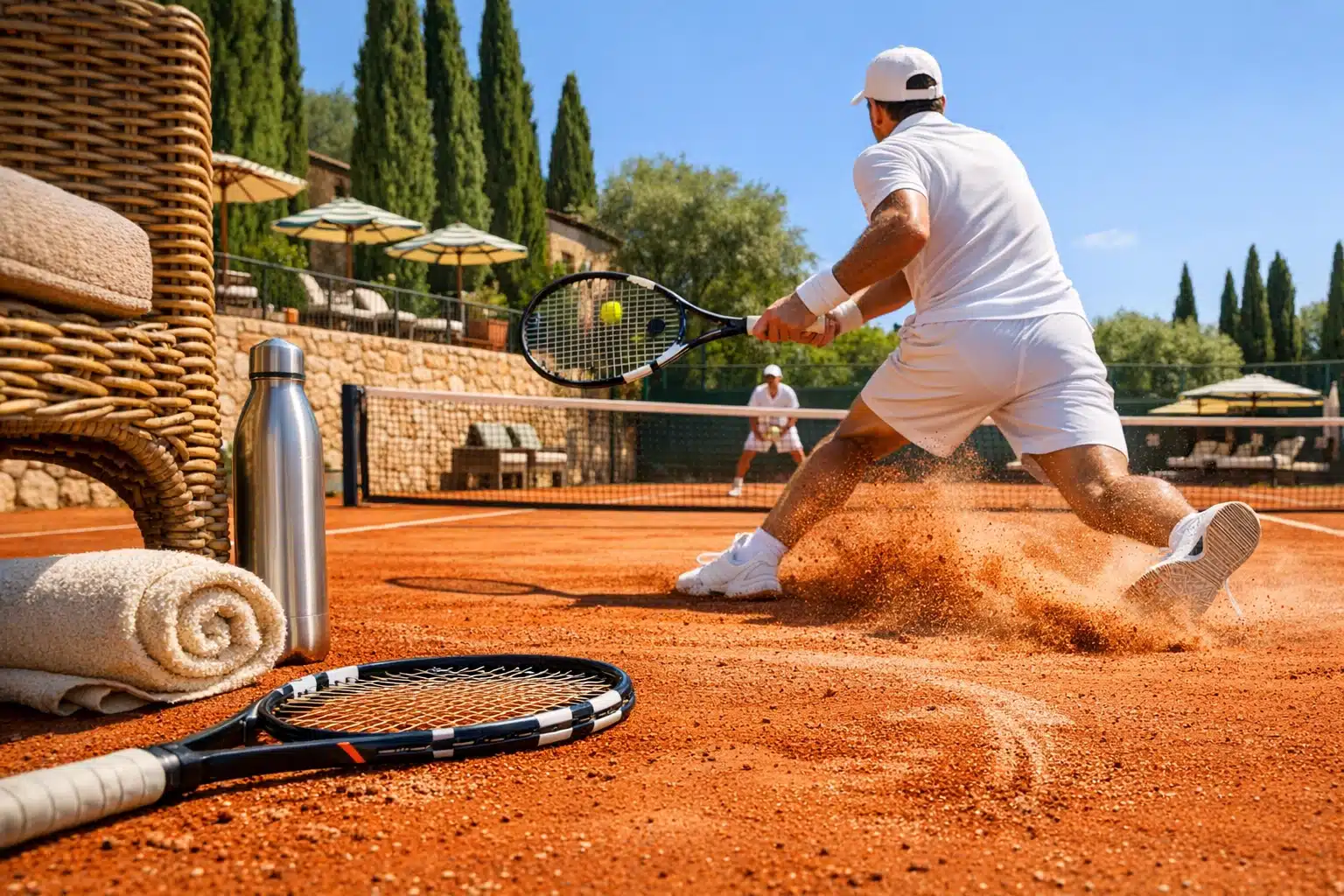
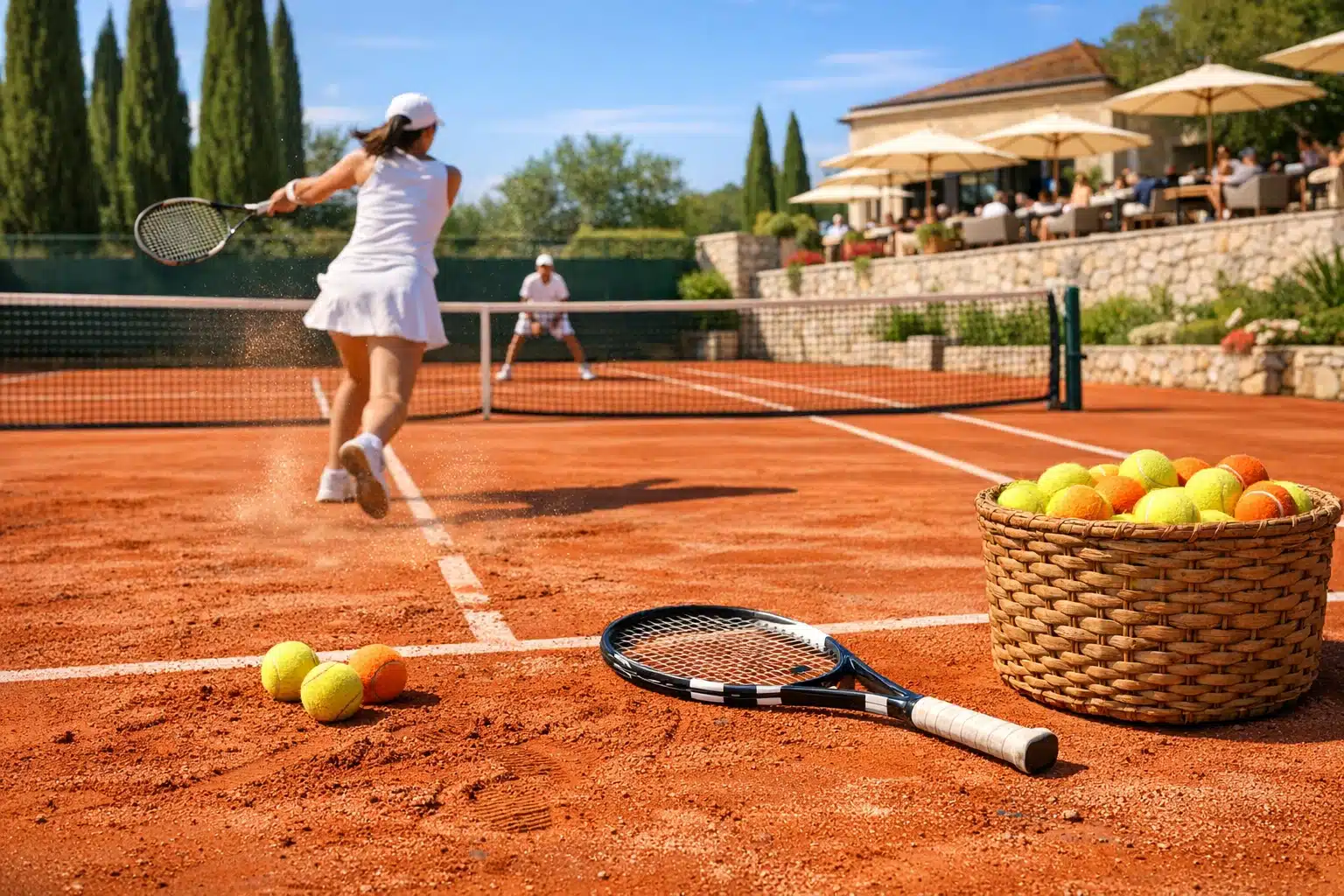
Surface also shapes the character of tennis. Hard courts are the most common in many public facilities and tend to offer a medium, predictable bounce. Clay courts generally slow the ball and produce a higher bounce, often leading to longer rallies and more sliding movement. Grass courts are less common for everyday players, but they are famous for a lower, faster skid that rewards quick reactions. These differences influence style. A patient baseline player may enjoy clay, while an aggressive server or net attacker may like faster courts. Even at a beginner level, surface changes how much time you have and how the ball behaves after the bounce, so it is worth paying attention.
Mental strategy matters too, especially because tennis has no game clock to hide behind. You must manage momentum, frustration, and concentration one point at a time. A practical match guide is:
• On big points, choose a pattern you trust
• When late to the ball, play higher and safer
• If errors pile up, aim deeper through the middle
• Notice what your opponent dislikes, then test it again
• Treat the score as information, not a source of panic
In this way, tennis becomes a chessboard with sneakers. The geometry is visible, but the pressure is personal. Learning strategy does not make the sport less fun; it makes every rally richer, because suddenly each shot has a purpose beyond simply getting the ball back.
5. Conclusion: A Practical Roadmap for New Tennis Players
If you are new to tennis, the good news is that you do not need perfect form, expensive gear, or a tournament calendar to begin well. You need a manageable plan and enough curiosity to stay with the awkward early phase. Start with a comfortable, beginner-friendly racket rather than the heaviest or most advanced model on the shelf. A midplus head size and moderate weight usually give newer players a useful blend of control and forgiveness. Add proper court shoes, a few balls, and clothes that allow free movement. That is enough to begin learning without getting trapped in equipment myths.
The next step is finding a setting that suits your personality. Some people thrive in group clinics because the atmosphere is social and drills keep things moving. Others improve faster with private coaching, where feedback is immediate and personal. Hitting with a friend can also work well if both players value practice over showing off. Public parks, local clubs, school facilities, and community recreation centers often provide entry points at different price levels. If formal instruction is not available right away, watching reliable teaching videos and filming your own practice can still help, especially when paired with patient repetition. The key is to create a routine that feels realistic enough to continue.
For the first couple of months, a beginner roadmap could be:
• Learn basic grips and court positions
• Build a simple serve motion before chasing power
• Practice short rally control before full-court hitting
• Focus on contact and balance more than winners
• Play friendly sets to make the rules feel natural
• Keep notes on what feels difficult and what improves
This kind of progression works because it respects how tennis is actually learned. Progress rarely arrives in a straight line. One week the forehand feels easy and the serve disappears; another week the reverse is true. That is normal. Tennis has a way of humbling players and rewarding them in the same afternoon.
For beginners, casual athletes, returning adults, and parents introducing the sport to children, tennis offers something valuable: it can be social without being dependent on a large group, competitive without needing constant contact, and demanding without becoming monotonous. The sport teaches patience, body awareness, and decision-making in real time. If you approach it with consistency rather than perfectionism, the early confusion fades and the game opens up. What first seemed like scattered movement and strange scoring starts to feel logical, then enjoyable, then deeply satisfying. That is the real invitation of tennis: not instant mastery, but a long, engaging path that keeps giving you reasons to come back.