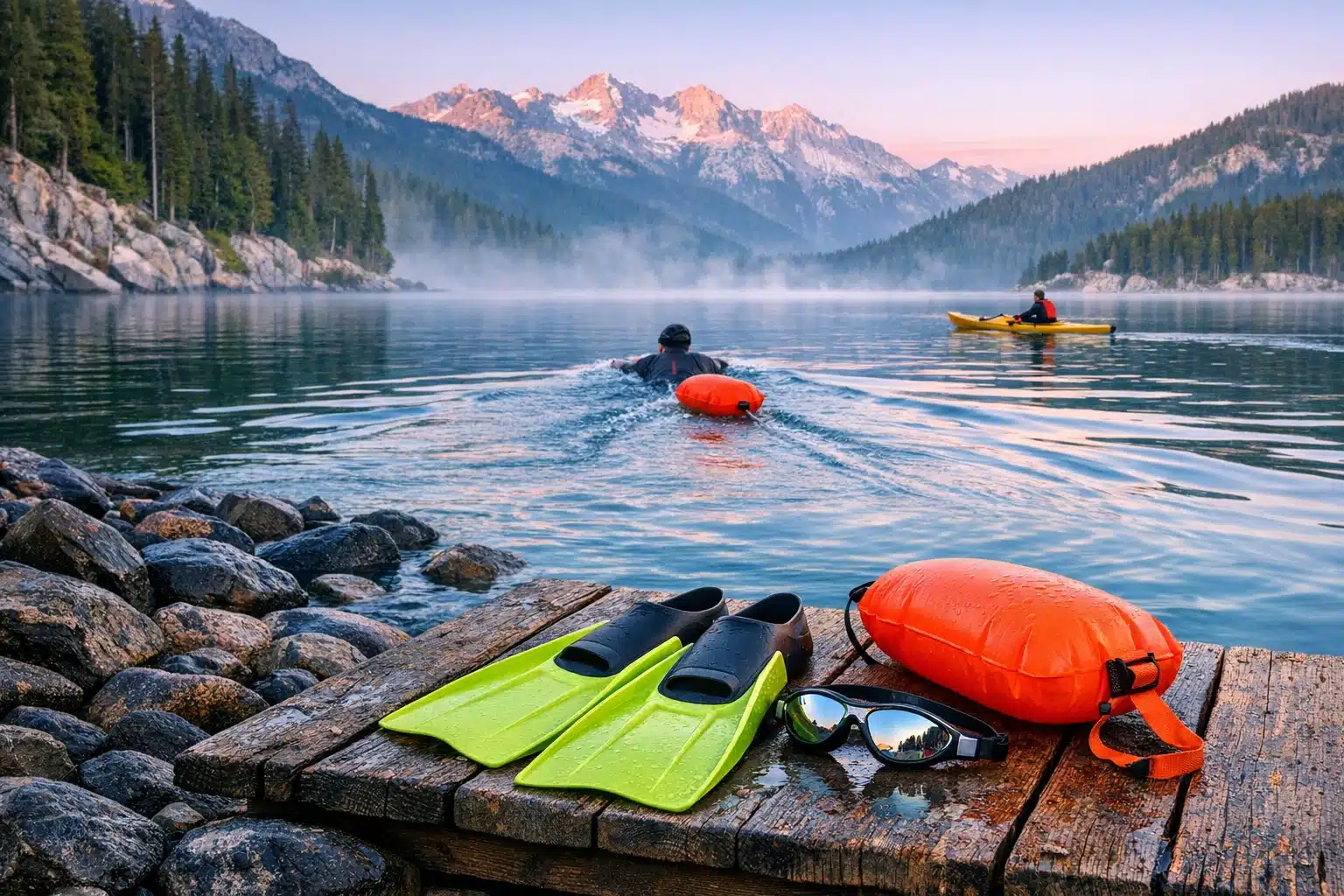
Explore the world of swimming
Swimming sits at a rare crossroads: it is a survival skill, a competitive sport, a gentle form of exercise, and, for many people, a moving meditation. In the pages ahead, you will first see a clear outline, then a guided tour through technique, training, equipment, safety, and the wider culture of the water. Whether you hope to swim your first confident length or refine race-day details, this article is designed to help you read the water with sharper eyes.
Outline: 1. Why swimming matters for health, safety, and daily life. 2. How the four main strokes work and what makes each one distinct. 3. How swimmers improve through drills, pacing, and structured practice. 4. What equipment and safety habits matter in pools and open water. 5. How swimming becomes a lifelong pursuit through community, competition, and personal growth.
Why Swimming Matters Beyond the Pool
Swimming matters because it solves several human needs at once. It is exercise, transportation in an emergency, recreation, therapy, and sport. Few activities can claim that range. A person who learns to swim gains more than a way to move through water; they gain confidence in an environment that can be joyful but unforgiving. That point alone makes swimming different from many other forms of exercise. A treadmill can tire you out, but it cannot save your life. Swimming can.
From a health perspective, swimming is often praised because it is low impact while still demanding real effort. Water supports body weight, which reduces stress on joints, and resistance comes from every direction, so muscles must work continuously to move forward. That combination explains why swimming is often recommended for older adults, people returning from injury, and those who want cardiovascular exercise without the pounding associated with some land-based sports. Public health guidance in many countries recommends at least 150 minutes of moderate aerobic activity per week, and swimming fits that target well. A steady session can raise heart rate, train the lungs, and improve endurance without requiring expensive facilities beyond access to safe water.
Its mental effects are just as important. Repeated strokes, measured breathing, and the quiet hum of the water can create a focused state that many swimmers describe as calming. It is not magic, and it does not replace medical care, but it can be a valuable part of stress management. There is something oddly clarifying about following a black line at the bottom of a pool while the rest of the day fades into muffled echoes.
Swimming also has a strong safety dimension. Drowning remains a serious public health issue worldwide, especially where access to water is common and swimming instruction is limited. Learning floating, treading water, safe breathing, and basic stroke mechanics can reduce risk and build better judgment around rivers, lakes, and beaches. Strong swimmers are not invincible, but trained swimmers usually recognize danger sooner and respond more effectively.
Several qualities explain its broad appeal:
• It can be recreational or highly competitive.
• It trains endurance, coordination, and breath control together.
• It is available to many age groups.
• It can be practiced alone or in a team setting.
That is why swimming remains relevant across cultures. It teaches respect for water, rewards patience, and offers a path from first splash to lifelong skill.
Understanding the Four Strokes and the Mechanics of Movement
To watch skilled swimming is to see engineering disguised as grace. Every stroke is a negotiation with drag, balance, timing, and breath. The four competitive strokes, freestyle, backstroke, breaststroke, and butterfly, all move a swimmer forward, yet each asks the body a different question. Freestyle asks how efficiently you can travel with a streamlined body and rhythmic rotation. Backstroke asks whether you can stay aligned while moving blindly on your back. Breaststroke asks for timing and precision. Butterfly asks for power, coordination, and nerve.
Freestyle, usually swum as front crawl, is the fastest and most commonly taught stroke for fitness. One arm recovers above the water while the other pulls beneath it, and the body rotates side to side to lengthen the stroke and support breathing. Good freestyle is not a frantic windmill. The strongest swimmers keep a long line from fingertips to toes, breathe without lifting the head too high, and use a kick that supports position rather than splashing for show. Small technical improvements here can produce noticeable gains in speed and endurance.
Backstroke mirrors some freestyle principles but changes the visual and balance demands. Because the face remains above the surface, breathing is less restricted, yet body position becomes tricky. Hips that sink create drag, and lane awareness matters because swimmers cannot see where they are going. Backstroke can feel liberating for beginners who dislike face-down breathing, but it rewards subtle control more than brute force.
Breaststroke is slower, but calling it easy would be a mistake. It uses a simultaneous arm pull and whip kick, followed by a glide. Timing is everything. A mistimed breaststroke wastes energy and stalls momentum, while a well-timed one feels as if the swimmer is sliding through polished glass. It is also the stroke where many recreational swimmers develop habits that work for casual movement but differ from efficient competitive technique.
Butterfly is often viewed as the dramatic cousin of the family. Both arms recover together, the kick comes from a dolphin-like wave through the body, and breathing must be woven into the rhythm without breaking form. It is demanding because errors multiply quickly. Still, when done well, butterfly looks almost musical, as though the swimmer is striking chords in the water.
A simple comparison helps:
• Freestyle: fastest, efficient, versatile.
• Backstroke: good for posture awareness and continuous breathing.
• Breaststroke: technical, measured, and often favored for recreational pacing.
• Butterfly: powerful, advanced, and energy intensive.
Across all strokes, the foundations remain similar: streamline the body, reduce drag, anchor the hands and forearms effectively, and coordinate the kick with the pull. In swimming, water is always the final judge, and it rewards precision more than force alone.
Training Progression: From First Lengths to Structured Workouts
Swimming improvement rarely happens by accident. It comes from structure, repetition, and the humility to correct small flaws that feel harmless in the moment. A beginner may think progress means simply surviving more lengths, but a useful training plan does more than increase distance. It builds technique, aerobic capacity, confidence, and pacing awareness in layers. The body adapts to water slowly, which is why patient swimmers often outperform enthusiastic sprinters who start too hard and fade.
For beginners, the first goal is comfort. That means learning to exhale underwater, float in different positions, push off the wall, and coordinate a basic stroke without panic. Once those skills settle in, short repeats with rest are more effective than one long struggle. For example, eight lengths with pauses can teach control better than a single exhausting effort. The water has a way of exposing tension, and tired beginners usually tighten their shoulders, shorten their breath, and lose balance.
Intermediate swimmers benefit from purpose-driven sets. Instead of swimming randomly, they may divide a session into warm-up, drills, main set, and cooldown. Drills isolate key parts of a stroke, such as fingertip drag for freestyle recovery or kick timing for breaststroke. The main set then applies those corrections under controlled fatigue. This is where training becomes interesting, because numbers start telling a story. If a swimmer holds consistent split times across repeated distances, endurance and pacing are improving. If times fall apart, the lesson may be to start slower, rest more strategically, or repair technique before adding intensity.
Advanced training introduces specialization. Sprinters develop explosive power and underwater speed, while distance swimmers focus more on efficiency, aerobic strength, and mental steadiness. Interval training becomes central. Sets such as 10 x 100 meters on a fixed send-off or 20 x 50 at race pace teach swimmers to manage effort with discipline rather than emotion. Heart rate, stroke count, and tempo can all be tracked to guide progression.
A balanced weekly approach often includes:
• Technique work to improve feel for the water.
• Aerobic swimming to build base endurance.
• Speed sets to sharpen power and turnover.
• Kick and pull work to target specific weaknesses.
• Recovery swimming to maintain form without heavy fatigue.
Land training also matters. Mobility, shoulder stability, and core strength support better body position in the water. Still, the smartest programs remember that swimming skill is not built entirely on land. You can strengthen an engine in the gym, but you learn to steer in the pool. Consistency wins here. Three thoughtful sessions each week usually beat one heroic workout followed by silence.
Gear, Environments, and Safety: Pool Lanes, Lakes, and the Sea
Swimming is simple at its core, but the environment changes everything. A heated indoor pool, a chilly lake at sunrise, and a rolling stretch of coastline all ask different things from the swimmer. That is why gear and safety habits deserve more attention than they sometimes get. Good equipment does not replace skill, yet it can make training more effective and experience more comfortable.
The basics are straightforward: a swimsuit designed for movement, goggles that seal well, and, when required, a swim cap. Beyond that, swimmers may use kickboards, pull buoys, paddles, fins, snorkels, and pace tools. Each has a purpose. Fins can help beginners feel body alignment and add propulsion during drill work, but they can also hide a weak kick if overused. Paddles increase resistance and can sharpen catch awareness, though careless use may strain shoulders. A pull buoy removes much of the kicking demand so swimmers can focus on upper-body mechanics, but relying on it too often may create a false sense of efficiency.
Pool swimming offers structure. Lane lines reduce chop, distances are measured, and lifeguards may be present. That predictability makes the pool ideal for learning and tracking progress. Even so, etiquette matters. Swimmers should choose an appropriate lane speed, rest at the corners without blocking turns, and communicate clearly when sharing space. These small courtesies make public lanes far more usable for everyone.
Open water introduces beauty and uncertainty in equal measure. There are no walls, no black line, and rarely a perfectly calm surface. Temperature, current, tides, visibility, boat traffic, and weather all become part of the swim. A strong pool swimmer may be surprised by how different open water feels. Sighting forward, swimming straight, and managing anxiety in deeper or darker water are learned skills.
Essential safety habits include:
• Never overestimate your level, especially in unfamiliar water.
• Check weather, current, and local warnings before entering.
• Use bright visibility gear such as a tow float when appropriate.
• Swim with others whenever possible.
• Respect cold water, because it affects breathing and coordination quickly.
There is also a broader safety culture worth noting. Learning basic rescue principles does not mean rushing recklessly toward danger. In many situations, the safest response is to call for help and assist from a position of security. Swimming should build confidence, not carelessness. Water is inviting, but it does not negotiate. The best swimmers are often the ones who admire it enough to prepare seriously.
Swimming as a Lifelong Practice and Final Takeaways
What makes swimming special over the long term is not only its physical value but its ability to keep changing with the swimmer. A child may begin by learning to float. A teenager may chase split times and medals. An adult may return to the pool for health, recovery, or peace after work. Later still, swimming may become a reliable way to stay active when joints complain about running or court sports. Very few activities follow people through so many chapters without losing their relevance.
Competition is one path, but it is not the only one. Organized swimming includes sprint races, distance events, relay formats, masters programs for adults, triathlon training, open-water challenges, and community lessons. Some swimmers love the clock because it gives immediate feedback. Others prefer the rhythm of lap after lap with no audience except the ceiling lights and their own thoughts. Both approaches are valid. The pool has room for ambition and for quiet discipline.
Swimming also creates communities that are often stronger than outsiders expect. Club teams, local pools, masters groups, and open-water circles can become places where technique tips, encouragement, and routine blend together. A shared lane can teach patience. A relay can teach trust. Even simple habits, arriving on time, finishing the set, helping a nervous newcomer, build a culture around the sport. In that sense, swimming is not just about movement through water; it is also about learning how steady progress is made among other people.
For readers deciding where to begin, the smartest approach is practical:
• Start with water comfort and breathing before chasing speed.
• Learn one stroke well rather than practicing several poorly.
• Use short, consistent sessions to build momentum.
• Ask for coaching or feedback early to avoid cementing bad habits.
• Treat safety as part of the skill, not an optional extra.
For fitness swimmers, the message is equally clear: variety and technique matter as much as effort. For competitive swimmers, refinement often beats chaos. For parents, teachers, and community leaders, access to swim education can carry benefits far beyond sport. And for the curious reader standing at the edge of the pool, unsure whether to step in, swimming offers something rare: a challenge that can be gentle, demanding, social, solitary, practical, and beautiful all at once.
In the end, swimming rewards attention. The water gives immediate feedback, honest resistance, and occasional moments of near-silence that feel larger than exercise. If you keep showing up, it teaches you not just how to move, but how to move well.