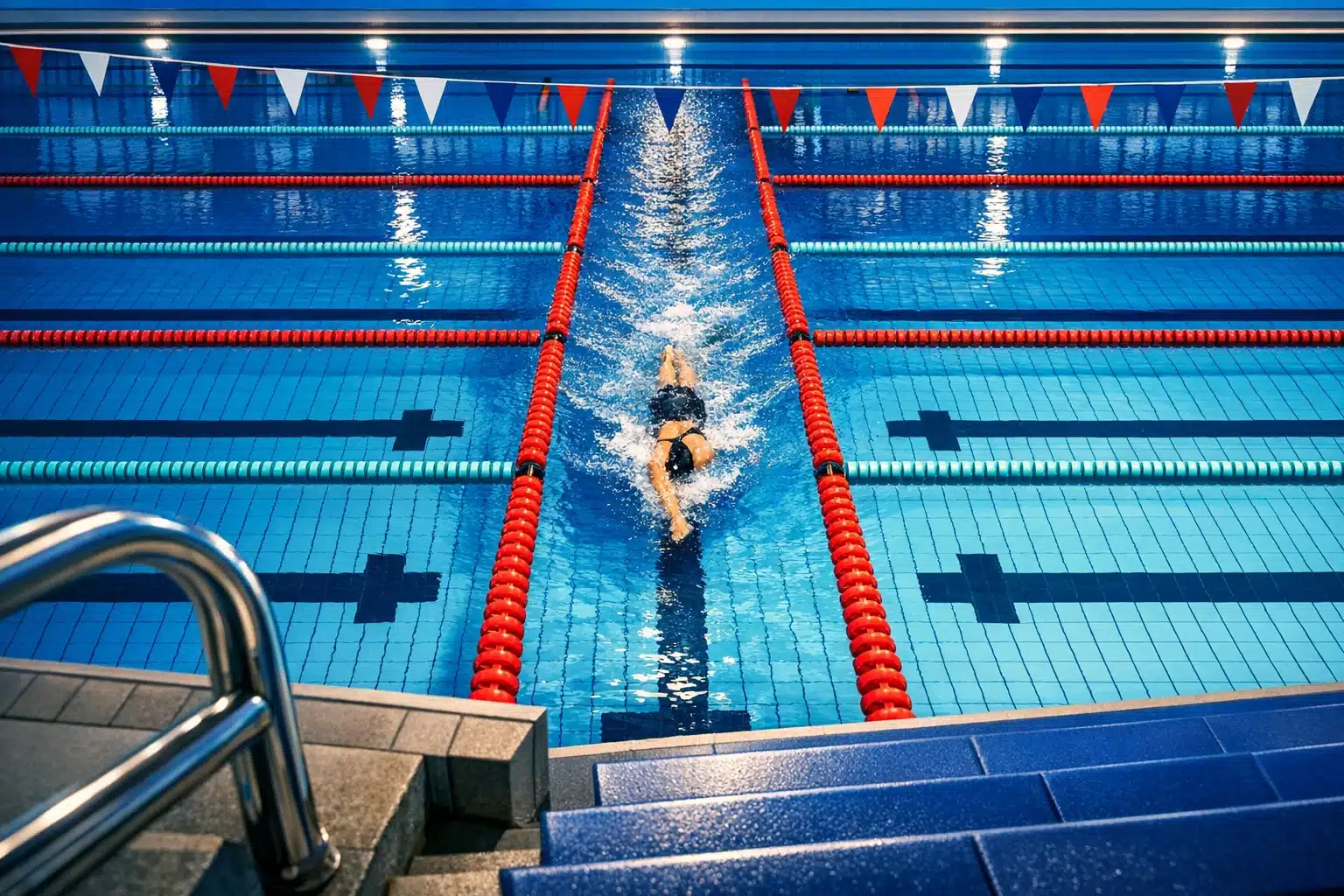
Explore the world of swimming
Swimming is one of those rare activities that feels playful and disciplined at once, welcoming children, cautious beginners, serious athletes, and older adults into the same blue space. It matters because it combines a practical safety skill, a full-body workout, and a competitive sport without the joint strain common in many land-based exercises. Whether you picture a busy public pool or a calm lake at dawn, swimming remains relevant because it builds health, confidence, coordination, and respect for water.
Outline: this article looks at why swimming matters in everyday life, what it does for the body and mind, how the main strokes differ, which gear and safety habits deserve attention, and how beginners can turn short sessions into a lasting routine.
Swimming as a Life Skill, a Sport, and a Form of Recreation
Swimming stands apart from many other activities because it serves several purposes at the same time. For one person, it is a basic safety skill that can prevent panic in the water and reduce drowning risk. For another, it is a calm form of exercise after work. For someone else, it is a high-performance sport shaped by split times, training cycles, and technical precision. Very few activities move so easily between survival, leisure, fitness, rehabilitation, and elite competition.
That broad usefulness helps explain why swimming remains popular across cultures and age groups. In many countries, it regularly ranks among the most widely practiced recreational activities. Public pools, school programs, hotel facilities, beaches, and community centers all make swimming visible in ordinary life. A child might first meet the water through playful lessons, a teenager through school sport, and an adult through lap lanes or aquatic therapy. The setting changes, but the core skill stays meaningful.
One reason swimming has such reach is that it meets people where they are. A confident athlete can push through interval sets and race-pace drills, while a beginner can simply practice floating, breathing, and moving from wall to wall. Water does not ask every swimmer to be fast. It asks for balance, patience, and familiarity. In that sense, the pool can feel democratic: the lane may be divided by speed, but the water itself treats everyone honestly.
Swimming also offers a different emotional texture from many land sports. A pool is one of the few places where hard work can look almost quiet. There is splashing, of course, but there is also rhythm: inhale, turn, glide, kick, repeat. For recreational swimmers, that pattern can be deeply calming. For competitive swimmers, it becomes a language of discipline. Training sessions often involve repeating small movements thousands of times, because a fraction of a second can depend on how neatly a hand enters the water or how efficiently a turn is completed.
The range of swimming experiences includes:
• recreational play and leisure
• structured lessons for safety and skill
• low-impact fitness training
• rehabilitation and gentle movement for some people with mobility limits
• competitive racing in pools and open water
Because it can be serious without losing its sense of freedom, swimming has unusual staying power. People may leave team sports behind as schedules, injuries, or age change their routines, yet they often return to the water. Some come back for fitness, some for recovery, and some because the sound of a pool hall still feels like possibility. That mix of practicality and pleasure is one of swimming’s greatest strengths.
Health Benefits: Why Swimming Works for the Body and the Mind
Swimming is often described as a full-body workout, and that label is well earned. Even a relaxed session asks the arms, shoulders, back, core, hips, and legs to cooperate. Unlike isolated gym exercises that focus on one area at a time, swimming rewards whole-body coordination. Water also creates resistance in every direction, which means the body is constantly working even when the motion appears smooth. In simple terms, the swimmer is not only moving through water; the water is pushing back.
That resistance is paired with buoyancy, and the combination makes swimming especially useful. Water supports the body and reduces impact on joints, which is one reason aquatic exercise is often recommended for people who want a gentler alternative to high-impact training. Immersion up to the neck can dramatically reduce weight-bearing load compared with standing on land. For individuals with sore knees, stiffness, or a return-from-injury phase, that lower-impact environment can make regular movement more realistic.
From a cardiovascular perspective, swimming can be demanding in a productive way. Sustained lap swimming raises heart rate, challenges breathing control, and improves endurance over time when practiced consistently. Calorie use varies by size, stroke, and intensity, but moderate lap swimming may burn several hundred calories per hour, while vigorous sessions can go much higher. Freestyle intervals usually feel different from a slow breaststroke set, yet both can contribute to aerobic fitness when matched to the swimmer’s level.
Mental benefits matter too. The repetitive nature of swimming can create a focused state that many people find settling. There is no phone in the lane, no crowded inbox, and not much room for multitasking when you are trying to time a breath correctly. That temporary narrowing of attention often feels restorative. Some swimmers describe it as active meditation, though not the silent kind: there is always the percussion of bubbles, the slap of a turn, and the low hum of filtered water.
Common health-related advantages of regular swimming include:
• improved cardiovascular endurance
• greater muscular endurance and coordination
• lower-impact movement for joints compared with many running-based routines
• support for mobility and confidence in the water
• stress relief through rhythmic, repetitive exercise
Swimming is not automatically easy, and it is not a miracle cure. Progress still depends on consistency, technique, recovery, and appropriate intensity. Someone swimming with poor breathing habits or rushing every session may feel frustrated rather than refreshed. But when taught well and practiced steadily, swimming offers a rare mix of challenge and protection. It can push the heart and lungs while sparing the ankles and knees, and that trade-off is a big part of its long-term appeal.
Understanding the Strokes: Technique, Efficiency, and the Art of Moving Through Water
If swimming has a secret, it is this: effort alone is not enough. On land, people can sometimes overpower bad form for a while. In water, inefficient movement is exposed almost immediately. A rushed stroke, a dropped elbow, or a poorly timed breath can make a swimmer feel as if they are fighting the pool. Technique does not remove effort, but it makes effort count. That is why beginners and elite swimmers alike spend so much time on drills.
The four competitive strokes each solve the challenge of movement differently. Freestyle, usually swum as front crawl, is the fastest and most commonly used for lap training. It relies on body rotation, alternating arm recovery, and a steady flutter kick. Backstroke flips that pattern onto the back and adds a different orientation challenge, since swimmers must travel straight while facing upward. Breaststroke uses a pull-kick-glide rhythm that is slower but highly technical, with timing playing a major role. Butterfly is the most physically demanding for many swimmers, combining simultaneous arm recovery with a wave-like body action and dolphin kick.
These strokes are not just different in appearance; they distribute effort differently. Freestyle often rewards sustained endurance and clean breathing patterns. Breaststroke can feel more intuitive to some beginners because the face comes out of the water regularly, yet the stroke is harder to master efficiently than it first appears. Backstroke opens the chest and can feel freeing, though line control becomes a skill of its own. Butterfly looks dramatic, but its real lesson is economy: when the timing is off, the stroke becomes brutally expensive.
Several technical themes appear across all strokes:
• body position matters more than beginners expect
• breathing should fit the stroke rather than interrupt it
• a streamlined push-off can save energy every length
• relaxed recovery often leads to better efficiency than tense force
• kicking should support balance and timing, not just create splash
Good technique is built from details. Head position influences hips. Hips influence drag. Drag influences fatigue. That chain is why coaches spend so much time correcting what seem like tiny flaws. A swimmer who lifts the head too high in freestyle may drop the legs and create extra resistance. A breaststroker who rushes the kick may lose the glide that makes the stroke work. In backstroke, an unstable core can turn a straight line into a wandering one.
Learning technique also changes how swimming feels. Early on, many people judge progress by distance alone. Later, they notice subtler gains: fewer strokes per length, smoother turns, more controlled breathing, better pacing. Water rewards refinement. A graceful swimmer is not necessarily the strongest person in the pool; often, they are the one who has learned how to stop wasting motion. In that sense, swimming is both physical training and problem-solving, with each lap asking the same question in a slightly different way: can you move forward with less struggle?
Pools, Open Water, Equipment, and Essential Safety Habits
Where you swim shapes how you swim. A clear indoor pool with lane ropes, wall markings, and lifeguards offers predictability. Distances are measured, temperatures are usually controlled, and technique work is easier because variables are limited. Open water, by contrast, introduces currents, waves, visibility changes, weather shifts, and navigation demands. A lake can feel peaceful from shore and surprisingly disorienting once you are far enough out that the bottom disappears. Both environments are valuable, but they ask for different kinds of awareness.
Pool swimming is usually the best place to build fundamentals. Beginners can stand at the shallow end, use wall support, and practice breathing in a controlled setting. More experienced swimmers can time intervals, track pace, and refine turns. Open water offers a different reward: adaptability. Without lane lines and black lines at the bottom, swimmers must learn sighting, rhythm in uneven conditions, and calm decision-making. Many long-distance swimmers love that unpredictability, but it should be approached with preparation rather than romance.
Equipment can help, though it should support learning instead of replacing it. Basic items include a well-fitting swimsuit, goggles, and sometimes a cap. Training tools such as kickboards, pull buoys, fins, paddles, snorkels, and tempo trainers each have specific uses. A pull buoy reduces leg action so a swimmer can focus on arm mechanics. Fins can help body position and ankle flexibility. Goggles are not just for comfort; clear vision improves orientation and confidence. In open water, a brightly colored cap and tow float can improve visibility.
Useful gear choices often depend on context:
• pool beginners usually need only a suit, goggles, and simple instruction
• lap swimmers may add a cap, kickboard, fins, or pull buoy
• open-water swimmers often use tinted goggles, bright caps, and safety floats
• colder conditions may require a wetsuit, depending on the setting and event rules
Safety deserves more attention than it sometimes gets. The World Health Organization has long reported that drowning causes hundreds of thousands of deaths globally each year, which is one reason learning to swim matters beyond sport. Good habits reduce risk:
• never overestimate your ability
• respect lifeguard directions and local warnings
• avoid swimming alone in open water
• check weather, currents, and entry-exit points
• supervise children closely, even in shallow water
• know that inflatable toys are not substitutes for skill or supervision
There is also a quieter form of safety: knowing when to stop. Cold water, cramps, fatigue, panic, and ego make a dangerous mix. Sensible swimmers turn back before conditions force the decision. The water can be generous, but it is never careless. Confidence in swimming should be built on skill, observation, and restraint, not on the fantasy of being untouchable once you have logged a few strong sessions.
How to Start Swimming and Build a Routine That Lasts
Beginning to swim regularly can feel intimidating, especially for adults who missed formal lessons as children. Many newcomers worry that everyone else in the pool will look polished and fast. In reality, most swimmers are occupied with their own pace, breathing, and sets. The better question is not whether you look experienced, but whether you are building a routine that fits your current level. Swimming becomes sustainable when the first goal is comfort and consistency, not instant performance.
If you are a non-swimmer or an anxious beginner, structured lessons are the smartest starting point. Foundational skills come before fitness: floating, exhaling into water, recovering balance, and moving a short distance without panic. Once those basics feel manageable, endurance can grow naturally. For people who already know how to stay afloat, the next step is usually simple lap structure. Short repeats with rest are often more effective than forcing one long, exhausting effort. Ten lengths done with control can teach more than thirty done in survival mode.
A beginner-friendly weekly routine might look like this:
• Session 1: easy laps with rest, focusing on breathing and relaxed body position
• Session 2: technique drills plus short swims
• Session 3: slightly longer repeats at a steady, comfortable pace
This kind of schedule builds familiarity without turning every visit into a test. As confidence improves, swimmers can add distance, speed variation, or different strokes.
Tracking progress helps, but the right metric depends on your goal. Competitive swimmers may care about times, stroke counts, and split consistency. Fitness swimmers might watch total minutes, heart-rate response, or how quickly breathing settles after a set. Beginners often notice progress in more human terms: less fear in deeper water, smoother breaths, fewer pauses at the wall, or the first time a length feels calm rather than chaotic. Those signs matter. They are evidence that skill is taking root.
Routine lasts longer when it stays interesting. Variety can come from changing strokes, trying drills, swimming with a partner, or alternating between technique days and endurance days. Some people enjoy masters groups for structure and community. Others prefer solitary morning lanes where the pool is still half asleep. There is no single correct swimming identity. The key is finding the version that makes return visits likely.
Long-term swimmers usually learn one final lesson: progress in the water is rarely linear. Some weeks feel smooth and strong; others feel heavy for no obvious reason. That is normal. Water reflects fatigue, stress, and inconsistency with unusual honesty. Yet it also rewards patience. A person who shows up, listens, adjusts, and practices well can improve at almost any age. Swimming does not demand perfection. It asks for respect, repetition, and the willingness to keep learning one length at a time.
Conclusion for New Swimmers, Fitness Seekers, and Curious Readers
Swimming deserves its enduring reputation because it brings together safety, exercise, technical learning, and genuine enjoyment in a single activity. If you are new to it, start with instruction and manageable goals rather than distance for its own sake. If you already swim, refining technique and respecting safety can make each session more effective and more satisfying. The water has room for many kinds of people, from hesitant beginners to dedicated competitors, and each can find a useful challenge there. The best next step is simple: get in, learn steadily, and let skill grow at the pace your body and confidence can support.