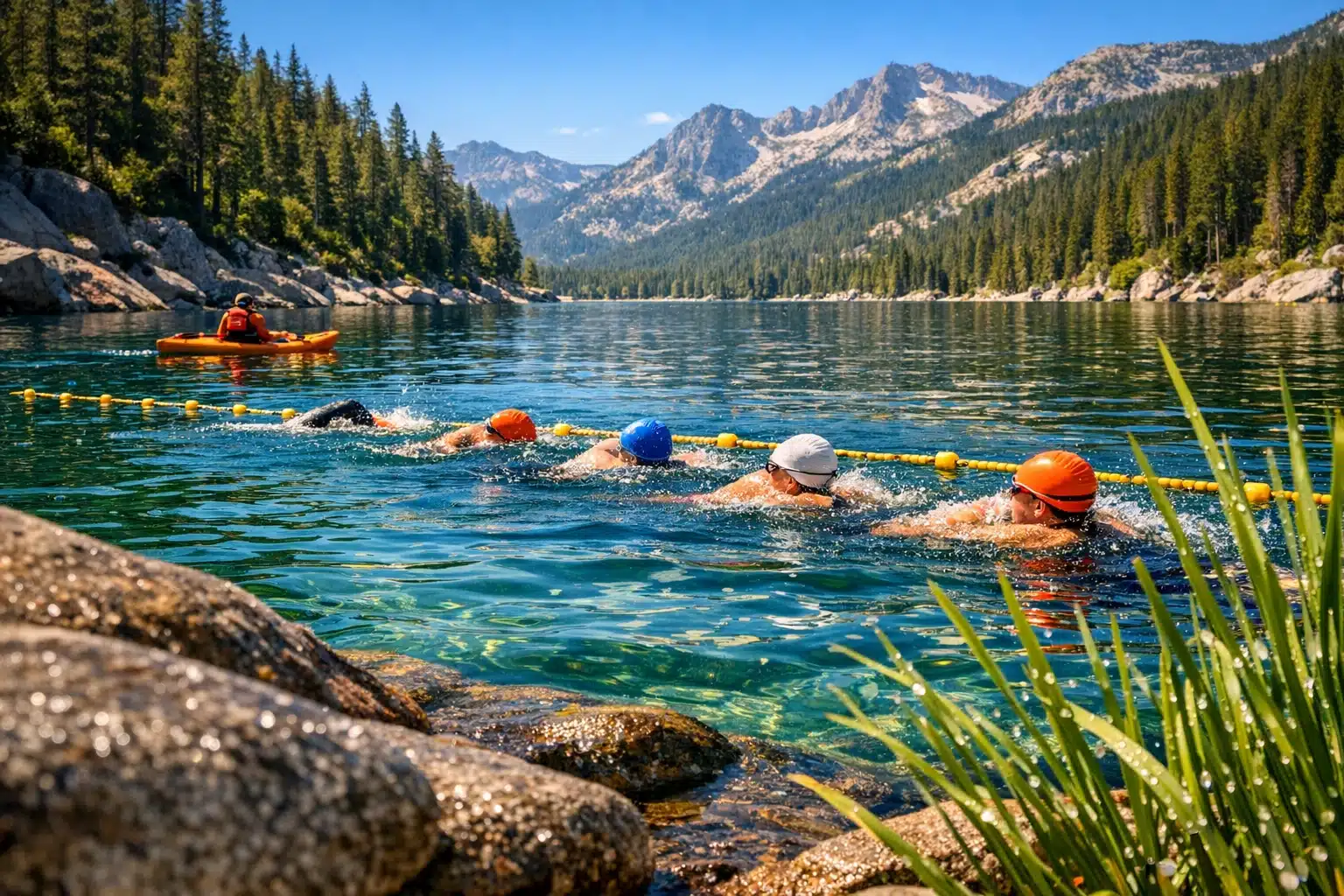
Explore the world of swimming
Swimming sits at the crossroads of sport, survival, and simple pleasure, which is why it remains one of the most valuable physical skills a person can build. It strengthens the heart and lungs without the repeated impact common in many land workouts, adds a practical layer of safety around water, and creates room for recreation, competition, and recovery. This article starts with a clear outline, then moves through technique, benefits, training, safety, and the enduring appeal of life in the water.
Outline
• The foundations of swimming, including buoyancy, breathing, stroke basics, and the environments where people learn and practice.
• The health and fitness value of time in the pool, with comparisons to other forms of exercise and examples of who benefits most.
• Practical guidance on technique, training structure, and how swimmers improve from short, awkward lengths to smooth, efficient sessions.
• Safety principles for pools, lakes, rivers, and the sea, along with habits that reduce risk and build confidence.
• The wider culture of swimming, from recreation and competition to lifelong participation for beginners, athletes, families, and older adults.
The Foundations of Swimming: Movement, Breath, and the Nature of Water
Swimming looks graceful when performed well, yet its elegance is built on a negotiation with an environment that behaves nothing like land. Water supports the body through buoyancy, but it also resists every rushed or poorly aligned motion. Because water is roughly 800 times denser than air, a small change in head position, hand entry, or timing can noticeably affect speed and effort. That is one reason beginners often feel tired after a short distance while experienced swimmers seem to slide forward with a calm rhythm. The difference is not always brute strength. More often, it is balance, breath control, and an understanding of how to reduce drag.
Body position is the first big lesson. A swimmer who keeps the hips near the surface usually moves more efficiently than one whose legs sink and act like an anchor. Breathing is the next hurdle, and it is more technical than many newcomers expect. On land, breathing is automatic and forgiving. In the pool, inhalation must be quick, exhalation must be controlled, and panic must be replaced by pattern. Water is honest in that way: it amplifies tension, exposes poor timing, and rewards composure. Once a swimmer learns to exhale steadily into the water and rotate or lift just enough to inhale, the sport becomes less of a struggle and more of a conversation.
The four competitive strokes each present a distinct set of demands. Front crawl, often called freestyle, is usually the fastest and most commonly taught for fitness. Backstroke offers a different breathing experience because the face stays above the surface, though body alignment remains crucial. Breaststroke uses a wider kick and a visible glide, making it popular with recreational swimmers, but efficient timing takes patience. Butterfly is powerful and beautiful, though it demands more coordination and conditioning than the other three. Across all of them, several basics matter again and again:
• Streamline reduces resistance and makes every push more productive.
• Relaxed, continuous exhalation helps prevent breath-holding and fatigue.
• Kicks should support body position rather than thrash without purpose.
• Arm movements work best when matched with timing instead of isolated effort.
Swimming also changes depending on setting. A heated lane pool is controlled, marked, and predictable. A lake or ocean introduces chop, current, temperature shifts, and sighting challenges. Even so, the central principles remain familiar: stay balanced, breathe with intention, and let technique do part of the work. Once those pieces begin to fit, the water stops feeling like an obstacle and starts feeling like a medium that can carry, challenge, and teach.
Why Swimming Matters for Health and Fitness
One reason swimming has broad appeal is that it serves several goals at once. It can be a vigorous athletic workout, a low-impact conditioning option, a rehabilitation tool, or a gentle recreational habit that helps people stay active across decades. Public health guidance from organizations such as the World Health Organization recommends adults get regular moderate or vigorous physical activity each week, and swimming can help meet that target while offering a sensory experience very different from gym-based routines. For people who dislike repetitive treadmill sessions or high-impact classes, the pool often feels less punishing and more varied.
Cardiovascular benefit is one of the clearest advantages. Sustained lap swimming challenges the heart and lungs, especially when sets are structured with intervals and pace changes. At the same time, water supports body weight, which can make the activity easier on knees, hips, and ankles than running on hard surfaces. That does not make swimming effortless. Resistance comes from every direction, so the muscles of the shoulders, back, chest, core, and legs all contribute. Instead of impact loading, the body deals with constant fluid resistance. The result is a form of conditioning that can build endurance and muscular stamina at the same time.
Mental effects matter too, and regular swimmers often talk about them before they mention lap counts. The repetitive sound of breathing, the visual simplicity of the lane, and the natural separation from phones and noise can turn a session into a kind of moving reset. Some people leave the water energized; others come out quieter and more settled. Research on exercise and mood consistently shows that physical activity can support stress management and emotional well-being, and swimming fits that pattern while adding a calming environment many people find unusually restorative.
Compared with cycling, swimming demands stronger breath timing and more technical learning early on. Compared with running, it usually offers less impact stress but can be harder to access because it requires a safe facility and, ideally, instruction. For older adults, people returning from injury, and individuals carrying more body weight, the water can make exercise feel more possible. That accessibility, however, depends on confidence and competent supervision. Benefits are real, yet they grow faster when the basics are taught well.
Its value can be summed up in a few practical strengths:
• It develops endurance without repeated pounding on joints.
• It uses large muscle groups together rather than isolating a single area.
• It can be adjusted for beginners, competitors, and people rebuilding fitness.
• It supports mood, focus, and routine in addition to physical conditioning.
In a health landscape crowded with trends, swimming stands out by being both timeless and adaptable. It does not ask everyone to train the same way. It simply offers a demanding, forgiving, and deeply useful place to move.
Technique, Training, and the Path from Beginner to Efficient Swimmer
Improvement in swimming rarely comes from trying harder in a vague sense. More often, progress arrives when effort becomes organized. A novice may attack the water with energy and still stall after two lengths because the breathing pattern is broken, the kick is oversized, or the hands are slipping rather than holding water. An experienced swimmer, by contrast, often looks economical. That economy is trained. It comes from drills, feedback, repetition, and a willingness to slow down long enough to understand what the body is doing.
The first stage of training usually centers on comfort and control. New swimmers benefit from learning how to float, kick with a relaxed ankle, push off the wall in a straight line, and exhale underwater without rushing. From there, stroke pieces can be introduced in manageable parts. For front crawl, that might mean practicing side breathing with a kickboard, then linking one-arm pulls, then swimming short distances with a focus on a stable head position. For breaststroke, timing matters more than speed, so a patient sequence of pull, breath, kick, and glide often helps. Backstroke asks for trust in the water and awareness of where the body sits on the surface. Butterfly is usually taught later because rhythm, shoulder mobility, and core coordination all need to work together.
Structured sessions help convert skills into fitness. Instead of swimming until fatigue takes over, many coaches divide a workout into phases:
• Warm-up to raise body temperature and loosen movement patterns.
• Drill set to sharpen one technical focus, such as catch position or rotation.
• Main set to build endurance, pace awareness, or speed.
• Cool-down to restore easier breathing and reduce abrupt stopping.
Even a simple plan can make a noticeable difference. For example, a beginner might do short repeats with generous rest, while an intermediate swimmer may use timed intervals to challenge consistency. Tools can assist when used thoughtfully. Kickboards isolate leg work, pull buoys reduce kicking so the swimmer can focus on arm mechanics, fins can help body position and rhythm, and pace clocks encourage objective training. Wearable watches now track distance and stroke count, but no device replaces solid technique. If the movement pattern is flawed, technology will simply measure a flawed pattern more accurately.
Video feedback has become especially useful because swimming is hard to self-assess in real time. On deck, a stroke can feel smooth while underwater it may reveal crossed arms, a dropped elbow, or legs that scissor apart. A good instructor or coach shortens the learning curve by translating those invisible errors into clear corrections. The best advice is usually simple rather than dramatic: look down, lengthen the line, finish the exhale, soften the kick, rotate from the hips. Piece by piece, awkward lengths become connected laps, and connected laps become a practice the swimmer can actually enjoy sustaining.
Safety, Water Competency, and the Difference Between Confidence and Risk
Swimming has a practical seriousness that sets it apart from many recreational sports: competence in the water can save lives. Enjoyment and safety are not opposing ideas here; they are partners. A person who understands their limits, knows how to float and tread water, recognizes environmental hazards, and chooses supervised settings is far more likely to have a good experience than someone whose confidence runs ahead of skill. This distinction matters because familiarity with pools or beach holidays can create a false sense of security. Water does not care whether someone feels brave.
At the most basic level, water competency includes several abilities: entering the water safely, resurfacing and orienting oneself, floating or treading water, moving a short distance, and exiting with control. Formal swim lessons remain one of the strongest ways to build these skills, especially for children, but adults benefit just as much when they return to learn with intention. Many people missed structured instruction earlier in life and carry quiet anxiety around deep water. Good teaching can replace that anxiety with reliable habits rather than empty reassurance.
Pool safety may seem straightforward, yet it still requires attention. Depth changes, slippery decks, overestimation of ability, and distractions around children can all create danger. Open water adds another level of complexity: currents, waves, cold temperatures, reduced visibility, and the simple absence of lane lines can unsettle even strong pool swimmers. Someone who easily swims steady laps indoors may struggle in the sea because sighting, navigation, and conditions change constantly. That is why experienced open-water athletes emphasize preparation instead of improvisation.
Several habits meaningfully reduce risk:
• Swim in lifeguarded areas whenever possible.
• Avoid swimming alone, especially in unfamiliar settings.
• Learn local conditions, including currents, tides, and water temperature.
• Use bright caps or visible gear in open water so others can spot you.
• Respect fatigue, cramps, and sudden weather changes instead of trying to outlast them.
Parents and guardians should treat layers of supervision as essential, not optional. Fences, attentive adults, swim lessons, and clear household rules all matter. For adults training on their own, the key is humility. There is no medal for ignoring warning signs. A smart swimmer distinguishes between growth and recklessness. Growth means practicing skills progressively, choosing appropriate environments, and preparing for the unexpected. Recklessness means assuming that a few strong lengths in a pool automatically translate to safety everywhere else.
When safety is framed positively, it does not diminish the joy of swimming. It expands it. Confidence that is earned through skill feels steadier than confidence built on guesswork, and steadier confidence is what allows the water to become a place of freedom rather than avoidable danger.
Conclusion: The Lifelong Appeal of Swimming for Fitness, Confidence, and Joy
Swimming has lasted as both a practical skill and a beloved pursuit because it meets people at many stages of life. A child may first encounter it through play, a teenager through lessons or competition, an adult through fitness goals, and an older person through the search for movement that feels sustainable. The same pool can hold a serious racer counting splits, a parent helping a nervous beginner, a rehabilitation patient rebuilding mobility, and a retiree enjoying calm morning lengths. Few activities accommodate that range so naturally.
The culture around swimming reflects this breadth. Competitive traditions are well known, from Olympic races to school meets and masters programs for adults, yet the sport is not defined only by medals. There is also the quiet culture of public pools opening at dawn, community centers teaching first strokes, triathletes squeezing in technique work before work, and open-water groups watching sunrise from a shoreline. In those settings, swimming becomes more than exercise. It becomes routine, identity, and, for many, a dependable source of perspective. The water strips away some of the clutter of daily life. You breathe, you move, you listen, and the lane gives immediate feedback.
For readers wondering where to begin, the best starting point is rarely dramatic. It is usually one lesson, one supervised visit, or one short session designed around comfort rather than ego. For people already active in other sports, swimming can add aerobic variety and recovery-friendly conditioning. For those returning after years away, it offers a chance to rebuild capacity without the harshness of repeated impact. For parents, it is an investment in safety and confidence. For older adults, it can remain physically meaningful long after other forms of training become less appealing.
If there is a simple message for the target audience, it is this:
• Beginners should focus on trust, breath, and instruction before worrying about speed.
• Fitness seekers should treat technique as a force multiplier, not a minor detail.
• Families should view swim education as a core life skill.
• Lifelong movers can use the pool as a place to stay capable, curious, and engaged.
Swimming does not promise instant mastery, and that is part of its charm. It keeps offering new layers: smoother breathing, cleaner turns, longer endurance, better awareness, deeper calm. Whether approached as a sport, a health habit, or a doorway to safer recreation, it rewards patience with progress and effort with an unusually satisfying kind of freedom. Step into the water with respect, learn its logic, and it can become one of the most enduring companions in an active life.