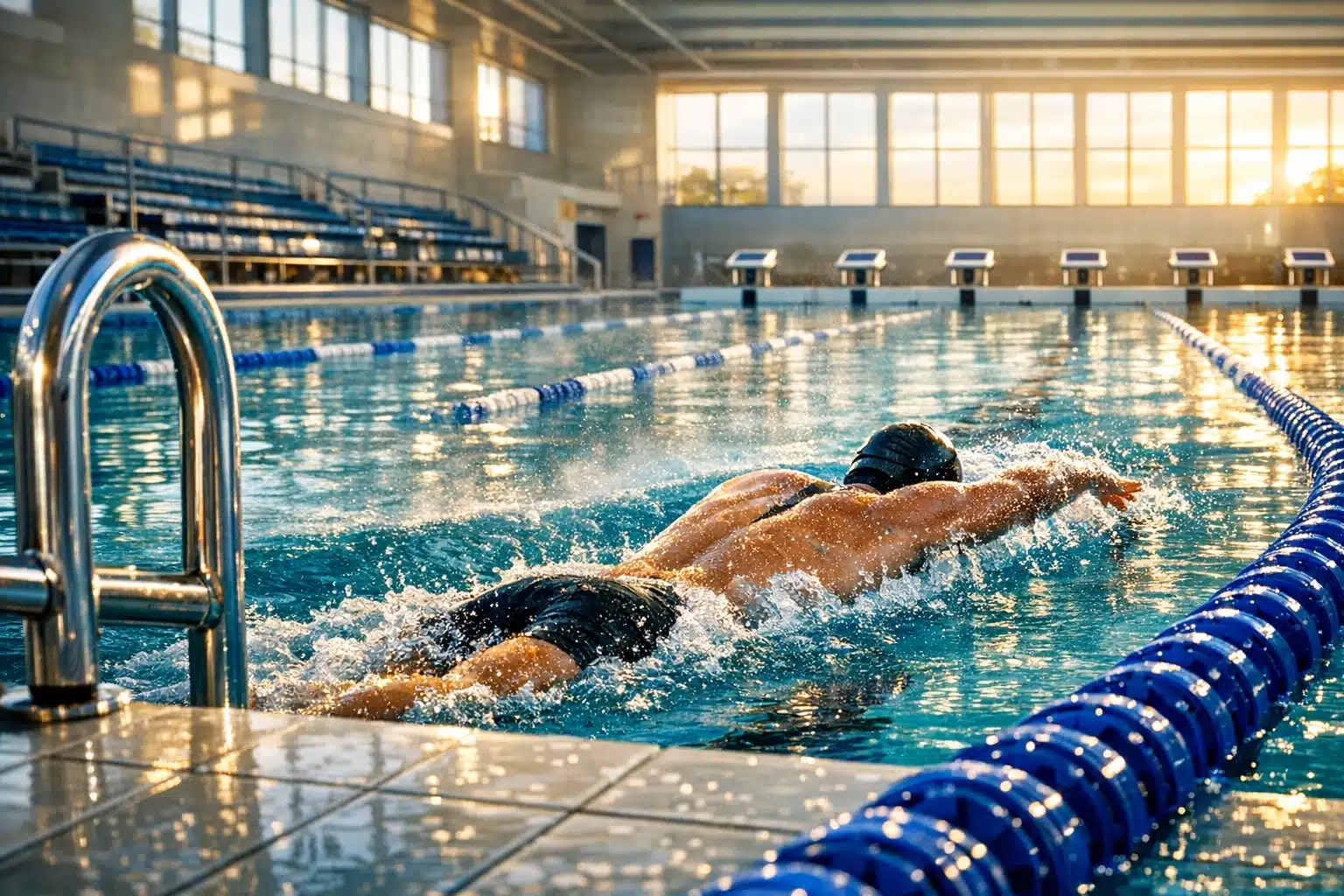
Explore the world of swimming
Swimming is one of the rare activities that can feel calming, playful, and demanding within the same hour. It matters because it improves cardiovascular fitness, coordination, and water confidence while placing far less impact on the joints than many land-based workouts. Children learn safety through it, adults use it for exercise or recovery, and athletes turn it into a precise competitive craft. This article explores how swimming works, why technique matters, and what smart practice looks like in real life. Whether you are stepping into a pool for the first time or returning after years away, the next sections offer a clear path forward.
Outline:
• Why swimming remains relevant for health, safety, and recreation
• How the main strokes differ and what makes movement efficient
• What physical and mental benefits regular practice can support
• How to train safely, structure sessions, and choose practical equipment
• Which approaches suit beginners, families, fitness swimmers, and competitors
Why Swimming Matters: More Than a Sport, Less Than a Limit
Swimming occupies a rare place in modern life because it is both a life skill and a form of exercise. Many sports can improve fitness, but not all of them can also help someone move safely through water in a pool, lake, or coastal setting. That dual importance gives swimming a wider relevance than people sometimes realize. In schools, community centers, holiday resorts, rehabilitation clinics, and Olympic arenas, the same basic ability to float, breathe, and move through water opens different doors for different people.
Part of swimming’s appeal comes from the environment itself. Water changes the body’s relationship with effort. Because it supports body weight through buoyancy, it can feel gentler than running or court sports for people with sore joints or those returning to exercise after a long break. At the same time, water creates constant resistance in every direction, which means even simple movements can become a serious workout. That balance is one reason swimmers often leave the pool feeling worked over yet oddly refreshed, as if the body has been challenged while the mind has been rinsed clean.
Swimming also matters from a public safety perspective. Learning to swim is not just about doing neat laps with tidy turns. It includes floating, treading water, controlling panic, and understanding how breathing changes under stress. Those skills can make recreational time near water far safer. For families, this point is especially important. Confidence in water should never be confused with carelessness, but genuine competence can reduce fear and support better decisions.
Its social range is another strength. Swimming can be:
• a child’s first structured sport
• a low-impact exercise option for older adults
• a conditioning tool for team-sport athletes
• a rehabilitation activity under professional guidance
• a lifelong hobby that does not require a competitive mindset
Historically, swimming has shifted from survival skill to sport to wellness practice, yet it still keeps all three identities. Competitive swimming highlights speed, precision, and discipline, while recreational swimming offers freedom and enjoyment. Lane by lane, it can be solitary or social, methodical or playful. That flexibility explains why swimming remains relevant in a crowded fitness world. Few activities meet so many needs at once, and fewer still can be started so modestly: one pool, one lesson, one length at a time.
Understanding the Strokes: Technique, Efficiency, and the Craft of Movement
To an untrained eye, swimming can look deceptively simple: arms pull, legs kick, body moves forward. In reality, good swimming is a technical craft built on body position, timing, breathing, and efficiency. The four main competitive strokes are freestyle, backstroke, breaststroke, and butterfly, and each asks the body to solve movement in a different way. Learning their differences helps swimmers choose the stroke that fits their goals and appreciate why technique often matters more than brute effort.
Freestyle, usually performed as front crawl, is generally the fastest and most widely used stroke. A swimmer stays mostly horizontal, rotating slightly from side to side while alternating arm pulls and a flutter kick. Efficient freestyle depends on a long body line, a relaxed recovery above the water, and controlled breathing that does not lift the head too high. When beginners struggle, the problem is often drag rather than weakness. Hips sink, the head rises, and the water suddenly feels heavier than it should.
Backstroke shares the alternating rhythm of freestyle, but on the back. That changes orientation, breathing comfort, and body awareness. Many swimmers find backstroke easier for breathing because the face stays above water, yet it requires trust in body alignment. Without good posture and a steady kick, the stroke can become wobbly and slow. Breaststroke uses a very different pattern: simultaneous arm movement, a whip-like kick, and a brief glide phase. It is popular with recreational swimmers because it allows clear forward vision and a varied rhythm, but technically sound breaststroke can be demanding on timing.
Butterfly is often seen as the most dramatic stroke. Both arms recover together, the body undulates, and the kick comes from a dolphin-like motion. Done well, it looks almost theatrical, as if the swimmer is negotiating with gravity and winning for a second at a time. Done poorly, it becomes exhausting quickly. Butterfly teaches an important lesson about swimming: force without rhythm wastes energy.
Across all strokes, several principles stay constant:
• streamline reduces drag
• breathing must fit the stroke rather than interrupt it
• kicks support balance as much as propulsion
• relaxed efficiency usually beats frantic effort
That is why drills matter. Coaches often use simple exercises such as kick sets, single-arm work, sculling, or catch-up drills to isolate one part of the stroke. These details may seem small, but swimming rewards small improvements. A slightly better hand entry, a calmer exhale, or a more stable core can transform a whole length. In the pool, progress is often measured not in dramatic breakthroughs but in quieter water and smoother motion.
Health, Fitness, and Well-Being: What Swimming Can Really Do
Swimming is often recommended because it combines aerobic exercise with full-body engagement, and that combination makes it valuable for a wide range of people. Major health guidelines commonly advise adults to get at least 150 minutes of moderate aerobic activity each week, and swimming can contribute meaningfully to that target. Depending on pace and stroke, it can raise heart rate, challenge the lungs, and build muscular endurance without the repetitive impact associated with many land-based workouts.
One reason swimming feels different from a treadmill session is the physical nature of water itself. Water is roughly 800 times denser than air, so every pull, kick, and body adjustment meets resistance. That does not automatically make swimming harder in every sense, but it does make the workout more evenly distributed across the body. Shoulders, back, core, hips, and legs all participate. Even maintaining alignment requires effort. As a result, swimming can improve coordination and muscular balance alongside cardiovascular conditioning.
For some people, the low-impact quality is the main attraction. Adults with joint sensitivity, people carrying extra weight, and those easing back into exercise often find the pool more approachable than pounding pavement. This does not mean swimming is effortless or suitable for every condition without guidance, but it can be a practical option when impact needs to be reduced. Water-based exercise is also commonly included in rehabilitation settings under professional supervision because buoyancy helps unload the body while still allowing movement.
The mental side deserves equal attention. Many swimmers describe the experience as meditative. The repetitive sound of bubbles, the regular pattern of breathing, and the narrow focus on the next wall can quiet mental clutter. A structured swim session can provide a break from constant notifications and fragmented attention. Recreational swimmers often report a calmer mood afterward, while competitive swimmers may value the discipline and routine the sport provides.
Regular swimming may help support:
• heart and lung fitness
• muscular endurance and mobility
• posture and body awareness
• stress management through rhythmic movement
• exercise consistency for people who dislike high-impact training
Still, the benefits depend on method. A few casual lengths once a month will not produce the same effects as consistent, well-paced practice. Intensity, frequency, technique, and recovery all matter. The strongest argument for swimming is not that it performs miracles. It is that it offers a sustainable way to build fitness, especially for people who want exercise that feels useful, skill-based, and mentally refreshing rather than purely punishing.
Training Smart: Safety, Session Structure, and Useful Equipment
Swimming rewards consistency, but it punishes carelessness. Because the setting is water rather than solid ground, training smart begins with safety before performance. Every swimmer, especially beginners, benefits from learning the basics in a supervised environment. That means understanding lane etiquette, knowing personal limits, warming up gradually, and recognizing how quickly fatigue can change a pleasant session into a risky one. Confidence is helpful in the pool; overconfidence is not.
A sensible swim session usually has three parts: warm-up, main set, and cool-down. The warm-up prepares the shoulders, breathing rhythm, and body position. It might include easy laps, kick work, or simple drills. The main set targets a goal such as endurance, speed, technique, or recovery. For example, a fitness swimmer might do repeated 100-meter intervals with short rest, while a beginner may alternate one length of steady swimming with one length of gentle recovery. The cool-down helps settle breathing and reduce the abrupt stop that can leave a swimmer feeling drained.
Progress in swimming often comes from structure rather than heroic effort. A beginner who trains twice a week with intention can improve more steadily than someone who attacks the water randomly once in a while. A practical routine could include:
• one technique-focused session
• one endurance session at an easy to moderate pace
• short drill segments to refine balance and breathing
• rest periods that are planned rather than guessed
Equipment can help, but only when used for a clear purpose. Goggles improve visibility and comfort. A well-fitted swimsuit reduces distraction. Swim caps keep hair managed and can reduce drag slightly. Kickboards isolate leg work, pull buoys help focus on the upper body, and fins can highlight body position or add propulsion during drills. None of these items replaces technique. They are tools, not shortcuts.
Safety extends beyond the lane line. Open-water swimming introduces currents, temperature changes, visibility issues, and navigation demands that pools do not present. Anyone entering lakes, rivers, or the sea should treat those conditions with respect, swim with others when possible, and use appropriate safety gear such as a brightly colored tow float when suitable. Even experienced pool swimmers can be humbled outdoors.
The smartest approach is patient and observant. Listen to the body, especially the shoulders, neck, and lower back. Stop if form collapses badly. Ask for coaching when progress stalls. In swimming, improvement rarely comes from thrashing harder. It comes from practicing better, noticing more, and leaving the pool with enough energy to return and build again.
Conclusion: Finding Your Own Place in the Water
Swimming does not ask everyone to want the same thing, and that is part of its enduring value. For a beginner, success may mean learning to float without panic, completing a first uninterrupted length, or simply feeling less tense in deep water. For a parent, it may mean giving a child a safer relationship with pools, beaches, and holidays near the water. For a fitness-minded adult, it can be a reliable way to build stamina and protect joints. For a competitive athlete, the pool becomes a laboratory where tenths of a second are earned through discipline and detail.
This wide usefulness makes swimming especially appealing to readers who want exercise with depth rather than novelty. It is not only about burning calories or collecting workouts. It teaches pacing, body awareness, patience, and respect for conditions that cannot be negotiated by force alone. Water has a way of exposing inefficiency quickly. If your breathing is rushed, the stroke tells on you. If your timing is off, the drag answers back. That honesty is frustrating at first, then strangely addictive.
If you are wondering how to begin, the answer is usually simpler than expected. Start where control is possible. Choose a supervised pool. Take a lesson if breathing or confidence feels uncertain. Keep early sessions short enough that you finish encouraged rather than defeated. Focus on one improvement at a time, such as exhaling underwater, relaxing the neck, or holding a longer body line. Small gains stack up.
A useful path forward might look like this:
• learn basic water safety before chasing speed
• build comfort first, then distance
• treat technique as part of fitness, not a separate concern
• compare yourself to your last session, not the fastest swimmer in the lane
• keep the process enjoyable enough to sustain
For the target audience of curious beginners, returning adults, active families, and recreational fitness swimmers, the central message is clear: swimming is accessible, practical, and worth learning well. It offers challenge without constant impact, skill without needless complexity, and progress that can stay with you for life. Step in patiently, listen to the water, and let ability grow one length at a time. That is where the world of swimming truly begins.