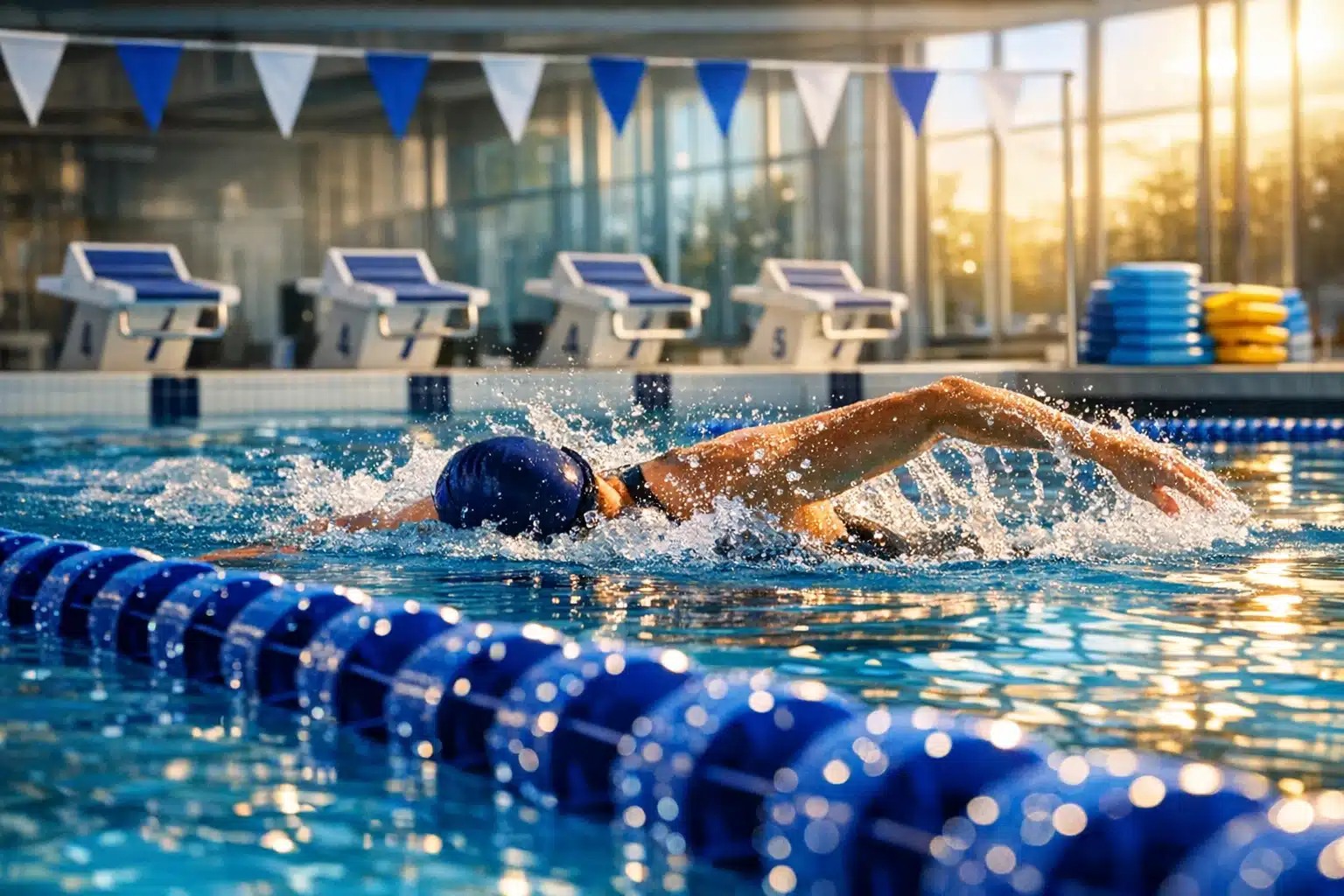
Explore the world of swimming
Swimming is one of those rare activities that can feel playful, calming, and demanding at the same time. It matters because it serves beginners looking for gentle movement, athletes chasing performance, and families seeking a practical life skill. From neighborhood pools to open lakes and Olympic lanes, swimming connects fitness, safety, recreation, and confidence. This article explores how the sport works, why it benefits the body and mind, and how different people can enjoy it for years.
Article Outline
- The meaning and broad appeal of swimming in everyday life and sport
- The four main strokes and the technical foundations behind efficient movement
- The physical, mental, and long-term wellness benefits of regular time in the water
- Essential equipment, practical training habits, and key safety principles
- How recreational swimmers, competitors, and returning adults can find the right path forward
Why Swimming Continues to Matter Across Ages and Lifestyles
Swimming has a special place in human life because it is both a sport and a survival skill. Many activities offer fitness, and many hobbies offer joy, but swimming sits at the intersection of health, confidence, discipline, and safety. A child who learns to float gains more than a new pastime. An adult who returns to the pool after years away often rediscovers movement without the jarring impact that can come with running or court sports. For older adults, the water can become a welcoming environment where exercise feels possible again.
Part of swimming’s lasting relevance comes from the nature of water itself. Water supports body weight through buoyancy while also creating resistance in every direction. Because of that combination, swimming can challenge the heart and muscles without asking the joints to absorb repeated impact. Water is also far denser than air, which means even small movements require effort. A slow lap may look graceful from the deck, yet below the surface the body is constantly working to stay aligned, propel forward, and manage breathing.
Swimming also adapts well to different goals. Some people use it for competition, chasing split times down a 50 meter pool. Others see it as recovery after injury, cross training for another sport, or a chance to decompress after a long day. Its versatility explains why the same facility can serve toddlers in lessons, teenagers in team practice, triathletes building endurance, and retirees swimming easy lengths at dawn.
There is also a subtle emotional pull to swimming. Pools have their own soundtrack: the splash at the wall, the hush between strokes, the whistle of a coach, the brief quiet beneath the surface. For some, that rhythm feels meditative. For others, it feels like structured effort with a clear purpose. In either case, swimming rewards patience. Progress does not arrive in one dramatic leap. It appears lap by lap, breath by breath, until the water that once felt foreign begins to feel familiar.
That is why swimming matters far beyond medals or recreation. It teaches body awareness, respect for environment, steady improvement, and practical confidence. In a world full of rushed routines, it offers a space where technique, endurance, and calm attention work together.
The Four Main Strokes and the Mechanics Behind Good Technique
To understand swimming, it helps to start with its four competitive strokes: freestyle, backstroke, breaststroke, and butterfly. Each has a different rhythm, energy cost, and technical demand. Freestyle, often performed as front crawl, is usually the fastest and most efficient over distance. It relies on a streamlined body line, alternating arm recovery, a flutter kick, and timed breathing to the side. When done well, freestyle looks almost simple, but that simplicity is deceptive. Small errors in head position, kick timing, or hand entry can waste energy quickly.
Backstroke shares several mechanical ideas with freestyle, but the swimmer stays face up. That change alters orientation, balance, and breathing. Because the face remains above water, breathing is less restricted, which many beginners find reassuring. At the same time, swimming on the back demands strong spatial awareness because the swimmer cannot see the approaching wall directly. Body rotation remains important, and efficient backstroke depends on long lines through the hips and shoulders rather than frantic arm turnover.
Breaststroke is often the first stroke many casual swimmers recognize, yet it is one of the most technical. The stroke includes a pull, a breath, a kick, and a glide, all arranged in careful sequence. Timing is everything. If the kick starts too early or the glide disappears, the swimmer loses momentum. Breaststroke is usually slower than freestyle, but it can be comfortable for recreational swimmers because the head rises regularly and the pace feels more deliberate.
Butterfly is the most dramatic of the four. It combines a simultaneous arm action with a dolphin kick driven from the core and hips. Butterfly requires coordination, upper body strength, and excellent timing. It is physically demanding, which is why it often appears intimidating. Yet when skilled swimmers perform it, butterfly has a wave-like quality that feels almost cinematic, as if force and elegance reached an agreement.
Regardless of stroke, a few technical principles matter in every lane:
- Maintain a balanced body position to reduce drag.
- Exhale steadily in the water instead of holding tension in the lungs.
- Use the core to connect upper and lower body movement.
- Prioritize efficiency before speed.
- Practice turns and push-offs, because walls are part of pool swimming, not interruptions to it.
Comparing the strokes reveals why swimming suits such a wide range of personalities and goals. Freestyle rewards efficiency, backstroke encourages alignment, breaststroke highlights timing, and butterfly celebrates power married to rhythm. A swimmer does not simply learn how to move through water. Over time, the swimmer learns how water responds to posture, pressure, and patience.
Health, Fitness, and Mental Benefits That Make Swimming Stand Out
Swimming offers a broad set of benefits because it combines aerobic training, muscular work, breathing control, and coordination in one activity. When people describe it as a full body exercise, that is not just a catchy phrase. The arms pull, the legs drive, the core stabilizes, and the cardiovascular system works continuously to supply oxygen. Because water provides resistance in every direction, the body does not simply move forward. It works against the environment with each stroke.
One reason swimming is often recommended for a wide range of people is its low impact nature. For individuals with joint discomfort, extra body weight, or a history of overuse injuries, the pool can be more manageable than pavement or gym floors. That does not mean swimming is easy. It simply means the challenge arrives in a different form. Instead of repetitive pounding, swimmers meet resistance, breath timing, and sustained effort. Depending on pace, stroke choice, and body size, an hour of swimming can use a substantial amount of energy, often in the range commonly associated with vigorous exercise.
Swimming also aligns well with public health advice. Organizations such as the World Health Organization recommend that adults accumulate regular moderate or vigorous physical activity across the week. Swimming can fit either category. An easy continuous session may serve as moderate exercise, while interval training, butterfly repeats, or fast freestyle sets can become clearly vigorous work. This flexibility helps swimmers tailor sessions to current fitness levels rather than forcing everyone into the same pattern.
The mental side deserves equal attention. Many swimmers describe the pool as a reset button. The repetitive rhythm of strokes, the pressure of water, and the temporary distance from phones and noise can create a focused state that feels restorative. It is not magic, and it does not replace professional care when mental health support is needed, but regular exercise including swimming is often associated with improved mood, lower stress, and better sleep.
There are practical long-term advantages as well:
- It can support cardiovascular endurance.
- It may improve posture and body awareness through controlled movement.
- It strengthens breath management, especially when technique improves.
- It works for solo training, coached practice, or family recreation.
Perhaps the biggest benefit is sustainability. Many sports become difficult to maintain as schedules tighten or joints complain. Swimming often remains available across decades of life. That staying power turns it from a temporary fitness phase into a habit with lasting value.
Equipment, Training Habits, and Safety Skills Every Swimmer Should Know
Swimming does not require a mountain of equipment, but the right basics can make practice more comfortable and productive. For most people, the essential starting kit is simple: a well-fitting swimsuit, goggles, and a towel. A swim cap is optional in some settings and required in others. Competitive swimmers may add training tools such as kickboards, pull buoys, fins, paddles, and snorkels, but these should support technique rather than distract from it. A good pair of goggles alone can transform a session by removing the irritation and hesitation that come with poor visibility.
Training structure matters just as much as gear. New swimmers often make the mistake of trying to cover too much distance too soon. A better approach is to build skill and endurance together. Short repeats with rest allow technique to remain sharp. For example, a beginner session might include easy warm-up laps, kicking drills, a few short freestyle repeats, and a cool down. Intermediate swimmers might introduce interval sets, pacing work, and stroke variety. More advanced athletes typically organize sessions around clear objectives such as aerobic endurance, sprint speed, race pace, or technical refinement.
Useful habits include:
- Warm up before harder efforts, even if the session is brief.
- Practice breathing patterns instead of waiting for fatigue to dictate them.
- Use drills to fix one detail at a time, such as hand entry or kick timing.
- Record sessions occasionally to track consistency and progress.
- Rest enough between demanding days so form does not collapse.
Safety is the non-negotiable part of swimming. Confidence in water should never turn into carelessness. Pool swimmers need to know depth changes, lane etiquette, and the importance of obeying lifeguard instructions. Open water swimmers face additional variables: currents, temperature, limited visibility, weather shifts, and the absence of lane lines. Swimming with a partner, using a visible tow float where appropriate, and choosing supervised locations can reduce risk significantly.
It is also wise to respect the difference between fitness and safety skill. Being able to swim laps in a warm pool does not automatically prepare someone for waves, cold water, or sudden fatigue in a lake or sea. The smart swimmer treats water with appreciation, not bravado. That mindset supports both progress and peace of mind.
Finding Your Place in the Water: Recreation, Competition, and a Practical Conclusion
One of swimming’s greatest strengths is that there is no single correct way to belong to it. Some people love the clarity of lane lines and lap counts. Others prefer the freedom of open water, where the horizon replaces the ceiling and every breath offers a different view. Children may begin with lessons and games, teenagers may join school teams, and adults may return years later because they want a reliable form of exercise that feels kinder to the body. These paths look different, yet they all lead through the same element.
For recreational swimmers, success may simply mean feeling comfortable in deep water, improving technique enough to swim longer without exhaustion, or using the pool as a consistent part of a weekly routine. For competitive swimmers, the goals become more exact. Training plans focus on starts, turns, pacing, split times, stroke efficiency, and race psychology. Meets add pressure, but they also provide a clear framework for improvement. Even then, the sport remains deeply personal. A dropped time of one second can mean far more than spectators realize.
There are also hybrid routes that blend fitness and adventure:
- Masters swimming for adults who want coached sessions and community
- Triathlon training for athletes balancing swim, bike, and run demands
- Open water events for swimmers drawn to distance and natural settings
- Aqua fitness classes for people who enjoy guided, low impact exercise
For the target audience of this article, especially beginners, returning adults, and curious fitness seekers, the most useful message is simple: start where you are. You do not need perfect form on day one, elite endurance, or expensive equipment. You need access to safe water, a willingness to learn, and enough patience to let progress unfold. A few lessons can prevent bad habits. A few steady weeks can improve confidence dramatically. A few months can turn uncertainty into routine.
Conclusion for New and Returning Swimmers
Swimming is worth exploring because it offers more than exercise alone. It teaches control, builds endurance, supports long-term health, and opens the door to a sport that can grow with you over time. If you are deciding whether to begin, resume, or take your swimming more seriously, think of the first step as an invitation rather than a test. Step into the water, learn its language little by little, and let each lap show you what steady practice can do.