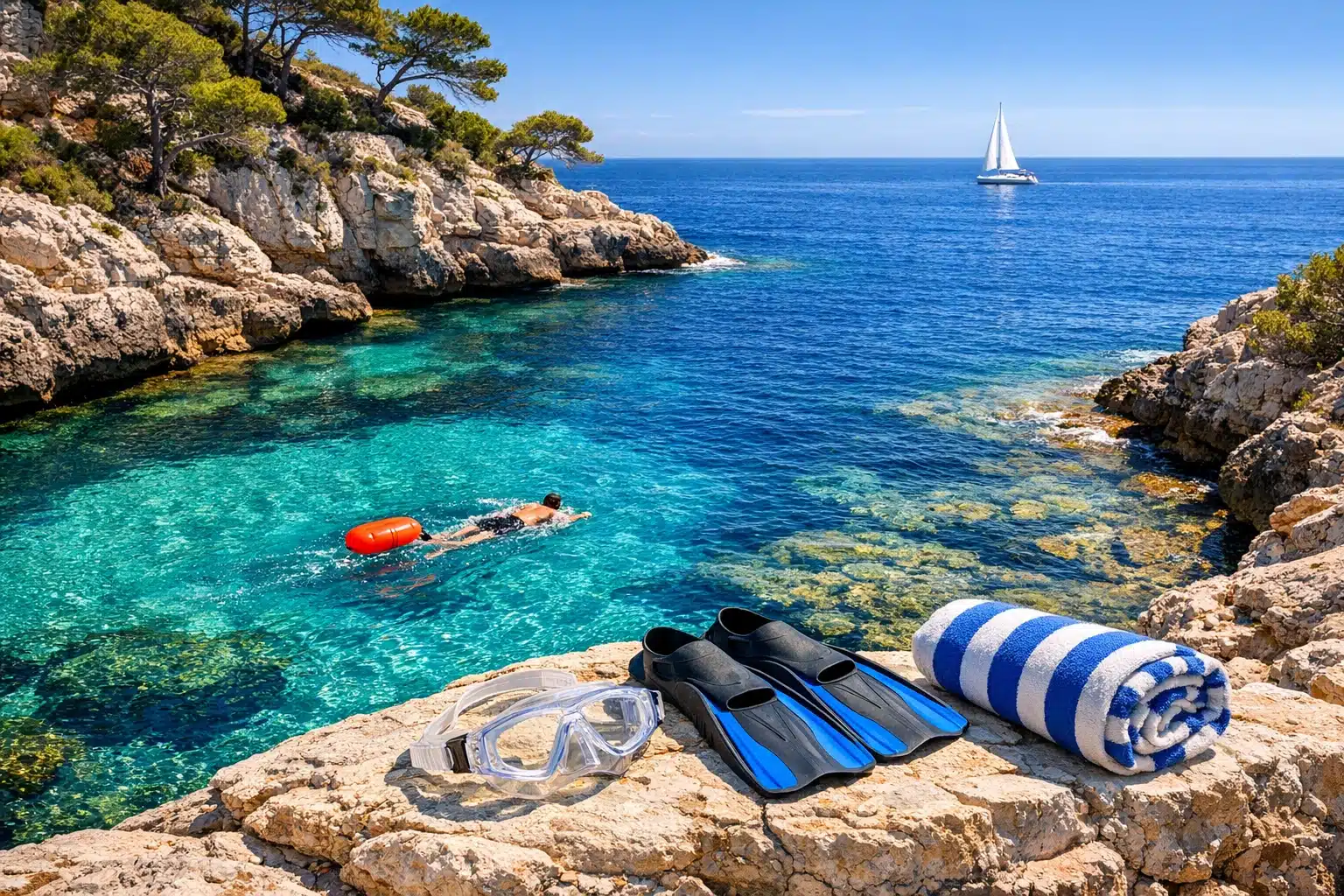
Explore the world of swimming
Swimming is one of those rare activities that feels playful and practical at the same time, blending movement, skill, and safety in a single habit. It matters to children learning confidence, adults searching for joint-friendly exercise, and older people who want to stay active without harsh impact. From neighborhood pools to lakes and coastlines, time in the water can strengthen the body, steady the mind, and teach respect for an environment that never rewards carelessness.
Outline: 1. Why swimming stands out as a full-body activity. 2. Core skills beginners need before speed and distance. 3. The differences between recreational, competitive, and open-water swimming. 4. Safety habits, equipment choices, and smart training decisions. 5. How to build a lasting relationship with swimming for fitness, enjoyment, and confidence.
Why Swimming Matters: Fitness, Function, and Everyday Value
Swimming occupies a special place among physical activities because it combines cardiovascular work, muscle engagement, mobility, and coordination without the repeated impact that comes with many land-based sports. Water supports body weight through buoyancy, which means joints often experience less stress than they would during running, jumping, or some court sports. For people managing stiffness, recovery from certain injuries, or simple wear and tear from daily life, that difference can be enormous. At the same time, water is far denser than air, so every stroke, kick, and body adjustment meets resistance. In plain terms, the water helps you and challenges you at once. Few activities offer that combination so naturally.
From a fitness perspective, swimming can improve heart and lung function, muscular endurance, and movement efficiency. A relaxed session of easy laps feels different from a fast interval set, yet both ask the body to work in rhythm. That rhythm matters. Breathing must be timed, posture must be controlled, and the arms and legs must cooperate rather than fight each other. This is one reason people often leave the pool pleasantly tired in a way that feels different from a treadmill workout. The effort is distributed across the whole body instead of landing mainly on a few areas.
Swimming also carries practical value beyond exercise. Learning to stay calm in water, float, tread, and move toward safety can become life-saving knowledge. The World Health Organization has repeatedly noted that drowning remains a major public health problem worldwide, especially for children and in places with limited access to swim instruction or safe supervision. That fact alone makes swimming more than a hobby. It is a skill with direct relevance to real life.
Its appeal stretches across age groups as well:
• Children can build confidence and basic water safety.
• Adults can use it for fitness, stress relief, or cross-training.
• Older swimmers often appreciate the reduced impact and steady pace.
• Athletes in other sports use the pool to maintain conditioning while easing strain on joints.
Then there is the mental side. Pools have their own atmosphere: the sound of splashing, the muffled quiet under the surface, the lane line keeping its straight promise. Many swimmers find that repeated laps create a meditative effect. There is little room for multitasking when your breathing, timing, and movement all need attention. That focus can be refreshing in a distracted world. Swimming does not solve every problem, and it is not ideal for every person in every condition, but its mix of physical benefit, emotional reset, and real-world usefulness explains why it continues to matter so much.
Learning the Basics: Breathing, Body Position, and the First Real Breakthroughs
For beginners, swimming can feel strangely humbling. Walking is automatic, but water changes the rules. A body that feels solid on land suddenly becomes lighter, less stable, and more dependent on balance. That is why good swim instruction usually begins with comfort and control rather than distance. Before anyone worries about fast laps, flip turns, or elegant stroke mechanics, the foundations need to be in place. The most important early lesson is simple: calm beats force. People who thrash, hold their breath, and rush their movements usually tire quickly. People who learn to float, exhale steadily, and move with patience often progress faster than expected.
Breathing is the first big hurdle. New swimmers commonly lift the head too high, hold air too long, or panic when a bit of water reaches the face. Instructors usually teach a better pattern: inhale when the mouth is clear, then exhale smoothly underwater. That steady release reduces tension and helps prevent the startled, gasping cycle that drains energy. Body position matters just as much. The more horizontal the body stays, the less drag it creates. A dropped hip, lifted chin, or stiff neck can make forward movement surprisingly difficult.
Key beginner priorities usually include:
• Floating on the front and back without panic.
• Gliding with a long body line.
• Kicking from the hips rather than bending only at the knees.
• Timing the breath so it supports the stroke instead of interrupting it.
• Learning how to stop, stand, and recover calmly.
Each stroke teaches something different. Freestyle is often the first focus because it is efficient and widely used for fitness. Backstroke helps swimmers understand body alignment while keeping the face out of the water. Breaststroke can feel more intuitive to some beginners because the breathing pattern is straightforward, though its timing is technical. Butterfly is the most demanding of the four competitive strokes and is usually introduced later. Comparing them is useful: freestyle rewards streamlining, backstroke develops awareness, breaststroke emphasizes timing, and butterfly exposes any weakness in rhythm almost instantly.
Progress rarely moves in a straight line. One week a learner may finally master side breathing; the next week that same skill feels clumsy again. That is normal. The water is honest, and honest environments do not flatter anyone. Improvement comes from repetition with attention, not from rushing through drills. A strong teacher, a safe environment, and short, focused practice sessions often work better than heroic but chaotic efforts. The real breakthrough in swimming is not merely crossing a pool without stopping. It is the moment a swimmer realizes the water is no longer an enemy to survive but a place where skill creates ease.
The Many Forms of Swimming: Recreation, Competition, and Open Water
To people who only see occasional lap lanes at a local pool, swimming may look like a single activity with minor variations. In reality, it contains several distinct worlds, each with its own culture, demands, and rewards. Recreational swimming is the broadest category. It includes casual pool visits, family outings, slow laps for fitness, hotel swims on vacation, and relaxed sessions meant more for enjoyment than measurement. Here, the goal may be comfort, fun, or general exercise rather than technical perfection. There is nothing lesser about that version of swimming. For many people, it is the form that makes movement sustainable over the long term.
Competitive swimming is more structured. Athletes train in specific strokes, distances, and race strategies, often working within measured pools of 25 or 50 meters. Technique becomes more precise, pacing becomes more deliberate, and small details matter more than outsiders might expect. A cleaner turn, a tighter streamline off the wall, or a better-timed breath can decide races. Competitive swimmers usually follow sets that include drills, endurance work, sprint efforts, and recovery. Their training resembles a language of numbers: repeat counts, send-off times, split goals, stroke counts. It can look repetitive, yet within that repetition lies endless refinement.
Open-water swimming introduces a very different flavor. The black line on the bottom disappears, the walls vanish, and nature stops cooperating with neat lane discipline. Lakes, rivers, and oceans bring currents, waves, temperature shifts, limited visibility, and navigation challenges. A strong pool swimmer may enter open water expecting easy success, only to discover that swimming straight, sighting a buoy, and managing nerves in deeper, darker water require additional skills. It is swimming with a wider horizon and less certainty. For some people, that is exactly the attraction.
Useful comparisons include:
• Pool swimming offers controlled conditions and easy pacing.
• Open water demands adaptability and stronger situational awareness.
• Recreational sessions prioritize enjoyment and accessible movement.
• Competitive programs prioritize measurable progress and technical precision.
There are also specialized branches such as masters swimming for adults, triathlon training, artistic swimming, water polo conditioning, and aqua-based rehabilitation. Each uses the water differently. A triathlete may care about efficient forward motion and endurance, while an artistic swimmer blends strength with performance and control. Even within the same pool, two people can be doing what seems like the same activity while actually training for completely different outcomes.
This variety helps explain why swimming stays relevant. It can be solitary without being lonely, social without needing spectacle, demanding without always being punishing. One person finds therapy in slow backstroke laps; another finds excitement in race starts and split times; someone else heads to the sea at sunrise for the thrill of distance and tide. Swimming is not a single road. It is a network of paths joined by water.
Safety, Technique, and Equipment: What Smart Swimmers Pay Attention To
Because swimming can feel graceful and freeing, it is easy to underestimate how much it depends on judgment. Good swimmers are not only people with strong strokes; they are people who read conditions, respect limits, and make careful choices before trouble begins. Safety starts with supervision and setting. Children should never be left unattended near water, not even for a short moment and not even in shallow areas. Adults, too, should think beyond confidence. A strong swimmer in a rough current, a crowded surf zone, or cold open water may still face serious risk. Skill helps, but conditions always get a vote.
In pools, basic habits matter more than they seem. Knowing depth changes, resting when fatigued, following lane etiquette, and avoiding horseplay near edges can prevent injuries and panic. In open water, preparation needs to expand. Swimmers should check weather, water temperature, tides, currents, visibility, and local guidance before entering. Bright swim buoys, a partner, and a clearly planned route add layers of safety. Cold water deserves special caution because sudden immersion can trigger a shock response, tighten breathing, and reduce control even in otherwise capable athletes.
Technique and equipment also shape safety. Goggles improve vision and reduce eye irritation, but a poor fit can distract or leak constantly. Caps help with visibility, warmth, or hair management, though they are not mandatory for everyone. Kickboards, pull buoys, fins, and paddles are training tools rather than essentials; they can support learning when used correctly, but they do not replace fundamentals. A swimmer who depends too heavily on gear may delay real skill development.
A practical equipment checklist might include:
• Well-fitted goggles with clear or appropriate-tint lenses.
• A comfortable swimsuit designed for movement.
• A cap if needed for visibility, comfort, or competition.
• A towel, water bottle, and simple post-swim layers.
• For open water, a safety buoy, thermal gear if conditions require it, and a partner plan.
There is also a hygiene dimension that responsible swimmers should not ignore. Showering before entering the pool helps maintain water quality. Staying out of the water when sick protects others. Listening to lifeguards is not optional theater; it is part of shared safety. For those training hard, recovery belongs in the conversation too. Overuse shoulder pain, cramping, and exhaustion often grow from poor load management rather than bad luck.
The smartest swimmers are rarely the flashiest people on deck. They are the ones who warm up properly, watch the sky before a lake swim, stop when something feels wrong, and treat water as a place to understand rather than conquer. That mindset is not dramatic, but it is what keeps swimming rewarding over time.
Making Swimming Part of Your Life: A Practical Conclusion for Beginners, Fitness Seekers, and Curious Returners
If you are standing at the edge of the pool wondering whether swimming is worth your time, the shortest honest answer is yes, provided you approach it with patience and purpose. Swimming can serve many different people well: beginners who want a useful life skill, adults looking for a sustainable form of exercise, parents hoping to build safer habits for their children, and former swimmers considering a return after years away. The key is to start with a goal that matches reality. Not every swimmer needs a stopwatch. Not every session needs to be intense. A simple, repeatable routine usually beats an ambitious plan that collapses after two weeks.
For a complete beginner, the first target might be comfort: submerging the face, floating, and crossing a short distance calmly. For a fitness-minded adult, success might mean two or three swims per week with a mix of easy laps and short technique drills. For a returning swimmer, the priority may be consistency and shoulder-friendly volume before speed. People often overestimate how much they need to do at the start. In truth, modest sessions completed regularly can create real progress. Water rewards familiarity. The more often you return, the less foreign it feels.
A useful approach is to build your practice around a few steady habits:
• Choose a realistic schedule you can keep for at least a month.
• Spend part of each session on technique, not only distance.
• Increase workload gradually instead of chasing exhaustion.
• Learn basic safety rules for every environment you enter.
• Track small improvements such as smoother breathing or fewer rest breaks.
It also helps to define what enjoyment looks like for you. Some people love quiet morning laps. Others prefer lessons, masters groups, or family swim hours. Some feel alive in open water; others prefer the predictability of a lane line and tiled walls. There is no single correct relationship with swimming. What matters is finding a version that keeps you engaged while staying safe and honest about your current abilities.
For the target audience of this guide, the most encouraging truth is that swimming does not demand perfection before it gives something back. Even early on, it can offer better body awareness, calmer breathing, improved fitness, and a stronger sense of capability around water. Over time, those gains accumulate. A person who once clung nervously to the pool edge may later move through the water with quiet confidence. That transformation is part of swimming’s lasting appeal. It begins with one lesson, one session, one careful breath, and the decision to keep going.