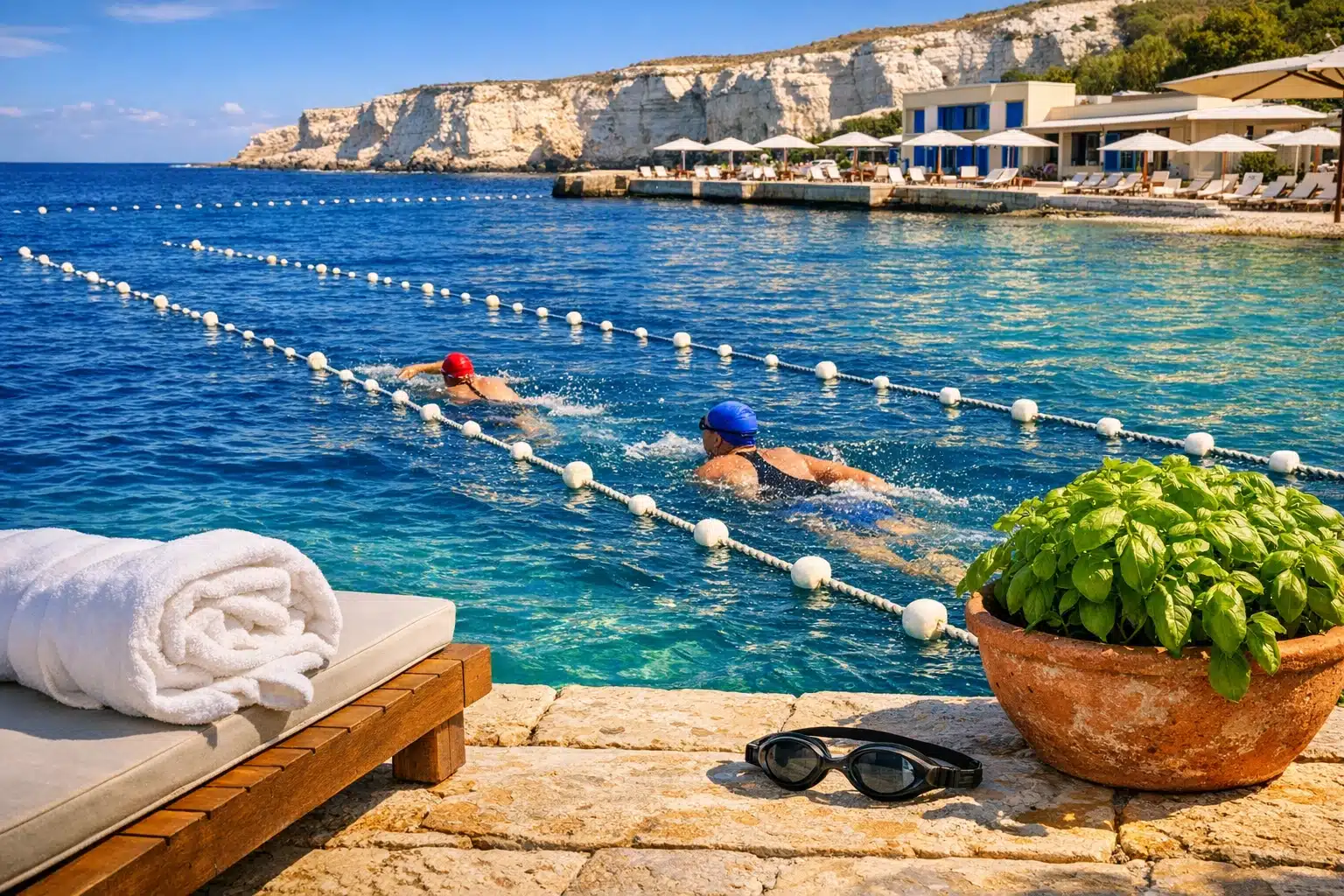
Explore the world of swimming
Swimming is one of the rare activities that feels playful while demanding real skill, discipline, and awareness. It can build endurance, improve coordination, and offer a sense of freedom that few land-based sports can match. From cautious beginners at the pool edge to open-water athletes chasing distance, almost everyone can find a version of swimming that fits their goals. This guide explores technique, health benefits, safety, training, and the culture that keeps people coming back to the water.
Outline:
• Why swimming matters in sport, fitness, and daily life
• The main strokes and the technique principles behind them
• Physical and mental benefits, with realistic context and comparisons
• Safety, equipment, and the best places to learn
• Training paths, competition, and practical advice for long-term progress
Why Swimming Matters in Sport and Daily Life
Swimming is more than a competitive event on a scoreboard or a summer pastime beside a bright blue pool. It is a life skill, a form of exercise, a survival tool, and for many people, a steady source of joy. Long before it became an Olympic discipline, humans swam to cross rivers, fish, travel, and adapt to watery landscapes. Modern swimming keeps that practical value while expanding into fitness, therapy, recreation, and elite sport. Few activities can claim such range without stretching the definition of usefulness.
Part of swimming’s importance comes from the environment itself. Water changes how the body moves. Because water is far denser than air, every stroke meets resistance, which means even simple movements can become meaningful work. At the same time, buoyancy supports body weight, reducing impact on joints compared with running or jumping. That combination is unusual: the body is protected from hard landings while still challenged by constant resistance. For people who find pounding pavement uncomfortable, the pool can feel less like compromise and more like discovery.
Swimming also teaches a different kind of coordination. In many sports, breathing happens automatically in the background. In water, breathing becomes part of the technique. The swimmer must align body position, arm action, kicking rhythm, and breath timing in a sequence that is both mechanical and almost musical. The water is honest in that way; tension, poor balance, and rushed movements are exposed immediately. If a runner can sometimes overpower bad form for a short stretch, a swimmer usually cannot hide it for long.
Compared with cycling, swimming demands more full-body timing. Compared with weight training, it asks for sustained rhythm rather than isolated force. Compared with walking, it takes more technical learning before the effort feels smooth. That learning curve is exactly why swimming remains rewarding. Progress is visible and tangible: a calmer breath, a cleaner glide, a lap that suddenly feels easier than it did last month.
Its relevance extends across age groups as well:
• Children gain water familiarity and safety awareness.
• Adults use it for cardiovascular training, stress relief, or cross-training.
• Older swimmers often value the reduced joint impact and steady movement.
This broad usefulness is what makes swimming stand apart. It is not merely a sport people watch; it is a skill people carry through life.
The Main Strokes and the Logic of Technique
Swimming looks simple from the bleachers, yet technique decides far more than raw effort. A beginner may kick furiously and still move slowly, while a trained swimmer seems to slide forward with deceptive ease. That contrast comes down to efficiency. Good technique is not about looking polished for its own sake; it reduces drag, improves breathing, and turns energy into forward motion instead of wasted splash.
The four competitive strokes are front crawl, backstroke, breaststroke, and butterfly, and each has a different personality. Front crawl, often called freestyle in everyday conversation, is usually the fastest and most efficient for long distances. The body stays relatively flat, the arms alternate in a continuous cycle, and the swimmer breathes to the side while maintaining a flutter kick. It rewards rhythm and balance, which is why it is the backbone of most lap swimming and triathlon training.
Backstroke is the only stroke performed on the back, with the face out of the water. That makes breathing easier, but orientation harder; swimmers must trust lane markings, flags, and body awareness rather than direct forward vision. It is often comfortable for people who dislike side breathing, yet it punishes a sagging hip position or wandering line. Breaststroke, by contrast, is slower but popular among recreational swimmers because the head can rise more naturally and the pace feels easier to control. Its pull-kick-glide sequence is highly technical, and poor timing can create heavy drag. Butterfly is the most demanding of the four, driven by a dolphin kick and simultaneous arm recovery. When executed well, it looks like controlled power; when rushed, it feels like wrestling the water.
Technique fundamentals apply across strokes:
• A streamlined body position reduces resistance.
• A relaxed head and neck help the hips stay higher.
• Breathing should fit the stroke rather than interrupt it.
• Kicking supports balance as much as propulsion.
Beginners often compare strokes by comfort, while experienced swimmers compare them by efficiency, race demands, and energy cost. Front crawl suits most fitness goals, breaststroke can feel approachable, backstroke builds awareness, and butterfly develops strength and timing. The deeper lesson is that every stroke teaches something different about movement. Swimming becomes richer once the question changes from “How fast can I go?” to “How well can I move through water?” That shift is where progress usually begins.
Health, Fitness, and Mental Benefits of Swimming
Swimming earns its reputation as a strong all-around workout because it trains several systems at once. It challenges the heart and lungs, recruits major muscle groups, and builds endurance without the repeated impact that comes with many land sports. Public health guidelines from organizations such as the World Health Organization recommend that adults get regular moderate or vigorous aerobic activity each week, and swimming can satisfy that target effectively. A steady session of laps, aqua jogging, or interval work can all contribute to better cardiovascular fitness.
The physical benefits are broad but realistic. Swimming can improve stamina, support muscular endurance, and enhance shoulder, back, core, and leg coordination. Water resistance works in every direction, so even controlled movements demand effort. Moderate lap swimming is often estimated to burn several hundred calories per hour, with totals varying by body size, stroke choice, and intensity. Butterfly or fast front crawl generally costs more energy than a relaxed breaststroke set. That does not mean swimming is magically superior to every other exercise, but it is undeniably efficient for people who want full-body work in a single session.
Its lower-impact nature is another major advantage. People with joint discomfort, those returning to exercise, and athletes managing fatigue from running or court sports often use swimming as cross-training. The buoyancy of water reduces loading forces, which can make movement feel less punishing. Still, lower impact does not mean risk-free. Poor technique may aggravate shoulders, excessive training can lead to overuse issues, and chlorine exposure can bother sensitive skin or airways in some environments. A balanced view matters more than hype.
Mental benefits are just as compelling. The rhythm of strokes, the sound of bubbles, and the repeated act of exhaling into water can create a focused, almost meditative state. Many swimmers describe the pool as a place where noise fades and attention sharpens. Stress does not disappear in a dramatic movie scene, but it often loses volume.
Common reasons people stay with swimming include:
• It combines exercise with skill development.
• Sessions can be adapted from gentle to intense.
• Water offers a sensory break from crowded, noisy spaces.
• Progress feels measurable through distance, pace, and comfort.
Compared with some gym routines, swimming can feel less repetitive because technique always leaves room for refinement. Compared with casual walking, it demands more concentration. Compared with high-impact classes, it may be easier on the joints while still delivering a serious workout. For readers seeking health benefits without unrealistic promises, that balance is exactly why swimming deserves attention.
Safety, Equipment, and the Best Places to Learn
No conversation about swimming is complete without safety. Water can be inviting, beautiful, and calm-looking, yet it always deserves respect. Global health authorities, including the World Health Organization, have repeatedly noted that drowning remains a major public health problem worldwide. That fact alone explains why learning to float, tread water, control breathing, and exit the water safely matters far beyond sport. Confidence is valuable, but informed caution is even more valuable.
For beginners, the safest learning environment is usually a supervised pool with qualified instruction. Pools offer visible depth markers, lane structure, predictable temperature, and access to lifeguards. Those features reduce uncertainty and let learners focus on fundamentals such as body position and breath control. Open water introduces wind, waves, currents, cold, poor visibility, and navigation challenges. Lakes, rivers, and the sea can be breathtaking places to swim, but they should not be treated like larger versions of a pool. Even strong pool swimmers can be unsettled by moving water or reduced sightlines.
Basic safety habits are simple, but they matter:
• Never assume ability in one setting transfers perfectly to another.
• Avoid swimming alone, especially in open water.
• Learn the depth before diving or jumping.
• Pay attention to lifeguards, posted rules, and weather conditions.
• Stop early if panic, cramping, or dizziness appears.
Equipment can make swimming more comfortable, though not all gear is essential. A well-fitting swimsuit and reliable goggles are the basic starting point. Goggles help beginners relax because clear vision reduces anxiety and improves orientation. Swim caps are useful for comfort, long hair control, and sometimes pool rules, but they are not mandatory everywhere. Training tools such as kickboards, pull buoys, fins, and hand paddles can isolate skills or add resistance, yet they work best when used with purpose. Buying advanced gear does not replace learning technique.
Choosing where and how to learn depends on goals. Public pool lessons are often affordable and social. Private coaching offers detailed feedback and quicker correction of habits. Masters programs can support adults who want structure without needing elite aspirations. For open-water interest, many swimmers progress by building pool skill first, then adding supervised outdoor sessions with bright caps, tow floats, and a partner nearby.
A calm swimmer is usually a safer swimmer. That calm comes from preparation, not luck. Once safety becomes part of the routine rather than an afterthought, the sport opens up in a more enjoyable and sustainable way.
Training Paths, Competition, and a Conclusion for New and Returning Swimmers
Swimming can begin with a single cautious lap and still grow into a lifetime practice. That is part of its appeal. The same pool can host a child learning to float, an office worker chasing better fitness, a masters athlete preparing for a meet, and a triathlete refining race pace. The path changes, but the structure of progress stays familiar: learn the basics, improve efficiency, build endurance, and then choose whether you want recreation, performance, or a blend of both.
Most productive swim training follows a simple pattern. A session often starts with a warm-up to raise body temperature and settle breathing. Drills come next, focusing on details such as rotation, catch position, or kick timing. The main set provides the real workload, whether that means steady distance, short intervals, or mixed strokes. A cool-down closes the session and helps the body shift out of sustained effort. This format keeps training purposeful rather than random. In swimming, structure matters because fatigue can hide technical mistakes until they become habits.
Competition adds another layer for those who want it. Pool racing ranges from short sprints like 50 meters to distance events such as 1500 meters, along with relays and individual medleys. Open-water competition introduces navigation, pack dynamics, and changing conditions that do not exist between lane ropes. Yet competition is optional, not mandatory. Many adults join masters groups simply for community and consistency. Others use swimming to support goals in surfing, rowing, water polo, diving, or general health. Success is not defined by medals alone.
If you are new or returning after a long break, a sensible approach works best:
• Start with lessons or feedback if breathing and technique feel uncertain.
• Build frequency before chasing high mileage.
• Track simple markers such as comfort, pace, and recovery.
• Respect rest, because better form often arrives when fatigue is managed.
The most useful conclusion for the average reader is also the least dramatic: swimming rewards patience. Progress may come as faster laps, easier breathing, safer judgment, or the quiet confidence of feeling at home in water. You do not need to become a racer to benefit from the sport, and you do not need perfect technique to begin. Show up, learn carefully, stay safe, and let skill grow lap by lap. For people who want exercise with purpose, challenge with calm, and movement that can stay meaningful for decades, swimming is a remarkably strong place to start.