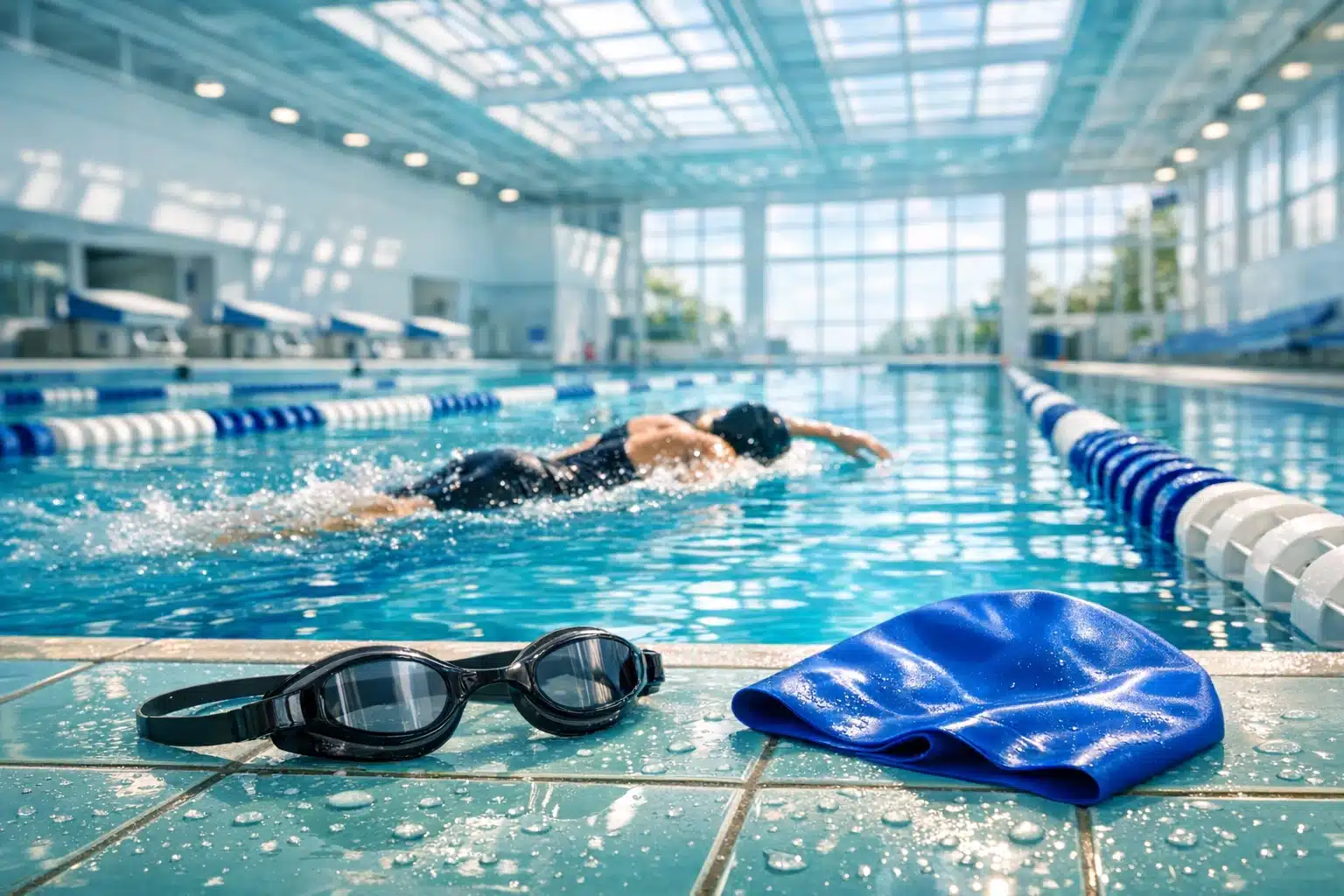
Explore the world of swimming
Introduction
Swimming sits at a rare crossroads where survival, sport, and simple joy meet in one element. A child learning to float, a triathlete chasing seconds, and an older adult protecting sore joints can all find something useful in the same lane. Because water changes how the body moves, breathes, and balances, it offers lessons that reach far beyond exercise. This article explores swimming as a skill, a workout, and a lifelong companion.
Outline
- The broad value of swimming as a life skill, recreational practice, and organized sport
- The main strokes, core techniques, and the mechanics that make movement through water efficient
- The physical, mental, and long-term health benefits that make swimming distinctive among exercises
- Training methods, gear choices, safety habits, and confidence-building steps for beginners and regular swimmers
- Ways to adapt swimming for different goals, ages, and lifestyles, followed by a practical conclusion for readers
Why Swimming Matters Beyond the Pool
Swimming matters because it is both deeply practical and surprisingly expansive. On the most basic level, it is a safety skill. Knowing how to float, tread water, breathe calmly, and move toward an edge can make the difference between panic and control in an emergency. That alone gives swimming a relevance few other sports can claim. Yet its importance does not stop at safety. It is also recreation, exercise, therapy, competition, and, for many people, a place to think. A pool often looks quiet from the deck, but inside the water it becomes a moving classroom where breath, timing, and confidence are constantly negotiated.
Part of swimming’s appeal comes from how widely it can be adapted. A standard Olympic pool is 50 meters long, while many community pools are 25 meters or 25 yards, but the value of swimming does not depend on elite facilities. A beginner can practice floating in the shallow end. A club swimmer can train with structured intervals. An injured runner may use water sessions to stay active while reducing impact on the knees or ankles. This flexibility makes swimming unusually inclusive across age groups and fitness levels.
Swimming also stands apart because water changes the rules of movement. On land, gravity and impact dominate the experience. In water, buoyancy offers support, while resistance meets every push, pull, and kick. That combination creates a strange and wonderful contrast: swimming can feel gentler on the joints and harder on the lungs at the same time. A short set of laps may leave a newcomer more humbled than a long walk or an easy bike ride. That is not a flaw; it is part of swimming’s honesty. The water gives immediate feedback, and it does not negotiate with rushed technique.
Its cultural reach is broad as well. Some people meet swimming through school lessons, some through beach holidays, and others through competitive clubs, lifeguard training, or rehabilitation programs. The reasons vary, but the common thread is trust. Swimmers learn to trust the water without underestimating it. That balance is valuable in sport and in life.
- As a life skill, swimming builds safety and composure.
- As a sport, it rewards discipline, precision, and endurance.
- As leisure, it offers play, relief from heat, and a mental reset.
For all these reasons, swimming is not just another workout option. It is a long-term skill with practical value, emotional depth, and room for lifelong improvement.
Strokes, Technique, and the Art of Moving Efficiently
To an inexperienced eye, swimming can seem simple: get in, move your arms, kick, breathe, repeat. In practice, technique shapes almost everything. Water is far denser than air, so small flaws in body position or timing can create drag that wastes energy. That is why two swimmers with similar fitness can produce very different results. One glides through the lane with quiet efficiency, while the other fights the water on every length. The difference is rarely magic. It is usually mechanics.
The four competitive strokes offer a useful map of swimming technique. Freestyle, often called front crawl, is generally the fastest and most energy-efficient for longer distances. It relies on a streamlined body line, a rotating torso, and a rhythmic breathing pattern. Backstroke shares some of freestyle’s logic but places the swimmer face-up, which changes balance and makes orientation harder without lane markers. Breaststroke is slower for many swimmers, yet it is popular because the head can rise more naturally during the stroke. Butterfly is the most demanding of the four, combining powerful arm recovery with a wave-like body motion and precise timing. Each stroke teaches something different about propulsion and control.
Several technical principles matter across all strokes:
- Body position: the flatter and more balanced the body, the less drag it creates.
- Breathing: lifting the head too much disrupts alignment and slows momentum.
- Catch and pull: effective swimmers press against the water rather than merely slapping at it.
- Kick timing: the legs support balance and rhythm, not just speed.
- Streamlining: pushing off the wall in a tight shape can save energy every lap.
Freestyle offers a good example of how details add up. A beginner often kicks hard but sinks at the hips because the head is held too high. Another common issue is overreaching the arm entry, which can strain the shoulder and flatten rotation. A more efficient swimmer keeps the gaze downward, rotates from the core, and breathes to the side without lifting the entire face out of the water. The result is not only faster movement but also a calmer one. Good swimming often looks effortless because wasted motion has been removed.
Technique is also where creative progress enters the picture. In swimming, improvement can arrive like a clicked lock: one adjustment to exhalation underwater, one cleaner turn, one better sense of timing, and suddenly a distance that felt chaotic becomes smooth. That feeling keeps many people coming back. Speed matters, but mastery of movement is often the deeper reward.
Health, Fitness, and the Distinct Benefits of Swimming
Swimming earns its reputation as a full-body exercise for good reason. Unlike activities that emphasize one region of the body, swimming requires coordinated work from the shoulders, back, core, hips, and legs. The heart and lungs are engaged throughout, especially when sets are structured with controlled rest. Because of this, swimming can support cardiovascular fitness, muscular endurance, and movement quality at the same time. It is one of the few forms of exercise where technique and conditioning rise together, each improving the other.
One of swimming’s biggest advantages is its low-impact nature. On land, repeated impact can bother joints, particularly in people recovering from injury, carrying extra body weight, or returning to exercise after a long break. In water, buoyancy reduces the pounding associated with running and jumping. That does not make swimming easy; it simply changes the type of demand. A hard swim session can still be taxing, but the strain is distributed differently. For older adults and people managing joint discomfort, that difference can be significant.
There are also strong energy and endurance benefits. Depending on pace, stroke, and body size, lap swimming can burn several hundred calories in an hour, often in the rough range of 400 to 700 or more. But calories tell only part of the story. Swimming improves breathing control, stroke efficiency, and tolerance for sustained effort. Intervals such as 10 x 100 meters with rest between repetitions build stamina in a very different way from a casual continuous swim. The heart adapts, the body learns to recover faster, and the mind becomes more comfortable with measured discomfort.
Swimming can also support mental well-being. Many swimmers describe a session as clarifying, almost like reorganizing the day one lap at a time. The sensory environment helps explain this. Water muffles noise, narrows focus, and creates a rhythm built around breath and repetition. That does not replace medical care for anxiety, depression, or stress-related conditions, but it can be a meaningful part of a healthy routine.
- For general fitness, steady laps build basic endurance.
- For strength endurance, tools such as pull buoys or paddles can add variety when used carefully.
- For recovery, easy swims encourage movement without harsh impact.
- For busy adults, short structured sessions can still deliver solid training value.
In short, swimming is not only good exercise. It is a versatile training environment where health, performance, and sustainability often meet in the same lane.
Training Smart, Staying Safe, and Building Confidence
Swimming rewards enthusiasm, but it rewards structure even more. Many beginners assume that improvement comes from simply doing more laps. Volume helps, yet smart training begins with clear goals and safe habits. A person learning to swim needs a different plan from someone training for a 1500-meter race or using the pool for recovery after injury. The most effective routines are built around intention: what skill is being trained, what pace is sustainable, and what kind of fatigue is acceptable.
For a new swimmer, confidence should be trained before speed. That means learning how to enter and exit safely, float on the front and back, exhale underwater, and recover from a missed breath without panic. These are not glamorous skills, but they are foundational. A strong kick or a fast arm turnover cannot compensate for anxiety around breathing. Once basic control is established, short repeats with rest are usually better than endless unbroken laps. For example, 8 lengths with pauses can teach more than one exhausting continuous effort that falls apart halfway through.
Equipment can help, though it should support learning rather than replace it. A well-fitted pair of goggles improves comfort and reduces distraction. A swim cap is useful for streamlining and practicality, especially in longer sessions. Kickboards can isolate leg work, while pull buoys shift attention toward upper-body mechanics. None of these tools is a shortcut. They are training aids, not substitutes for good technique.
- Warm up before harder efforts, even if the session is short.
- Respect lane etiquette by choosing an appropriate lane speed and sharing predictably.
- Hydrate, because pool work still causes fluid loss even when the body is surrounded by water.
- Stop if sharp pain appears, especially in the shoulders, neck, or lower back.
Safety deserves special attention outside the pool. Open-water swimming introduces current, waves, visibility issues, and temperature changes that are not present in controlled facilities. Swimmers should avoid going alone, wear a bright cap, understand the conditions, and use a tow float where appropriate. Cold water can impair breathing and judgment faster than many people expect. Confidence in a lane pool does not automatically translate to a lake or the sea.
The encouraging part is that confidence grows in layers. One day it is a steady exhale underwater. Another day it is a clean push-off, a smoother turn, or a first full length without stopping. Swimming rarely becomes comfortable all at once. It becomes manageable, then familiar, then satisfying. That progression is worth respecting, because it is what turns a cautious beginner into a capable swimmer.
Swimming for Different Goals: A Practical Conclusion for Readers
Swimming is not one activity with one audience. It is a broad practice that can be shaped around very different goals, and that is exactly why it remains relevant across a lifetime. A child may need it as a water-safety foundation. A teenager may enjoy the structure and community of club training. A working adult may use it as efficient exercise before the day becomes crowded with meetings and errands. An older swimmer may value the way the water supports movement without the jarring impact of land-based exercise. The same pool can serve all of them, even though their reasons for showing up are completely different.
For readers trying to decide where to begin, the most useful question is not, “What is the perfect swim plan?” It is, “What do I want swimming to do for me right now?” If the answer is safety, lessons and confidence drills come first. If the answer is fitness, a simple schedule of two or three weekly sessions can produce steady progress. If the answer is competition, technique review, interval training, and consistent pacing matter more than random hard efforts. If the answer is stress relief, an easy mix of strokes and relaxed breathing may be more valuable than chasing lap times.
It helps to think in practical categories:
- Beginners should prioritize comfort in the water, breathing, and basic propulsion.
- Fitness swimmers should track consistency, not only distance.
- Competitive swimmers should focus on efficiency, turns, pacing, and recovery.
- Older adults and returning exercisers should value sustainability over intensity spikes.
There is also a lesson here that reaches beyond sport. Swimming teaches patience with processes that cannot be rushed. Muscle matters, of course, but so do rhythm, awareness, and restraint. In the water, forcing things usually backfires. Progress comes from learning how to work with the environment instead of trying to overpower it. That is a useful mindset in training and in ordinary life.
So if you are reading this with curiosity, start simply. Pick one goal, one session this week, and one skill to notice. Maybe it is floating more calmly, finishing a length without rushing the breath, or learning why streamlined posture matters. Swimming does not demand perfection on day one. It asks for attention, repetition, and respect for the water. Give it those things, and it can become far more than a pastime. It can become a durable skill, a reliable form of exercise, and a place where effort gradually turns into ease.