Explore the world of swimming
Swimming is one of those rare activities that feels both ancient and modern, equally at home in a quiet lake, a neighborhood pool, or an Olympic arena. It matters because it builds endurance, supports heart health, and teaches a practical life skill that can prevent accidents. For children, adults, and older swimmers alike, the water offers challenge without the harsh impact of many land sports. That blend of safety, fitness, and freedom makes swimming worth understanding in depth.
Outline
This article follows five connected themes so the subject stays easy to navigate and useful for different readers.
- The history and broader meaning of swimming
- The physical and mental benefits of regular swimming
- The main strokes, technique basics, and training principles
- Safety, equipment, and the differences between pools and open water
- How swimming fits children, adults, older people, and goal-focused beginners
1. Swimming as a Human Skill, Sport, and Cultural Tradition
Swimming is older than organized sport, older than modern fitness culture, and older than the idea of exercise as a scheduled task. Human beings learned to move through water because rivers had to be crossed, coastlines had to be explored, and survival often depended on confidence in unstable environments. Historical records from ancient Egypt, Greece, and Rome show that swimming was valued not only for practical reasons but also for military training, recreation, and education. In many places, being able to swim meant being better prepared for life itself.
That history still matters. Unlike a treadmill workout or a short-lived exercise trend, swimming connects performance with function. A person who learns to swim gains more than a way to burn calories; they gain access to beaches, lakes, water travel, and a safer relationship with one of nature’s most powerful elements. The water does not negotiate. It rewards calm technique, rhythm, and awareness, while quickly exposing panic, poor planning, or overconfidence. In that sense, swimming teaches humility in a surprisingly practical form.
Swimming also carries cultural weight. Competitive swimming is a major Olympic sport, but the activity reaches far beyond elite lanes and stopwatches. It appears in family holidays, rehabilitation centers, school programs, hotel pools, summer camps, and community clubs. In some countries, swimming lessons are treated almost like a rite of passage because water safety is considered essential. This is not just sensible; it is urgent. The World Health Organization has long identified drowning as a serious public health issue, with hundreds of thousands of deaths occurring globally each year. Teaching people to swim, float, and stay calm in water can reduce risk in a direct and measurable way.
Compared with many sports, swimming also stands out for its unusual balance of solitude and community. A lane swimmer may spend an hour alone with bubbles, breath, and repetition, yet swim teams, masters groups, and family sessions create strong social ties. It can feel meditative one day and fiercely competitive the next. Few activities move so easily between these worlds.
That flexibility explains why swimming remains relevant. It is a survival skill, a leisure activity, a form of therapy, and a demanding sport. Whether the goal is confidence, health, competition, or simple enjoyment, swimming offers a doorway. Step through it, and the water begins teaching almost immediately.
2. Physical Health, Mental Well-Being, and Why the Water Feels Different
Swimming is often described as a full-body workout, and that phrase is accurate without being complete. What makes it especially valuable is the way the water changes every movement. On land, gravity dominates. In water, buoyancy reduces impact while resistance surrounds the body from nearly every direction. That combination is why swimming can challenge the cardiovascular system without pounding the joints the way running or high-impact classes often do. For people managing knee pain, excess body weight, or recovery from certain injuries, that difference can be decisive.
Regular swimming supports heart and lung function by asking the body to move continuously while coordinating breathing under mild constraint. A relaxed lap session can feel smooth and almost quiet, yet it still trains endurance. Increase the pace, shorten rest periods, or choose a more demanding stroke, and the workout becomes notably intense. Calorie use varies with body size, stroke, and speed, but a solid hour of swimming can burn several hundred calories, often in the same general range as brisk cycling or steady running. The exact number matters less than the pattern: swimming can be light, moderate, or vigorous, which makes it adaptable for many fitness levels.
The benefits are not limited to the heart and muscles. Water pressure and resistance can encourage controlled movement, better posture, and improved body awareness. Many swimmers discover that their shoulders, back, core, and hips must work together more intelligently than they do in ordinary daily life. There is no easy way to fake a streamlined body position. If alignment is poor, the water tells the truth at once by creating drag.
Mental effects are another major reason people stay with the sport. The repeated cycle of reach, kick, and breath often produces a steady, focused state that resembles moving meditation. Some people leave the pool physically tired but mentally refreshed, as if the water has rinsed static from the mind. Research on exercise and mental health consistently shows that regular physical activity can help reduce stress and improve mood, and swimming fits that pattern well.
Its appeal becomes even clearer in comparison:
- Compared with running, swimming usually places less impact on ankles, knees, and hips.
- Compared with strength machines, it trains coordination in a more fluid, whole-body way.
- Compared with many team sports, it can be easier to continue across decades of life.
That is why swimming remains such a practical recommendation. It can strengthen the body, support long-term fitness, and offer mental quiet, all in the same session.
3. Understanding the Main Strokes, Efficient Technique, and Smarter Training
To an inexperienced eye, swimming can look deceptively simple: get in, move arms, kick legs, keep going. Anyone who has tried to swim a few lengths without technique soon learns otherwise. Water punishes waste. A small error in breathing, timing, or body position can turn a manageable swim into a breathless struggle. The good news is that efficiency in water is teachable, and even modest technical improvements can produce dramatic gains in comfort and speed.
The four main competitive strokes are freestyle, backstroke, breaststroke, and butterfly. Freestyle, usually swum as front crawl, is the fastest and most common for fitness training. It rewards a long body line, relaxed recovery, steady kick, and rhythmic side breathing. Backstroke shares some similarities in body rotation and kick, but the face remains above water, which changes breathing demands and helps some learners feel less rushed. Breaststroke is slower and more timing-dependent, using a pull, breath, kick, and glide pattern that many beginners find intuitive at first, though truly efficient breaststroke is technically subtle. Butterfly is the most demanding of the four for most swimmers, combining a wave-like body action with simultaneous arm recovery and powerful timing.
Technique begins with body position. Swimmers often assume they need stronger arms, when what they really need is less drag. A balanced, horizontal posture allows the body to ride higher in the water, which reduces resistance. From there, breathing becomes the next major checkpoint. Lifting the head too high tends to sink the hips and interrupt momentum. Skilled swimmers exhale into the water and turn just enough to inhale, rather than fighting upward for air. It is less like grabbing oxygen from above and more like borrowing it in passing.
Training should match purpose. A beginner benefits most from short repeats, rest, and drills that build confidence. A fitness swimmer may combine easy aerobic sets with faster intervals. A competitive swimmer typically works across several zones, from technique and endurance to sprint speed and race pacing.
Useful technical priorities include:
- Streamline first, power second
- Exhale underwater to avoid rushed breathing
- Use drills to isolate one skill at a time
- Increase volume gradually instead of chasing exhaustion
Comparisons between strokes also help. Freestyle is usually the most economical for distance. Breaststroke can feel gentler at easy pace but becomes tiring if timing collapses. Backstroke is excellent for balance and shoulder control when done well. Butterfly builds power and rhythm but demands patience to learn safely. In every case, the best swimmers are not simply stronger; they are more precise. They move with the water rather than trying to overpower it, and that is where swimming becomes both science and art.
4. Safety, Equipment, and the Difference Between Pool Swimming and Open Water
Swimming has many benefits, but it rewards preparation more than improvisation. Safety is not a gloomy side note to the sport; it is part of competence. A confident swimmer understands personal limits, respects conditions, and treats water as an environment rather than a neutral backdrop. This matters in every setting, from a calm indoor pool to a choppy coastline under changing weather.
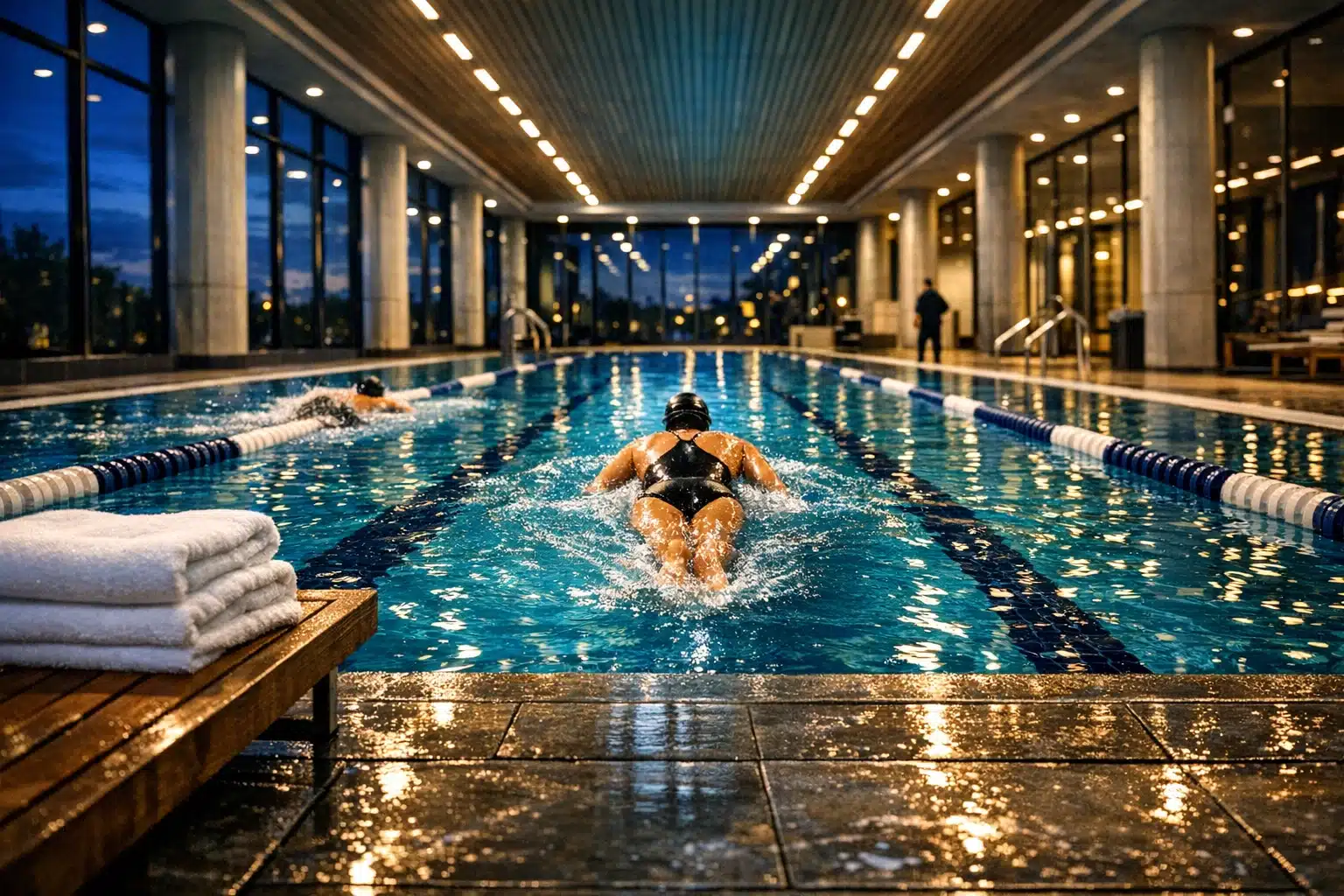
Pools are usually the easiest place to learn because variables are controlled. The temperature is steadier, lane markings guide direction, visibility is better, and lifeguards are often present. For beginners, that predictability lowers stress and allows more attention to technique. Lap pools are also useful for measurable training because distance, pace, and rest can be tracked consistently. If improvement is the goal, a pool provides a clean laboratory.
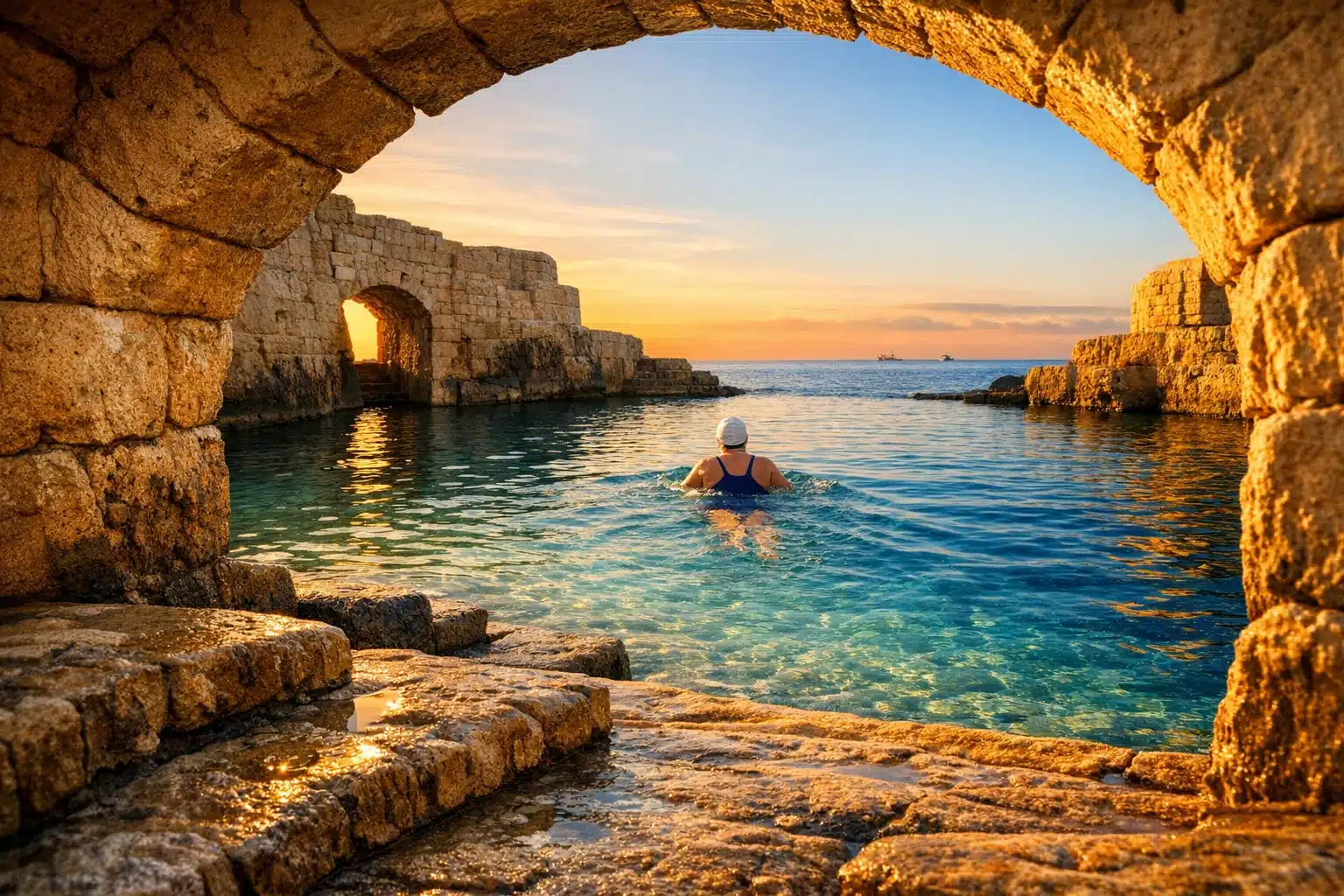
Open water is another story entirely. Lakes, rivers, and seas offer beauty and freedom, but they also introduce currents, waves, cold temperatures, uneven visibility, and navigation challenges. A swimmer who feels comfortable in a pool can become disoriented outdoors within minutes. There may be no wall to hold, no black line to follow, and no guaranteed rescue nearby. Cold water can affect breathing and muscle control quickly, while sunlight, wind, and boat traffic add new layers of awareness. Open-water swimming can be deeply rewarding, almost dreamlike at times, but it asks for judgment as much as stamina.
Equipment can support comfort and safety without becoming complicated. Basic gear often includes a well-fitted swimsuit, goggles, and a towel. Many swimmers also use a cap, especially in chlorinated pools or colder conditions. Training tools such as kickboards, pull buoys, fins, and paddles can be helpful when used with purpose, though none of them replaces sound technique. For open water, a brightly colored cap and a tow float can improve visibility, and a wetsuit may help with temperature and buoyancy where appropriate.
Useful safety habits include:
- Never overestimate your ability in unfamiliar water
- Swim with supervision or a partner whenever possible
- Check weather, water temperature, and local conditions before entering
- Rest if breathing becomes ragged or panic begins to build
- Learn floating, treading water, and basic self-rescue skills
The comparison is simple but important: pools are structured and measurable; open water is dynamic and less forgiving. Both can be enjoyable, but they demand different mindsets. Smart swimmers do not just train their bodies. They train attention, because in water, awareness is part of endurance.
5. Swimming for Different Ages, Different Goals, and a Practical Conclusion
One of swimming’s greatest strengths is that it can meet people where they are. A child splashing near the wall, an office worker trying to rebuild fitness, a triathlete chasing speed, and an older adult seeking joint-friendly movement can all belong in the same broad world of swimming without needing the same program. That versatility is rare, and it explains why the sport stays relevant across a lifetime.
For children, swimming should begin with safety, comfort, and basic skill development rather than pressure. Learning how to float, breathe, and move calmly through water creates a foundation that can last for decades. Positive early experiences matter. A child who feels secure is more likely to become capable; a child who feels rushed may carry tension into every future lesson. For adults, especially beginners, the biggest obstacle is often not fitness but self-consciousness. Many assume they are too late, too uncoordinated, or too out of shape to start. In reality, adult learners often progress well because they can listen carefully, reflect on technique, and train with patience.
Older swimmers often benefit from the low-impact nature of the activity. Water can make movement feel possible again when joints complain on land. That does not mean intensity disappears. A thoughtful aquatic routine can still improve endurance, mobility, and muscular engagement. Competitive or goal-oriented athletes, meanwhile, can use swimming as a primary sport or as cross-training. Runners and cyclists often value it for aerobic work without constant impact, while team-sport athletes may use it to develop conditioning and recovery capacity.
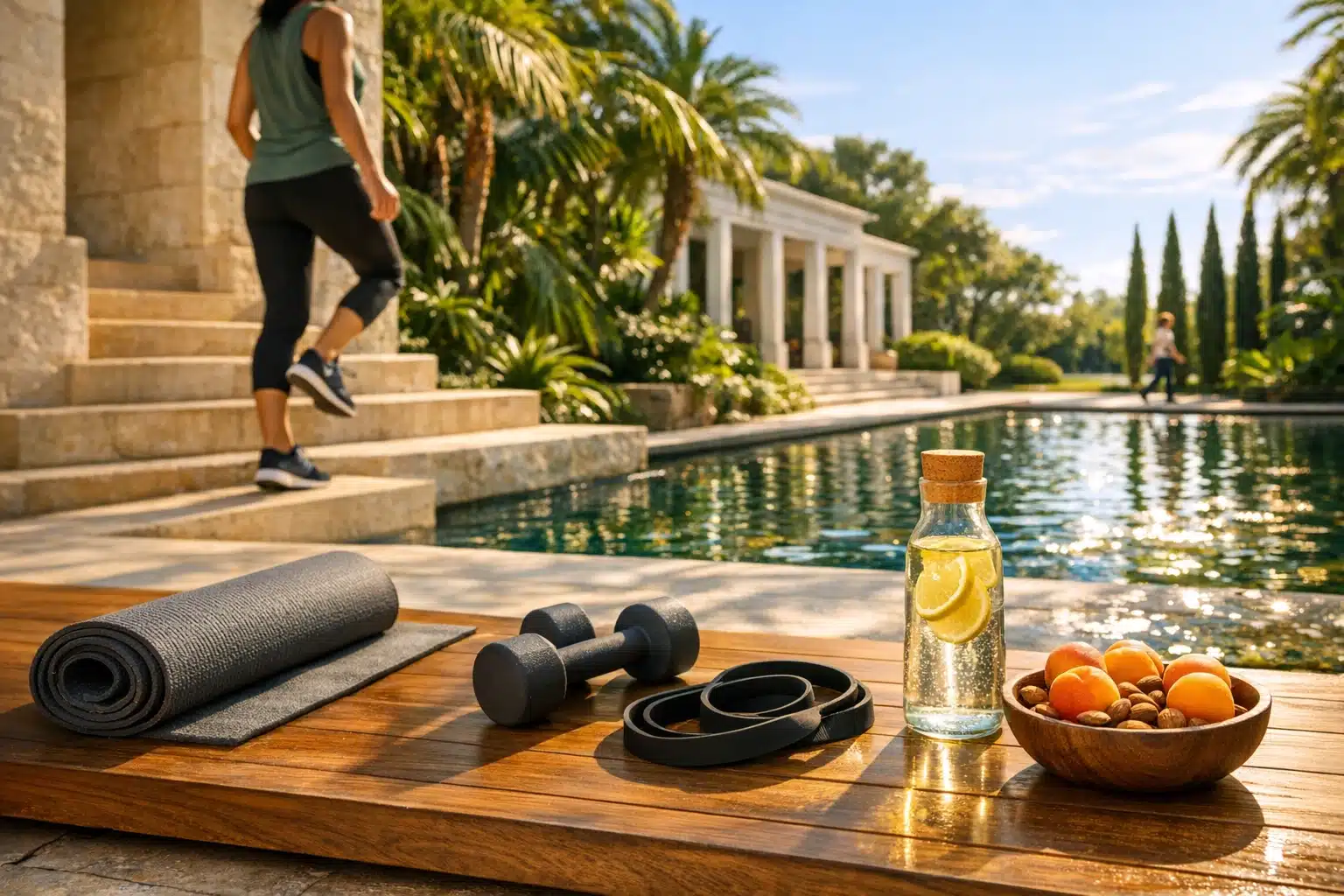
A simple starting approach works better than grand plans. Two or three sessions per week are enough for many beginners. Focus on consistency first, then duration, then pace. Lessons or coached sessions can shorten the learning curve dramatically because feedback in swimming is hard to self-diagnose.
A practical roadmap looks like this:
- Start with manageable sessions rather than heroic distances
- Practice breathing and body position before worrying about speed
- Use a mix of easy swimming, drills, and short rest periods
- Choose an environment that feels safe and welcoming
- Track progress by comfort and technique, not only by time
For readers considering whether swimming is worth the effort, the answer is yes if you want a skill that combines health, confidence, and longevity. You do not need to chase medals to gain meaningful value from the water. Learn steadily, respect the environment, and give technique the attention it deserves. In return, swimming can become more than exercise; it can become one of the most useful and sustainable habits in your week.