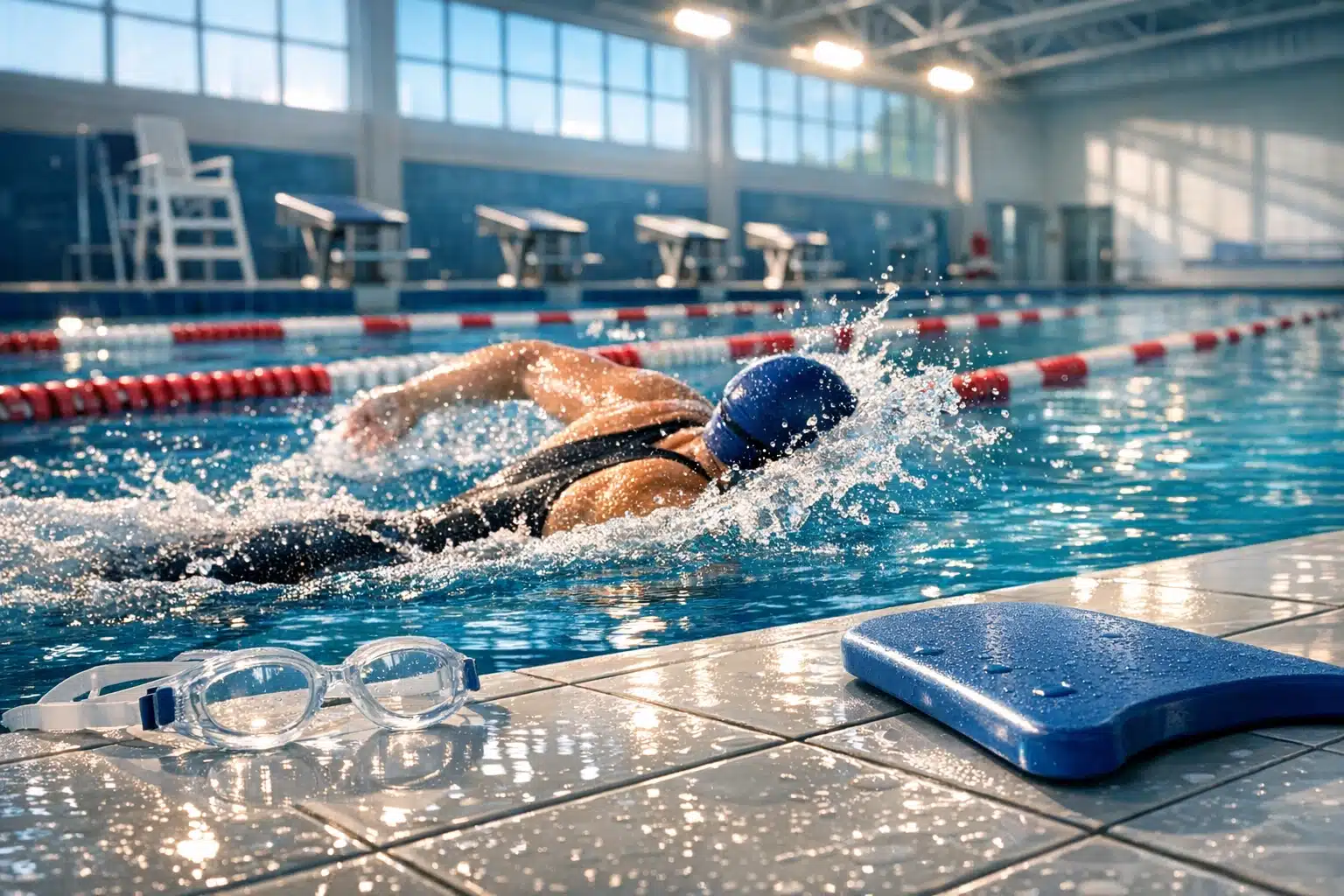
Explore the world of swimming
Swimming is one of those rare activities that feels equally at home in a school lesson, a rehabilitation clinic, a crowded public pool, and the Olympic Games. It teaches survival, builds fitness, and offers a calm, rhythmic escape from noisy routines on land. Because it combines sport, safety, health, and recreation, swimming matters to children, adults, and older people alike. This article explores how swimming works, why it is so valuable, and how anyone can approach it with more confidence.
Outline:
• Why swimming has remained important across history, public health, recreation, and sport
• How the main strokes differ in technique, speed, breathing, and practical use
• What science and experience suggest about swimming for fitness, recovery, and mental well-being
• How beginners and regular swimmers can train safely, build skill, and avoid common mistakes
• Why swimming can become a lifelong habit through community, competition, and personal meaning
Why Swimming Matters: More Than a Sport
Swimming has a special place in human life because it is not only a competitive activity but also a survival skill, a recreational pleasure, and a tool for health. Long before it appeared in modern sporting events, people swam to cross rivers, fish, travel short distances, and stay alive in dangerous situations. Today, its relevance is even broader. A child may first meet swimming through lessons at a community pool, an adult may return to it for fitness after an injury, and an older person may discover that water offers freedom of movement that solid ground no longer gives so easily.
One reason swimming remains so important is that water changes the rules of movement. Buoyancy reduces the stress placed on joints, which makes swimming very different from high-impact exercise such as running or jumping. At the same time, water creates resistance in every direction. That means even gentle laps can challenge the body in a steady, controlled way. It is a rare combination: lower impact, yet meaningful physical demand. This balance explains why swimming is used in school programs, rehabilitation settings, and elite sport alike.
Its public safety value is also difficult to ignore. According to estimates from the World Health Organization, drowning causes hundreds of thousands of deaths globally each year, making water competence a serious issue rather than a luxury. Learning to float, tread water, control breathing, and move efficiently through water can reduce risk in lakes, rivers, beaches, and pools. That practical dimension gives swimming a relevance that many sports do not share. You can enjoy football without learning it, but basic swimming skills may one day help save a life.
Swimming also serves multiple everyday purposes:
• It is a fitness activity that can improve endurance and muscular coordination.
• It is a family activity that works across generations.
• It is a leisure experience that can feel playful instead of mechanical.
• It is a confidence-building skill, especially for children and hesitant adults.
There is also something quietly compelling about the environment itself. Water muffles noise, changes posture, and slows the world into rhythm. The lane line, the echo of a whistle, the silver shimmer under pool lights, and the measured pull of each stroke can turn exercise into something almost meditative. That mix of practicality and atmosphere helps explain why swimming attracts such a wide audience. It is not only about speed or medals. It is about competence, resilience, health, and the small but memorable pleasure of moving well in a place where humans are not naturally built to live.
Understanding the Main Strokes and the Craft of Technique
To an untrained eye, swimming can look simple: arms move, legs kick, and the swimmer goes forward. In reality, good swimming is highly technical. Small changes in body position, breathing rhythm, and hand entry can make the difference between gliding efficiently and feeling as if the water is fighting back. Learning the four main competitive strokes helps explain why swimming is often described as both a physical and a technical sport.
Front crawl, often called freestyle in competition, is usually the fastest and most efficient stroke over many distances. The swimmer rotates through the torso, keeps the body relatively flat near the surface, and alternates arm recovery while using a flutter kick. Efficient front crawl depends on timing. If the head lifts too high, the hips tend to sink. If breathing is rushed, the stroke loses rhythm. Good crawl feels less like thrashing and more like threading the body through a narrow corridor of water.
Backstroke uses a similar alternating arm action, but the swimmer stays face up. Many beginners find it easier to breathe in backstroke because the face remains clear of the water most of the time. However, balance can be trickier. A dropped hip or bent neck can create drag. Backstroke often teaches valuable lessons about alignment and rotation because flaws in posture become obvious almost immediately.
Breaststroke is slower in racing terms, yet it is one of the most commonly learned strokes because its breathing pattern can feel more intuitive. The arms sweep outward and inward, while the legs perform a whip kick. Timing matters enormously. If the kick arrives too early or too late, momentum disappears. Breaststroke rewards patience and shape rather than force alone.
Butterfly is the most demanding of the four competitive strokes. Both arms recover together, and the body moves with a wave-like undulation supported by a dolphin kick. It requires strength, flexibility, and coordination, but it is not merely a power stroke. Skilled butterfly swimmers use rhythm and body connection to avoid wasting energy.
For beginners, these priorities usually matter more than speed:
• Horizontal body position to reduce drag
• Controlled exhalation in the water
• Relaxed recovery rather than tense, hurried movement
• Consistent kick that supports the stroke without dominating it
• Awareness of timing, especially when breathing
It also helps to compare swimming with land sports. In running, effort often translates visibly into motion. In swimming, more effort can sometimes make performance worse if technique collapses. Water punishes disorder. That is why coaches spend so much time on drills, balance, and feel for the water. The goal is not just to work hard, but to move well. Once that idea clicks, swimming becomes less frustrating and much more satisfying.
Health Benefits: Fitness, Recovery, and Mental Well-Being
Swimming is widely praised for health reasons, and much of that praise is deserved when it is presented realistically. It is not a magic answer to every physical problem, but it is one of the most versatile forms of exercise available. Because it combines aerobic effort, muscular work, and low-impact movement, it can suit a broad range of people, including those who struggle with pounding, repetitive land-based exercise.
From a cardiovascular perspective, swimming can help improve endurance when practiced regularly at an appropriate intensity. Laps, interval sets, and continuous steady swimming all challenge the heart and lungs in different ways. Public health guidelines in many countries recommend at least 150 minutes of moderate-intensity aerobic activity per week for adults, and swimming can contribute meaningfully to that target. Depending on pace, stroke, body size, and skill level, it can also require substantial energy expenditure. A relaxed swim is very different from a hard butterfly set, but both demand coordinated work from large muscle groups.
Swimming also trains the body differently from many gym-based activities. The shoulders, back, core, glutes, and legs all contribute, while the resistance of water spreads the load across the body. This does not automatically make swimming a strength program in the same sense as heavy resistance training, yet it does build muscular endurance and movement awareness. For people recovering from some injuries, or for those with joint discomfort, the reduced impact can make regular exercise more sustainable. That said, anyone with pain, limited mobility, or a medical condition should still follow professional advice rather than assume that any pool session is automatically appropriate.
Mental well-being is another reason many swimmers remain loyal to the water. Repetitive motion, controlled breathing, and the sensory quality of being immersed can create a calming effect. For some people, the pool offers structured quiet: no traffic, no screens, no constant interruption, only the next wall and the next breath. Others benefit from the social side of club training, aqua fitness classes, or masters sessions. In both cases, swimming can support mood, routine, and stress management.
Some practical health advantages often linked to swimming include:
• Low-impact aerobic training
• Improved coordination and body control
• A useful exercise option during some stages of aging
• Opportunity for gentle recovery sessions between harder workouts
• A structured way to develop breath control and pacing
Compared with cycling or running, swimming may be less convenient because it requires access to a suitable facility or safe body of water. It also demands technical skill before fitness gains feel comfortable. Yet once that barrier is crossed, it offers something distinctive: a full-body workout in an environment that supports movement while still challenging it. For many people, that combination is exactly what makes swimming sustainable over the long term.
Learning to Swim and Training Safely
Swimming looks graceful when performed well, but learning it can feel awkward at first. That is normal. New swimmers must adapt to an environment where breathing, balance, and vision all work differently than they do on land. A good learning process starts with respect for the water rather than fear of it. Confidence grows when skills are introduced in a logical order: floating, submerging the face, exhaling into the water, kicking with support, and then combining simple arm movements with breathing.
Formal lessons are often the fastest route to safe progress, especially for children and nervous adults. An instructor can spot habits that a swimmer may not notice, such as lifting the head too early, holding the breath, or kicking from the knees instead of the hips. Instruction also matters because poor habits can become stubborn. It is easier to learn balanced movement from the beginning than to unlearn months of inefficient technique later.
Safety should remain central at every stage. Even strong swimmers can run into trouble through fatigue, overconfidence, cold water, poor supervision, or unfamiliar conditions. Pools are controlled environments, but they still require attention to rules, lane awareness, and depth changes. Open water adds currents, temperature shifts, waves, limited visibility, and the simple difficulty of judging distance without walls or lane ropes. A quiet lake can look welcoming from shore and feel very different once you are in it.
For beginners, a sensible starting routine might include:
• Short sessions focused on technique rather than exhaustion
• Use of a kickboard or pull buoy only when it supports learning, not dependency
• Rest between lengths to maintain quality
• Practice with a lifeguard present or with a qualified coach
• Gradual exposure to deeper water after basic control is established
More experienced swimmers benefit from structure as well. A balanced session often includes a warm-up, drills, a main set, and an easy cooldown. This approach improves technique, reduces injury risk, and gives purpose to the workout. Swimmers who only sprint every lap often plateau quickly. Variety matters. Drill sets develop feel for the water, aerobic sets build endurance, and speed work sharpens coordination under pressure.
Equipment can help, but it should serve the swimmer rather than distract from fundamentals. Goggles improve visibility and comfort. A well-fitted cap may reduce drag and protect hair from pool chemicals. Fins, paddles, and snorkels can be useful training tools when introduced thoughtfully, but they are not shortcuts to skill. No piece of gear replaces body position, timing, and relaxed breathing.
In the end, safe progress in swimming comes from humility and patience. Water is wonderfully generous to those who respect it and surprisingly unforgiving to those who do not. Learn step by step, listen to qualified guidance, and let consistency do the heavy lifting. That is how skill becomes confidence, and confidence becomes real competence.
Swimming for Life: Community, Competition, and a Practical Conclusion
One of swimming’s greatest strengths is that it does not belong to only one type of person. It can be a competitive pursuit, a rehabilitation tool, a social routine, a family tradition, or a quiet personal ritual. That flexibility helps explain why swimming often stays relevant long after other sports fade from someone’s schedule. A teenager may begin with school lessons, a university student may join a club, a parent may return for fitness, and later the same person may swim simply for health, habit, and mental clarity.
The competitive side of swimming gives the sport much of its visibility. Olympic races, world championships, and national meets showcase precision, pacing, and remarkable technical mastery. Distances range from explosive sprints to endurance events, and the sport also includes relay strategy, open-water racing, artistic swimming, diving, water polo, and para-swimming pathways that broaden participation. Competition can sharpen goals and create discipline, but it is only one expression of what swimming offers.
Community matters just as much. Local pools are often underestimated public spaces. They bring together children learning water safety, adults training before work, older swimmers attending low-impact sessions, and clubs building friendships lane by lane. In many places, masters swimming has become a particularly strong example of lifelong participation. It welcomes adults with different ambitions, from former competitors chasing times to newcomers who simply want structure and support.
Swimming also teaches lessons that extend beyond sport:
• Progress is often technical before it is dramatic.
• Calm breathing can change performance more than brute effort.
• Respect for conditions is a form of intelligence, not weakness.
• Small, regular practice usually beats occasional heroic sessions.
For the target audience of this article, the most useful takeaway is simple. If you are curious about swimming, start with the version that matches your current needs. If you want safety, learn floating, breathing, and basic propulsion. If you want fitness, commit to regular, manageable sessions. If you want performance, focus on technique before volume. If you want relief from stress, treat the pool as a place of rhythm rather than a place of pressure.
Swimming rewards patience more than spectacle. At first, the water can feel demanding, even stubborn. Then something shifts: the breath settles, the stroke lengthens, the body finds alignment, and the lane begins to open in front of you. That moment is why so many people stay with swimming for years. It is useful, healthy, and quietly beautiful. Few activities offer such a complete blend of skill, safety, challenge, and pleasure.