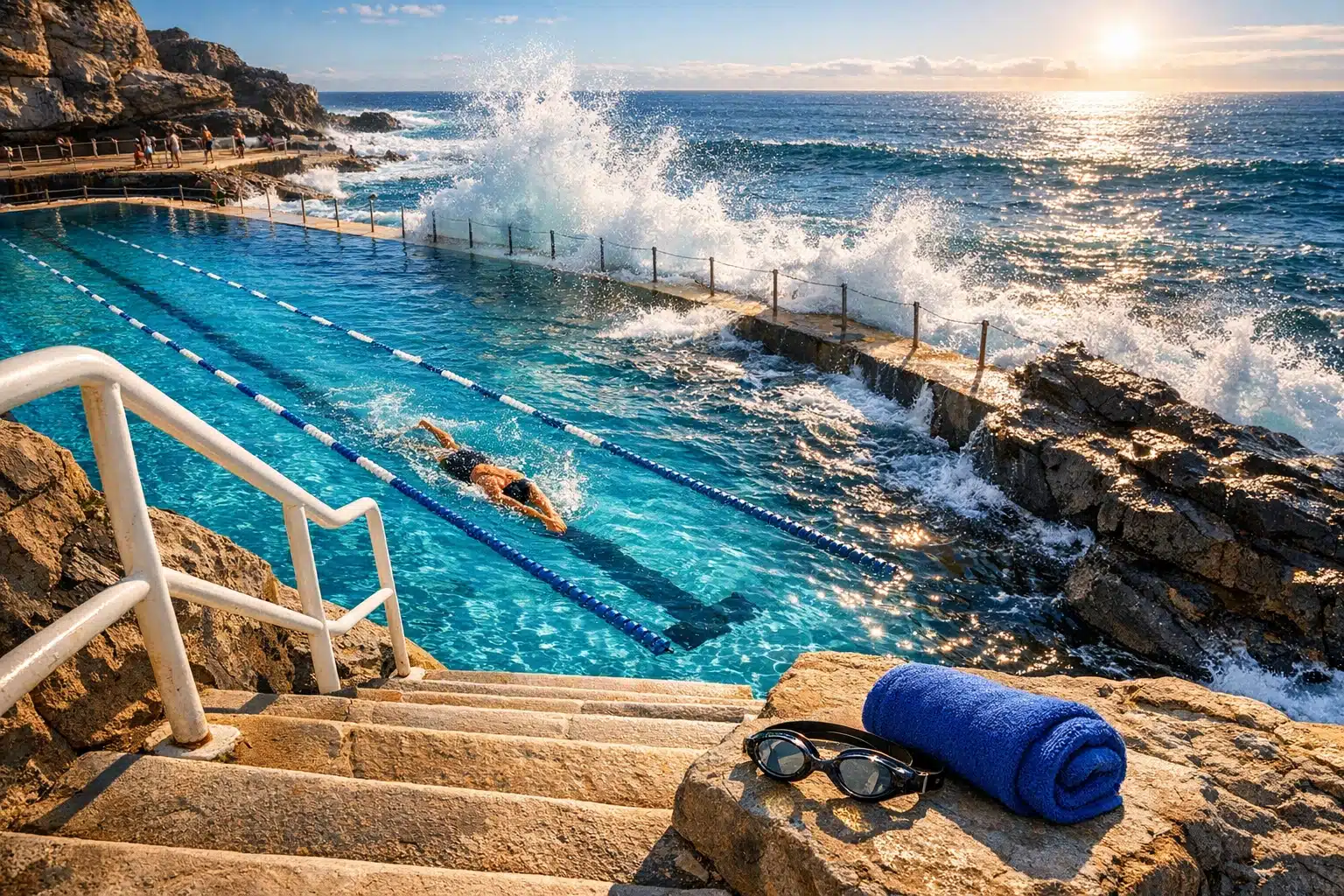
Explore the world of swimming
Swimming has a rare kind of appeal: it can feel playful on the surface and deeply technical underneath. It serves children learning confidence, adults chasing fitness, athletes seeking speed, and older swimmers protecting their joints while staying active. In a world crowded with high-impact workouts and endless screens, time in the water offers movement, focus, and relief in one place. That blend of utility and quiet freedom helps explain why swimming stays relevant across generations.
Outline: this article begins with what makes swimming distinctive as a life skill and sport, then moves into the four main strokes and the mechanics behind them. Next, it examines the health benefits of regular time in the water, followed by a practical look at safety, equipment, and training habits. It ends with guidance for readers who want to turn curiosity into a sustainable routine, whether they are complete beginners or swimmers returning after a long break.
Why Swimming Stands Apart as a Skill, Sport, and Lifelong Activity
Swimming is unusual because it is not limited to one role. For some people, it is a survival skill that can prevent panic and reduce danger around water. For others, it is a recreational escape, a competitive discipline, a form of physical therapy, or a reliable fitness habit that feels gentler than land-based exercise. Few activities can move so easily between necessity and pleasure. A child in a lesson, a triathlete in a lane, and a retiree doing steady laps may all be swimming for different reasons, yet the same environment supports them all.
Part of this broad appeal comes from the nature of water itself. Buoyancy supports body weight, which can reduce strain on joints compared with activities such as running. At the same time, water creates resistance in every direction, so even a simple movement asks muscles to work. That combination is one reason swimming is often described as low impact but not low effort. A calm lap session can look smooth from the pool deck, yet it demands coordination between breathing, posture, kick timing, and arm motion. The water gives support, but it also asks for precision.
Swimming is also remarkably adaptable across places and goals. A neighborhood pool encourages structure and repeatable training. Lakes, rivers, and the sea introduce a wilder experience shaped by temperature, weather, visibility, and currents. Competitive swimmers may care about split times, stroke counts, and turn efficiency. Casual swimmers may simply want a routine that feels refreshing after work. In both cases, the water rewards consistency more than drama. Improvement usually arrives one length at a time.
Three features help explain swimming’s reach:
• it can be learned at many ages
• it serves both safety and fitness
• it scales from gentle movement to elite performance
There is also a cultural dimension. Swimming appears in school programs, public health advice, vacation plans, Olympic broadcasts, and family memories. Many people remember the first time their face went under the surface, the first successful float, or the shock of entering a cold lake at dawn. Swimming leaves strong impressions because it changes the relationship between body and environment. On land, gravity dominates. In water, rhythm matters more. That shift is part of the magic. It turns exercise into an experience that feels at once disciplined and freeing, technical and surprisingly meditative.
The Four Main Strokes and the Core Skills Behind Efficient Movement
To understand swimming well, it helps to separate technique into two layers: foundational water skills and formal strokes. The foundation comes first. A swimmer needs comfort with submersion, controlled breathing, floating, gliding, and balance in the water. Without those basics, every stroke becomes harder than it should be. Many beginners assume success depends mainly on strength, but efficient swimming usually begins with body position. When the hips sink or the head lifts too high, the body meets more resistance. A swimmer can work harder and still move slower. That is why good coaching often starts with posture and breathing before speed.
The four competitive strokes are freestyle, backstroke, breaststroke, and butterfly, and each asks for a different kind of coordination. Freestyle, often called front crawl in technical discussion, is generally the fastest and most widely used for fitness. Its alternating arm action and flutter kick create a smooth, continuous rhythm. Breathing is typically done to the side, which means timing matters. Backstroke shares an alternating pattern but is performed on the back, allowing unrestricted breathing while demanding strong body alignment and awareness of lane position. Breaststroke is slower for most swimmers, yet highly technical. Its pull, breath, kick, and glide must occur in a precise sequence, and a mistimed kick can waste energy quickly. Butterfly is the most demanding for many learners because it pairs simultaneous arm recovery with a dolphin kick and wave-like body motion. When done well, it looks powerful and elegant. When done poorly, it feels like wrestling the water.
A useful comparison looks like this:
• freestyle usually offers the best speed-to-effort balance for fitness
• backstroke helps posture awareness and can feel easier on the neck for some swimmers
• breaststroke suits controlled pacing but depends heavily on timing
• butterfly develops power and rhythm but requires more technique and stamina
Turns, starts, and finishes matter in formal competition, but everyday swimmers benefit even more from mastering simpler elements. Exhaling underwater reduces tension. A relaxed kick prevents wasted movement. A long line from fingertips to toes improves glide. Coaches often use drills to isolate these details: kick sets with a board, single-arm freestyle, catch-up drill, sculling, or backstroke balance work. These exercises may seem repetitive, yet they teach the body what efficient movement feels like. Once that feeling clicks, swimming changes. The water no longer feels like something to fight. It becomes something to work with, and that shift is where real progress begins.
Health Benefits of Swimming: Cardiovascular Fitness, Strength, Mobility, and Mental Reset
Swimming earns its reputation as a full-body activity because it challenges several systems at once. The heart and lungs work continuously during sustained laps, especially when rest intervals are short. Muscles in the shoulders, back, chest, core, hips, and legs all contribute to propulsion or stability. Joints move through repeating patterns with less impact than many land sports. That does not make swimming easy; it makes the workload different. A runner feels repeated contact with the ground, while a swimmer deals with resistance across nearly every movement. The result can be a demanding session that leaves the body worked over without the same pounding associated with some other forms of endurance training.
For general health, swimming fits well within widely used physical activity guidance. Public health organizations commonly recommend that adults accumulate at least 150 minutes of moderate-intensity aerobic activity per week, and swimming can satisfy that target. It can also be adjusted across fitness levels. A beginner may alternate one easy length with one rest period. A regular swimmer may complete steady-state sets, interval training, or technique work. Because pace is easy to modify, the same pool can serve people recovering fitness and athletes building it.
Swimming also has value for people managing discomfort or seeking movement with less joint stress. Many rehabilitation settings and exercise professionals use water-based activity because buoyancy can reduce load on knees, hips, and the lower back. That does not mean swimming is universally suitable or automatically pain-free, especially if technique is poor. Shoulder overuse, neck tension, or lower-back strain can still occur. Yet compared with some high-impact options, the water gives many people a more forgiving place to move.
The mental side matters just as much. A lap session creates a rare pocket of focused repetition. Breathing settles into a pattern. Noise becomes muted. Visual distractions disappear beneath the surface or shrink to the black line on the pool floor. For many swimmers, this creates a reset that feels different from other exercise. It is not always calm, especially during hard training, but it often produces clarity. Even a short session can cut through mental clutter.
Common benefits include:
• improved aerobic endurance
• better muscular coordination and body awareness
• support for mobility and controlled range of motion
• a structured way to relieve stress and improve mood
Swimming is not a magical cure, and results depend on frequency, technique, recovery, and overall lifestyle. Still, its combination of cardiovascular challenge, muscular engagement, and mental refresh explains why it remains one of the most respected forms of exercise in schools, clubs, health programs, and everyday routines.
Safety, Equipment, and Smart Practice in Pools and Open Water
No discussion of swimming is complete without safety, because enjoyment in the water depends on respect for risk. Even confident swimmers can get into trouble through fatigue, poor judgment, sudden cramps, cold water, currents, or overestimating their ability. Public health agencies and safety organizations regularly emphasize that drowning remains a serious issue worldwide, which is why swimming skill should never be confused with invulnerability. Good habits matter just as much as strong technique.
For beginners, the safest path is clear: learn with qualified instruction in a supervised setting. A proper class teaches more than stroke mechanics. It covers floating, entering and exiting the water, breath control, treading water, and how to stay calm when something feels unfamiliar. That emotional side is important. Panic wastes energy and reduces decision-making. Confidence built through step-by-step practice is far more reliable than confidence based on guesswork.
Equipment in swimming is simple, but each item has a purpose. A well-fitted swimsuit reduces drag and discomfort. Goggles protect the eyes and make orientation easier. A cap can keep hair out of the face and may slightly reduce resistance. Kickboards, pull buoys, fins, and paddles are training tools rather than necessities. Used well, they isolate skills and add variety. Used carelessly, they can reinforce bad habits or place extra stress on the shoulders and ankles. For open water, additional gear becomes more important. Bright caps increase visibility. Wetsuits may improve warmth and buoyancy in cold conditions. Safety buoys can make a swimmer easier to spot and provide flotation during rest stops.
Pool swimming and open-water swimming require different forms of awareness:
• in pools, watch lane etiquette, spacing, depth markers, and fatigue
• in lakes or the sea, consider currents, temperature, visibility, weather, and entry points
• in both settings, never ignore signs of distress in yourself or others
Warm-up and progression also belong to safety. Jumping straight into high effort with stiff shoulders and hurried breathing is an invitation to poor form. A few easy lengths, mobility work, or relaxed drills prepare the body and mind. Hydration matters too, even though swimmers may not notice sweating as clearly as runners or cyclists do. Finally, solo open-water swimming deserves particular caution. Conditions change fast, and distance can deceive. The water may look peaceful from shore, then feel entirely different once a swimmer is far from it. Smart swimmers respect that difference. They plan routes, tell someone where they are going, and choose caution over pride every time.
Conclusion for New and Returning Swimmers: How to Make Swimming Part of Real Life
If you are curious about swimming, the most useful idea is this: you do not need to begin like an athlete to benefit from the water. Start where you are. A complete beginner might focus on comfort, floating, and basic breathing. Someone returning after years away may rebuild with short, easy sessions and simple goals such as ten calm lengths with steady form. A fitness-minded reader may treat swimming as cross-training that complements walking, cycling, strength work, or rehabilitation. The path changes with the person, but the first step is usually the same: choose consistency over intensity.
A practical weekly approach can be surprisingly modest. Two or three sessions are enough for many people to notice progress. One day can emphasize technique, another endurance, and a third relaxed movement or skill practice. Tracking time, distance, or perceived effort helps, but numbers are only useful when they serve learning. If every session becomes a test, motivation often fades. Swimming tends to reward patience. The breakthrough might be a smoother breath, a calmer kick, or a length that suddenly feels easier than it did last month.
For readers deciding how to begin, this checklist works well:
• take a lesson if your confidence in water is limited
• choose a pool with predictable conditions before trying open water
• build sessions around quality movement, not just distance
• rest when technique falls apart rather than rehearsing bad habits
• keep goals specific, realistic, and flexible
Swimming can remain with a person for decades because it changes form as life changes. In youth, it may build courage and coordination. In adulthood, it can deliver fitness without punishing joints. Later on, it often becomes a way to stay active, social, and mentally clear. Competitive ambition is optional. The deeper value lies in access: access to a reliable exercise habit, a safety skill, and a setting where concentration feels almost physical. Few activities offer that combination.
So the best audience for swimming is not a narrow group of gifted athletes. It is ordinary people with different bodies, schedules, ages, and goals. If that includes you, the invitation is simple. Enter the water with respect, learn the basics well, and let progress build quietly. Swimming does not need to be dramatic to be meaningful. Sometimes the most powerful achievement is a steady rhythm, a little more confidence, and the realization that the water has become a place where you belong.