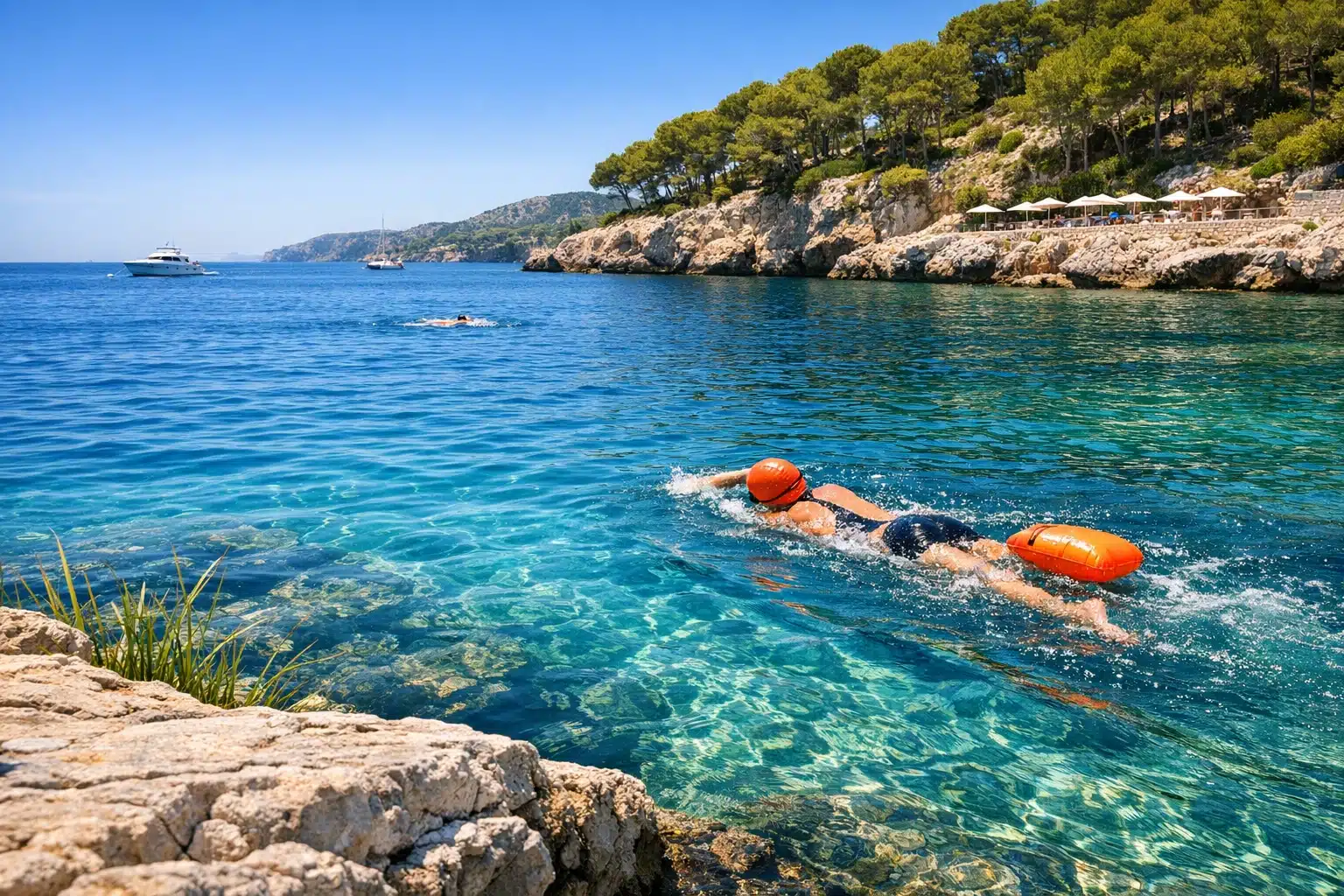
Explore the world of swimming
Introduction
Swimming sits at a rare crossroads where sport, survival skill, therapy, and recreation meet. A quiet lap in a local pool can sharpen endurance, soothe stressed joints, and teach confidence that matters far beyond exercise. From Olympic arenas to beaches and backyard lessons, it remains one of the few activities people can adapt across ages and abilities. This guide maps the essentials, the techniques, the benefits, and the practical steps that turn curiosity into time in the water.
Outline
- The place of swimming in sport, daily life, and personal safety
- The major strokes and how they differ in rhythm, speed, and difficulty
- The physical and mental benefits that make swimming widely relevant
- Training methods, gear choices, and safety habits for pools and open water
- A practical conclusion for beginners, returning swimmers, and fitness-minded readers
Swimming as Skill, Sport, and Lifelong Practice
Swimming is unusual because it matters in more than one way at the same time. It is a competitive sport with strict technique and measurable performance. It is also a life skill that can improve safety around water. Beyond that, it can be recreation, rehabilitation, social activity, and quiet personal ritual. Few activities move so comfortably between these roles. A child learning to float, a triathlete chasing faster splits, and an older adult using gentle laps for mobility are all participating in the same broad world, even if their goals are completely different.
Historically, swimming has deep roots. People have swum for travel, fishing, military training, and leisure for thousands of years. Modern organized swimming, with lanes, timing systems, and codified strokes, is only one chapter of a much older story. Today, swimming takes place in many settings: public pools, school programs, health clubs, rivers, lakes, coastlines, and competitive arenas. Each environment changes the experience. A pool offers controlled temperature, clear boundaries, and predictable conditions. Open water introduces currents, waves, visibility challenges, and a more instinctive relationship with the environment. One feels measured and geometric; the other feels alive and shifting.
For beginners, swimming often seems more technical than running or cycling, and that impression is accurate. On land, most people already know how to move themselves forward. In water, the body has to learn a new language. Buoyancy changes balance. Breathing must be timed. Small movements can waste energy or unlock efficiency. In that sense, swimming is part exercise and part problem-solving. The water does not forgive sloppy mechanics, but it does reward patience. A modest adjustment in head position or exhalation can make the difference between struggle and flow.
-
Buoyancy helps the body float, but balance still needs to be learned.
-
Breathing technique shapes comfort, timing, and endurance.
-
Propulsion comes from coordination, not force alone.
-
Relaxation matters more than many first-time swimmers expect.
That mix of challenge and accessibility is why swimming stays relevant across a lifetime. It can be playful or precise, restorative or intense. Some people come to it for medals, some for health, and some because the sound of water settling after a stroke feels like a reset button. Whatever the entry point, swimming offers a rare promise: there is always more to learn, yet it remains useful from the very first lesson.
The Main Strokes and the Technique Behind Efficient Movement
Every swimming stroke is a different solution to the same puzzle: how to move through dense water with the least wasted effort. Water is far denser than air, so technique matters enormously. A swimmer who fights the water tires quickly, while one who aligns the body well can seem to slide forward with surprising ease. The four main competitive strokes, freestyle, backstroke, breaststroke, and butterfly, each ask for a distinct rhythm, body position, and breathing pattern. Learning to compare them helps swimmers choose where to begin and where to specialize.
Freestyle, usually performed as front crawl, is the fastest and most common stroke for fitness swimming. The body stays long and horizontal, the arms recover over the surface, and the legs kick in a flutter pattern. Breathing typically happens to the side. Because the stroke alternates continuously, freestyle supports steady speed and works well for lap training, racing, and endurance development. Its main challenge is timing. New swimmers often lift the head too high to breathe, which drops the hips and increases drag. When done well, freestyle feels like a rolling chain of linked movements rather than a set of separate actions.
Backstroke uses a similar alternating arm action, but the swimmer faces upward. That makes breathing easier because the mouth stays clear of the water more often. It can feel friendlier for people who dislike turning the head to breathe. However, orientation becomes harder because the swimmer cannot see where they are going as easily. Backstroke rewards balance and a stable core. It also exposes flaws in body line quickly, since sinking hips create resistance almost immediately.
Breaststroke is often the most intuitive for beginners because the face can stay forward more frequently and the pace can feel controlled. Yet it is also technically demanding. The kick has a circular whip-like action, and the stroke relies on careful timing between pull, breath, kick, and glide. Compared with freestyle, breaststroke is slower, but many recreational swimmers find it comfortable for moderate distances. It places different stress on the knees and hips, so technique and mobility matter.
Butterfly is the most visually dramatic of the four strokes. Both arms recover together, the body undulates, and the legs perform a dolphin kick. It is powerful, elegant, and exhausting when done poorly. Butterfly demands strong timing, trunk control, and upper-body endurance. Even experienced swimmers often use it in short sets rather than long continuous swims.
-
Freestyle: fastest, efficient, ideal for endurance and general fitness
-
Backstroke: easier breathing, strong posture demands, useful for variety
-
Breaststroke: controlled pace, technical timing, popular with recreational swimmers
-
Butterfly: powerful and advanced, best approached after solid fundamentals
Beyond the named strokes, efficient swimming also depends on starts, turns, kicking drills, and sculling, which teaches swimmers to feel pressure against the water. In a way, strokes are not just motions but moods. Freestyle hums forward, breaststroke pauses and gathers, backstroke opens the chest to the ceiling, and butterfly arrives like a drumbeat. Understanding those differences turns swimming from mere effort into craft.
Why Swimming Matters for Fitness, Health, and Mental Well-Being
Swimming remains one of the most widely recommended forms of physical activity because it combines cardiovascular work, muscular engagement, and joint-friendly movement in a single practice. Public health guidance commonly recommends at least 150 minutes of moderate aerobic activity per week for adults, and swimming can help meet that target in a way many people find sustainable. Unlike high-impact exercise, it does not require repeated pounding against hard ground. The water supports part of the body’s weight, which can make movement more comfortable for people with joint sensitivity, older adults, or those returning to exercise after time away.
From a fitness perspective, swimming trains the heart and lungs while challenging multiple muscle groups at once. The shoulders, back, chest, core, hips, and legs all contribute, though the balance changes with each stroke. Because water creates resistance in every direction, even steady lap swimming asks the body to work against a constant force. That is one reason a moderate pool session can feel both calming and demanding. A runner may finish a workout with sore calves; a swimmer often leaves feeling evenly used from fingertips to feet.
The benefits extend beyond general conditioning. Swimming can improve coordination, posture, and breath control. People who spend long hours seated often notice that water encourages length through the spine and a more active upper back. For some individuals under professional guidance, aquatic exercise is also useful in rehabilitation or gradual conditioning because movement can be practiced with less impact than many land-based alternatives. It is not a universal solution and does not replace medical advice, but its versatility is one reason clinicians, coaches, and physical activity specialists frequently recommend it.
-
It supports aerobic fitness and muscular endurance at the same time.
-
It can be easier on joints than many impact-heavy activities.
-
It develops breath control and body awareness.
-
It suits a wide range of ages, goals, and experience levels.
Mental well-being is another important part of the picture. Swimming often creates a focused state that resembles moving meditation. The repetition of strokes, the sound of water, and the discipline of breathing can narrow attention in a helpful way. For some people, that rhythm reduces stress and improves mood. Group lessons and masters programs also add a social element, which matters because long-term exercise habits are easier to maintain when they include community and accountability.
Still, swimming is not magic. Poor technique can limit progress, and inconsistent attendance will not produce much change. Results depend on regular practice, sensible training, and realistic expectations. Yet that is part of its appeal. Swimming rewards patience instead of shortcuts. Over time, the benefits accumulate quietly: better stamina, more confidence in the water, improved movement quality, and the rare pleasure of feeling both lighter and stronger at once.
Training, Safety, and Gear: How to Build Good Habits in the Water
A strong swimming routine begins with a simple truth: frequency and technique usually matter more than heroic effort. Many new swimmers assume they need long sessions to improve, but shorter, focused workouts are often more effective. A beginner might make better progress with three manageable sessions per week than with one exhausting weekend swim. The body learns patterns through repetition, and swimming is especially dependent on motor learning. If the stroke falls apart after a few lengths, more distance is not always the answer. Better form usually beats more struggle.
A practical session often includes four parts. First comes an easy warm-up to settle breathing and raise body temperature. Next come drills that isolate a skill, such as body rotation, kicking balance, or controlled exhalation underwater. Then a main set adds structure, perhaps short repeats with rest for newer swimmers or longer intervals for experienced athletes. Finally, a cool-down helps bring the effort level down while reinforcing relaxed technique. Even a 30-minute workout can be productive when it has a purpose.
-
Warm-up: easy lengths with gentle focus on posture and breath
-
Drills: one technical theme, repeated with attention
-
Main set: intervals matched to current ability
-
Cool-down: slow swimming to reset rhythm and form
Safety deserves equal attention. In pools, that means respecting lane etiquette, knowing one’s limits, and staying aware of other swimmers. In open water, the stakes are much higher. Conditions can change quickly, and distance often feels longer than it appears from shore. Swimmers should avoid going alone, check weather and water conditions, use designated areas when possible, and understand local hazards such as currents or sudden temperature changes. Bright swim caps and tow floats can improve visibility in some settings. Confidence is valuable, but caution is wiser.
Gear can support progress, though it does not replace skill. The essential items are modest: a comfortable suit, goggles that fit well, and access to safe water. A swim cap can reduce drag and keep hair contained, but it is optional in many recreational settings unless a pool requires it. Training tools such as kickboards, pull buoys, fins, and hand paddles can be useful when used with purpose. Fins may help beginners feel body position more clearly; paddles can build strength and reveal flaws in hand entry, but they should be used carefully to avoid shoulder strain. The best gear is not the most expensive gear. It is the gear that supports consistent, comfortable practice.
Common mistakes are often surprisingly small. Looking forward instead of down can disrupt alignment. Holding the breath creates tension. Kicking too hard can waste energy, especially in distance swimming. Rushing every length prevents technical learning. Many swimmers improve simply by slowing down enough to notice what the water is telling them. Lessons, video feedback, or occasional coaching can accelerate that process.
It is also worth noting that swimming can be adapted for many bodies and circumstances. Adaptive aquatics, water walking, and modified drills make participation possible for people with different physical needs or confidence levels. That flexibility is one of swimming’s greatest strengths. It meets people where they are, then offers a clear path forward: safer habits, cleaner technique, and gradually earned endurance.
Conclusion for Beginners, Returning Swimmers, and Fitness-Minded Readers
If you are standing at the edge of swimming as a complete beginner, a lapsed former swimmer, or someone searching for a sustainable form of exercise, the most useful takeaway is this: swimming does not ask for perfection on day one. It asks for familiarity, patience, and repetition. The water may feel awkward at first, but awkwardness is not failure. It is the early stage of learning a skill that blends instinct with technique. Once that clicks, even briefly, swimming starts to feel less like a test and more like a conversation.
For beginners, the priority should be comfort and safety before speed. Learning how to breathe, float, and move calmly matters far more than counting laps. For adults returning after years away, it helps to drop old expectations and treat the first few sessions as orientation rather than performance. For fitness-focused readers, swimming can become an excellent training pillar, especially when balanced with realistic goals and some attention to form. And for parents or caregivers thinking about younger swimmers, the value extends well beyond sport. Water confidence is practical, protective, and empowering.
The broader lesson from swimming is that progress often hides inside small details. A better exhale, a steadier head position, or a smoother kick can transform an entire session. That is encouraging, because it means improvement is available even without dramatic changes. You do not need elite ambition to benefit from swimming. You need access to safe water, a plan simple enough to repeat, and the willingness to keep learning.
-
Start with comfort, not comparison.
-
Choose consistency over occasional epic workouts.
-
Use instruction and feedback when possible.
-
Respect safety rules in every environment.
Swimming can be playful, competitive, therapeutic, or quietly restorative, and that range is exactly why it remains relevant. It belongs to school lessons and professional sport, to rehabilitation pools and summer afternoons, to disciplined training blocks and peaceful solo laps before work. For the reader wondering whether it is worth the effort, the answer is simple: few activities offer this combination of skill, fitness, resilience, and longevity. Step in thoughtfully, learn steadily, and the water will give back far more than a workout.