A Practical Guide to Growing Healthy Plants
Plants do far more than decorate a shelf or soften a garden border. They support pollinators, buffer heat, improve comfort in lived spaces, and reconnect people with seasonal change that busy routines often blur. Even so, many beginners feel defeated by yellow leaves, dry stems, or roots sitting in soggy soil. This guide explains how healthy plants grow and shows how better choices about light, water, soil, and observation can lead to stronger, steadier results.
Outline
- How plants grow, what they need, and why different species respond differently to the same conditions
- Daily and seasonal care routines, including watering, feeding, repotting, pruning, and placement
- Common problems, practical solutions, and habits that help beginners become confident long-term growers
Understanding What Plants Need to Thrive
Every healthy plant begins with a simple equation: the right light, the right amount of water, workable soil, suitable temperature, and enough time to establish roots. Miss one of those pieces, and growth slows. Disturb two or three, and the plant starts sending quiet signals that something is wrong. A plant is never random. It reacts to conditions in measurable ways, even when those reactions first appear as something small, such as a pale new leaf or a stem leaning toward a window.
Light is often the most misunderstood factor. Many indoor growers assume a bright room automatically means bright light for plants, but human eyes adjust easily and can make a dim corner seem usable. In reality, many flowering plants and most vegetables need strong direct sun for several hours a day, while numerous popular houseplants, such as pothos, philodendrons, and peace lilies, evolved in forest understories and usually perform better in bright indirect light. That difference matters. A basil plant on a shaded sill may stay alive but grow thin and weak, while a fern in harsh afternoon sun can scorch in a single day.
Water creates a second layer of complexity. Plants need moisture, yet roots also need oxygen. When soil stays saturated for too long, air spaces disappear, and roots struggle to function. This is why overwatering is not simply “too much water at once.” More often, it means watering too frequently for the plant, pot size, season, and soil mix. Succulents, for example, store moisture in leaves and stems, while leafy tropical plants usually prefer more consistent hydration.
Soil is not just something that holds a plant upright. It acts as a reservoir for water, nutrients, and air. A good potting mix drains well but still retains enough moisture to support root uptake. Garden soil, by contrast, varies greatly depending on location. Clay holds water longer, sand drains quickly, and loam usually offers the best balance. If you know the material around the roots, you understand half the plant’s behavior.
- Plants grown for foliage often tolerate lower light than plants grown for flowers or fruit.
- Container plants dry out faster than in-ground plants because their root zone is limited.
- Growth usually accelerates during warm, bright months and slows during cooler, darker periods.
The final piece is species awareness. Not every plant wants the same life. A rosemary plant prefers sun, airflow, and leaner conditions. A calathea often wants filtered light and more stable humidity. A tomato races upward in full sun and rich soil, while a snake plant stays patient, almost stern, in conditions that would frustrate many other species. Once you stop asking what plants need in general and start asking what this plant needs in this spot, care becomes more accurate and far less stressful.
Building a Practical Care Routine for Indoor and Outdoor Plants
Healthy growth depends less on occasional bursts of effort and more on consistent routines. Many plants decline not because their owner lacks enthusiasm, but because care happens in reaction to problems rather than in rhythm with the plant’s needs. A reliable routine creates stability, and stability is what roots, leaves, and new shoots respond to best.
Start with observation before action. Instead of watering on the same day every week without checking conditions, look at the soil, the leaves, and the pot weight. For many houseplants, inserting a finger into the top inch of soil is a useful test. If that layer is still damp, it is often better to wait. Outdoors, weather changes the schedule dramatically. A planted bed after several cool, cloudy days may need little attention, while the same area in midsummer heat can dry much faster than expected.
Watering technique also matters. Top-watering is standard and works well when you water thoroughly enough for excess moisture to leave the drainage holes. That flush helps prevent salt buildup from fertilizer. Bottom-watering, where a pot sits briefly in shallow water, can help with very dry mixes or delicate seedlings, but it should not replace all top-watering forever. Each method has value. The important comparison is not which one sounds more advanced, but which one fits the plant’s condition and the grower’s routine.
Feeding is another area where moderation beats impulse. Plants use nutrients such as nitrogen, phosphorus, and potassium, yet more fertilizer does not equal faster health. Excess feeding can burn roots or push soft growth that collapses under stress. During active growth, many gardeners use a diluted balanced fertilizer every few weeks, while slow-growing plants may need far less. Reading the label matters, but so does reading the plant. Deep green leaves, steady growth, and normal size often signal that the current plan is working.
Repotting and pruning round out the routine. A rootbound plant may dry out too quickly, stall in growth, or send roots in circles around the pot. Moving it one size up often helps more than choosing a huge container, which can stay wet too long. Pruning removes dead, damaged, or crowded growth and improves airflow. In edible gardens, pinching herbs such as basil can encourage bushier shape and delay flowering.
- Check soil moisture before watering.
- Match fertilizer strength to the season and growth rate.
- Use pots with drainage whenever possible.
- Rotate indoor plants so growth stays balanced.
- Clean dust from leaves, since dirty foliage captures less light efficiently.
Seasonal adjustment is what separates routine care from thoughtful care. Winter often means shorter days, slower growth, and reduced water use for indoor plants. Spring invites repotting, feeding, and fresh growth. Summer increases evaporation and may require shade protection for sensitive species. Autumn is a moment to reduce feeding and prepare outdoor plants for cooling temperatures. Gardening can feel like maintenance, but on good days it feels more like conversation: the plant changes tone, and you learn to answer.
Solving Common Plant Problems and Growing with Confidence
Even well-cared-for plants run into trouble. Leaves yellow, stems droop, tips brown, pests appear, and suddenly a calm windowsill feels like a crisis zone. The good news is that most problems can be traced back to a short list of causes: light imbalance, poor watering habits, weak drainage, nutrient issues, pests, or environmental stress. The skill is not avoiding every mistake. The skill is learning how to diagnose patterns before the plant declines too far.
Yellow leaves, for instance, can mean different things depending on context. One old leaf fading near the base may be natural aging. Several soft yellow leaves combined with wet soil often point to overwatering. Crispy yellowing with bone-dry mix suggests underwatering or excessive heat. Brown tips can come from dry air, inconsistent watering, mineral-heavy water, or fertilizer buildup. This is why a single symptom should never be judged in isolation. A thoughtful grower checks the whole picture: leaf texture, root smell, recent weather, pot size, and light exposure.
Pests are another common challenge, especially indoors where natural predators are limited. Aphids cluster on tender growth, spider mites leave fine webbing and pale speckling, and fungus gnats usually indicate persistently wet soil. Early action works best. Isolating the affected plant, rinsing foliage, pruning heavily infested areas, and improving airflow can make a major difference. In many cases, insecticidal soap or neem-based treatments are used carefully and repeatedly rather than once in panic. Outdoors, encouraging biodiversity often helps. A lively garden with pollinators, beneficial insects, and varied planting tends to regulate itself more effectively than a stressed monoculture.
Confidence grows when you keep records. Note where a plant sits, how often it dries, when it was repotted, and how it responded after feeding. A short notebook entry can solve a mystery months later. This is especially useful for people growing herbs, vegetables, or collections with different needs. It turns gardening from guesswork into informed trial and adjustment.
- Inspect new plants before placing them near established ones.
- Quarantine any plant that shows pests or disease symptoms.
- Use clean tools and fresh potting mix when repotting.
- Change only one major factor at a time so results are easier to interpret.
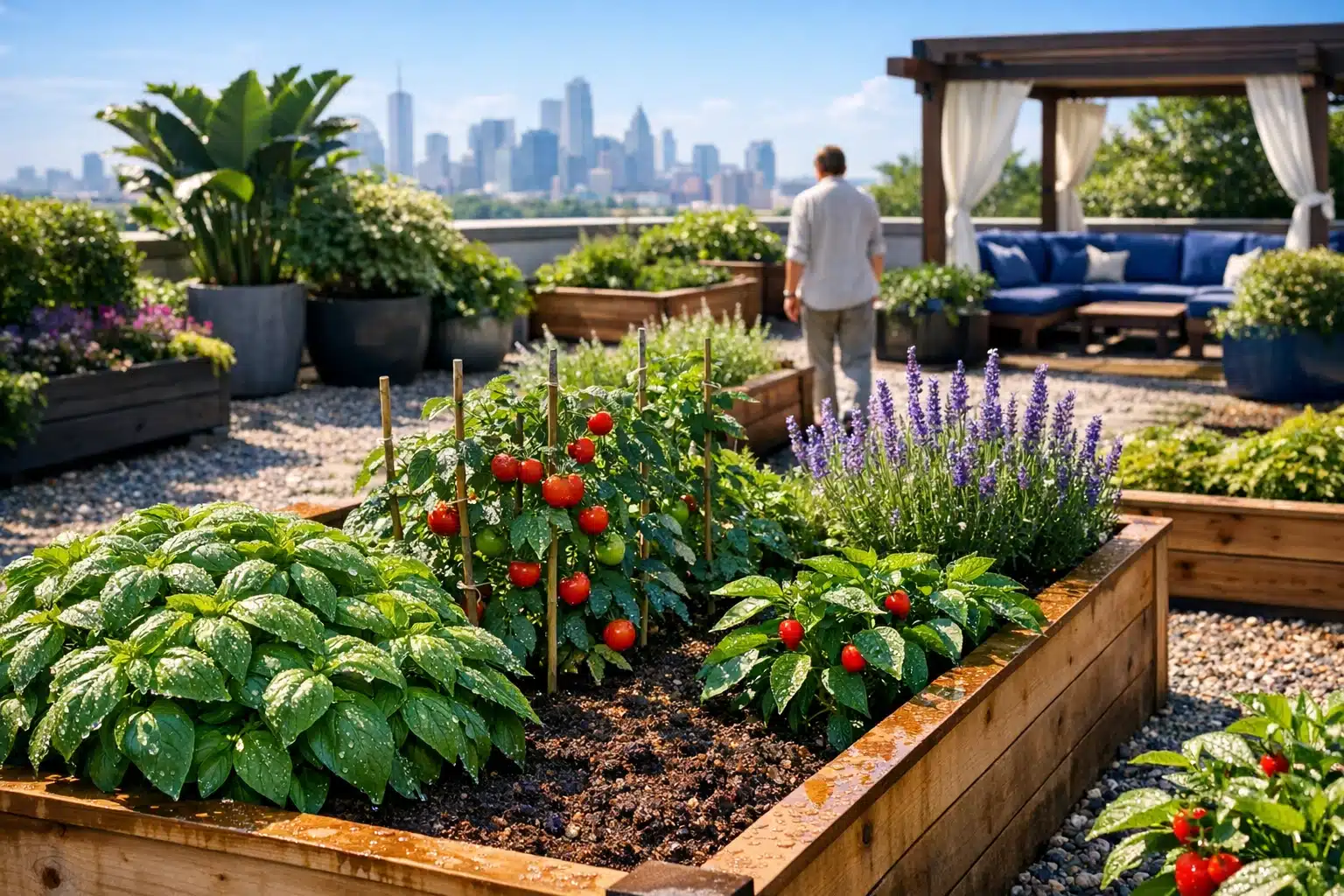
Long-term success also means accepting that some plants simply suit your space better than others. A bright balcony may reward tomatoes, lavender, and peppers. A low-light apartment may favor ZZ plants, cast iron plants, and pothos. Matching plant choice to real conditions is wiser than fighting the room. With experience, even setbacks become useful. A failed cutting teaches timing. A scorched leaf teaches placement. A collapsed seedling teaches restraint. Plants ask for patience, but they return something rare in modern life: visible progress shaped by quiet care.
Conclusion for Home Gardeners and Plant Beginners
If you are trying to grow healthier plants at home, the most valuable habit is careful observation paired with steady adjustment. You do not need perfect instincts, expensive tools, or a flawless record to succeed. You need to understand the basics, respond to what the plant is showing you, and choose species that fit your actual light, space, and schedule. With that approach, plant care becomes less confusing, more rewarding, and much easier to sustain over time.