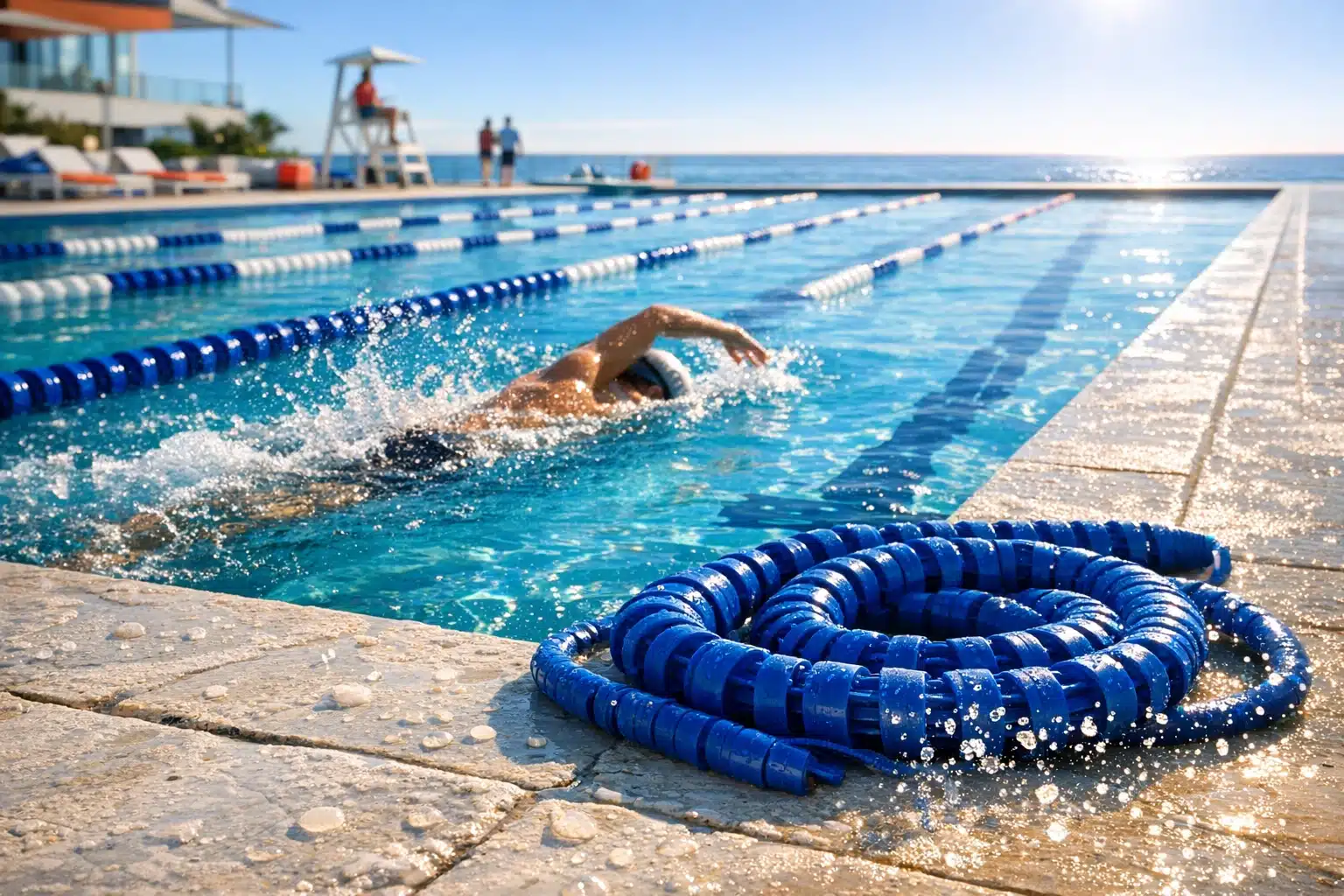
Explore the world of swimming
Swimming is one of the rare activities that blends recreation, survival, exercise, and sport in a single movement through water. It matters to children learning safety, adults looking for low impact fitness, and athletes chasing efficiency and speed. From calm laps in a local pool to open water challenges shaped by wind and current, swimming rewards technique as much as effort. This article explores why it remains so relevant, how it benefits the body and mind, and what beginners and enthusiasts should know.
Outline: This article begins by explaining why swimming matters as a life skill, a sport, and a lifelong leisure activity. It then examines the physical and mental health benefits that make swimming stand out among other forms of exercise. The third part breaks down the main strokes, breathing patterns, and technique basics that shape efficient movement. The fourth section compares pool swimming with open water experiences and highlights equipment and safety considerations. The final section offers practical guidance for building a sustainable swimming habit and closes with a reader focused conclusion.
Why Swimming Matters Beyond the Pool
Swimming occupies a special place in human life because it is both deeply practical and surprisingly poetic. On one level, it is a survival skill. Knowing how to float, tread water, and move with control can reduce panic and increase safety in lakes, pools, rivers, and coastal areas. On another level, swimming is a sport with a rich competitive tradition, from local school meets to the Olympic Games. It is also a leisure activity that can feel almost meditative, especially when the world narrows to the sound of bubbles, the rhythm of breathing, and the repeating line at the bottom of the lane.
Its relevance stretches across age groups. Children often begin with water confidence and basic safety lessons, which can support lifelong comfort in aquatic settings. Adults may turn to swimming because it offers exercise without the pounding associated with running or court sports. Older people often appreciate how buoyancy allows movement that might feel difficult on land. This wide reach makes swimming unusual. Many activities are highly age specific, but swimming can remain useful and enjoyable from early childhood to late adulthood.
Swimming also crosses cultural and geographic boundaries. In some communities, it is central to education and public safety. In others, it is tied to recreation, tourism, or national sporting pride. Coastal regions may see swimming as part of daily life, while inland towns often treat the local pool as a social hub where fitness, lessons, and community events meet. The meaning changes by place, yet the core value remains stable: water asks people to learn respect, control, and awareness.
There is another reason swimming continues to matter. It teaches a direct lesson about efficiency. In water, force alone is rarely enough. A tense swimmer wastes energy, while a skilled swimmer glides farther with less effort. That contrast makes swimming intellectually interesting as well as physically demanding. Progress often comes from small technical improvements rather than dramatic bursts of power.
Consider what swimming can offer in one discipline:
• safety and self rescue skills
• structured athletic development
• social connection through clubs and classes
• active recovery and low impact movement
• access to open water recreation and travel experiences
Very few activities cover all of those needs at once. Swimming does not simply train the body; it reshapes the way people relate to water, risk, movement, and patience. That broad relevance is exactly why it deserves attention far beyond the image of someone doing laps in a bright blue pool.
Health Benefits for Body, Mind, and Long Term Fitness
Swimming is often recommended because it combines cardiovascular exercise, muscular engagement, and joint friendly movement in a single session. When the body is immersed in water, buoyancy reduces the load placed on bones and joints. In neck deep water, the body can feel dramatically lighter, which is one reason aquatic exercise is popular among people recovering from injury, managing arthritis, or easing back into fitness after a long break. That reduction in impact does not mean the workout is easy. Water creates resistance in every direction, so even controlled movements demand effort.
From a cardiovascular perspective, swimming can help improve heart and lung function when practiced consistently. Public health guidance in many countries recommends at least 150 minutes of moderate intensity aerobic activity per week for adults, and swimming can contribute meaningfully to that target. A steady lap session may raise the heart rate without the repeated ground impact of jogging. Depending on stroke, pace, and body size, many adults can burn roughly 400 to 700 calories in an hour of swimming. Faster intervals or more demanding strokes can push that number higher, while gentle technique work will generally land lower.
The muscular benefits are equally notable. Front crawl recruits the shoulders, chest, back, core, and legs in a coordinated pattern. Breaststroke emphasizes timing and lower body propulsion in a different way. Butterfly is famously demanding, while backstroke develops posture and shoulder control from another angle. Unlike some gym routines that isolate one muscle group at a time, swimming asks the body to link many regions into a continuous chain of movement.
Mental health deserves equal attention. Repetitive laps can create a focused state that many swimmers describe as calming. The breath cycle encourages rhythm, and the sensory environment is different from noisy land based workouts. Some people use swimming to manage stress after work, while others appreciate the confidence that comes from mastering a difficult technique. Finishing a session often leaves a quiet sense of progress rather than the mental clutter of a crowded day.
Swimming may support well being in several practical ways:
• it can improve endurance over time
• it often suits people seeking low impact exercise
• it may help with mobility and balance
• it can fit both competitive and recreational goals
• it offers variety through strokes, drills, intervals, and distance work
No exercise is perfect for everyone, and access to pools, lessons, or safe water can be a real barrier. Even so, swimming remains one of the most adaptable forms of movement available. It meets beginners gently, challenges advanced athletes seriously, and gives many people a sustainable path toward better health without demanding that every session feel punishing.
Understanding Strokes, Breathing, and Efficient Technique
To an observer, swimming can look simple: jump in, move your arms, kick, and go. In practice, technique changes everything. A beginner may fight the water and feel exhausted after one length, while a trained swimmer seems to slide through the lane with calm precision. The difference usually comes down to body position, timing, breathing, and the ability to reduce drag. Water is less forgiving than air. Small technical flaws that would barely matter in another sport can quickly waste energy here.
The four main competitive strokes each have their own logic. Front crawl, often called freestyle in races, is usually the fastest and most common stroke for fitness swimming. It relies on a streamlined body line, a flutter kick, and alternating arm recovery. Backstroke uses a similar alternating rhythm but on the back, which can help swimmers work on alignment and shoulder movement while breathing more freely. Breaststroke is slower for most people, yet highly technical, with a distinct pull, breath, kick, and glide sequence. Butterfly is powerful and visually striking, but it requires strong timing, trunk coordination, and efficient undulation to be sustainable.
Breathing is one of the biggest hurdles for newcomers. Many beginners try to lift the head too high, which drops the hips and increases resistance. A better approach is to keep the body long and rotate or rise only enough to take air. Exhaling underwater matters just as much as inhaling above it. When swimmers hold their breath, tension builds, rhythm collapses, and fatigue arrives early. Good breathing feels less like a dramatic gasp and more like part of the stroke itself.
Technique work often starts with a few core ideas:
• keep the body as horizontal as possible
• enter the water with control rather than slapping the surface
• use the kick to support balance, not only speed
• finish each stroke with intention
• relax enough to let the water carry part of the load
Drills help translate those ideas into habit. Kicking with a board can build leg awareness, although overusing boards may distort body position if done carelessly. Side kicking drills improve balance and rotation. Single arm drills reveal flaws in timing. Sculling helps swimmers feel how the hands catch water rather than simply pass through it. Coaches often return to these basics because better swimming rarely comes from brute effort alone.
That is part of the beauty of the sport. Technique creates an endless conversation between the swimmer and the water. Every length provides feedback. The water tells the truth immediately: when the body is aligned, movement feels smooth; when mechanics unravel, progress becomes noisy and expensive. Learning to read that feedback is what transforms swimming from hard labor into skilled motion.
Pool Swimming and Open Water: Two Worlds, One Discipline
Swimming in a pool and swimming in open water share a common foundation, yet they can feel like two different sports. A pool is controlled. Distances are known, water quality is monitored, lanes provide order, and walls create natural points for rest or turns. This environment is ideal for learning technique, measuring pace, and following structured training sets. A swimmer can count lengths, target split times, and repeat drills with precision. For beginners, the predictability of the pool often reduces anxiety and makes instruction far easier.
Open water introduces a different kind of conversation. Lakes, rivers, and the sea bring currents, waves, temperature shifts, limited visibility, and changing weather. There are no lane ropes, no tiled lines, and often no reassuring wall within a few seconds. Navigation becomes part of the challenge, as swimmers must sight ahead without disrupting rhythm too much. Even strong pool swimmers sometimes discover that open water demands a fresh set of skills, especially when the surface is choppy and the route is imperfect.
The emotional difference is just as important as the technical one. Pool swimming can feel clean, repetitive, and measurable. Open water can feel expansive, unpredictable, and slightly wild. One invites precision; the other rewards adaptability. Neither experience is automatically better. Some people love the discipline of sets, intervals, and stopwatch driven progress. Others are drawn to the feeling of crossing a bay at sunrise or moving through a quiet lake where each stroke seems to widen the world.
Equipment needs also shift with the environment. In a pool, basic gear may include a swimsuit, goggles, cap, and perhaps a kickboard or pull buoy during training. Open water swimmers might add a bright cap, tow float, wetsuit in colder conditions, anti chafing balm, and safety whistle depending on local rules and conditions. Visibility and supervision matter more outdoors, especially where boats, tides, or sudden weather changes are possible.
A practical comparison looks like this:
• pools offer controlled training and easy pacing
• open water develops navigation and adaptability
• pools are better for technical repetition
• open water requires stronger safety planning
• both settings benefit from partner awareness and clear boundaries
For anyone moving from one environment to the other, respect is essential. A pool can teach discipline, but open water insists on humility. Strong swimmers still need to check water temperature, currents, access points, and emergency support. The smartest approach is not to romanticize either setting. Learn in the pool, expand carefully outdoors, and let skill grow alongside judgment.
A Practical Conclusion for Future Swimmers
If you are curious about swimming, the good news is that progress does not require a dramatic start. You do not need elite speed, expensive gear, or a perfect body type to belong in the water. What you do need is consistency, patience, and enough humility to learn well. For beginners, that may mean starting with lessons that focus on floating, breathing, and comfort rather than distance. For returning swimmers, it may involve short sessions that rebuild confidence before intensity. For experienced athletes, it may mean refining one technical detail that unlocks meaningful improvement.
A sustainable swimming habit usually grows from structure. Two or three sessions per week can be enough to build momentum, especially when each session has a simple purpose. One day might emphasize easy endurance. Another could focus on drills and form. A third might include short intervals with rest, allowing the swimmer to experience speed without losing control. This kind of variety keeps the mind engaged and reduces the dullness that sometimes discourages new participants.
It also helps to set goals that are specific and realistic. Instead of chasing vague ideas like getting better soon, a swimmer might aim to swim continuously for ten minutes, learn bilateral breathing, complete a safe open water introduction, or improve efficiency over a set distance. Measurable goals create a clearer sense of direction. They also make success visible, which matters in a sport where progress can feel subtle from day to day.
For readers deciding whether swimming is worth their time, the answer depends on what they want from movement. If they need a joint friendly workout, swimming offers strong value. If they want a technical sport with endless room for refinement, it delivers that too. If they hope for a skill that combines safety, fitness, and recreation, few activities compare.
Keep these closing ideas in mind:
• start with safety and confidence before speed
• treat technique as a long term investment
• use steady practice rather than heroic sessions
• respect different environments and your own limits
• allow enjoyment to remain part of the process
Swimming rewards people who return to it. The water does not care about status, age, or yesterday’s excuses; it responds to attention, rhythm, and skill. For the casual reader, the health seeker, the parent, the athlete, or the nervous beginner, that is the real invitation. Step in carefully, learn deliberately, and let the water teach you something useful each time you swim.