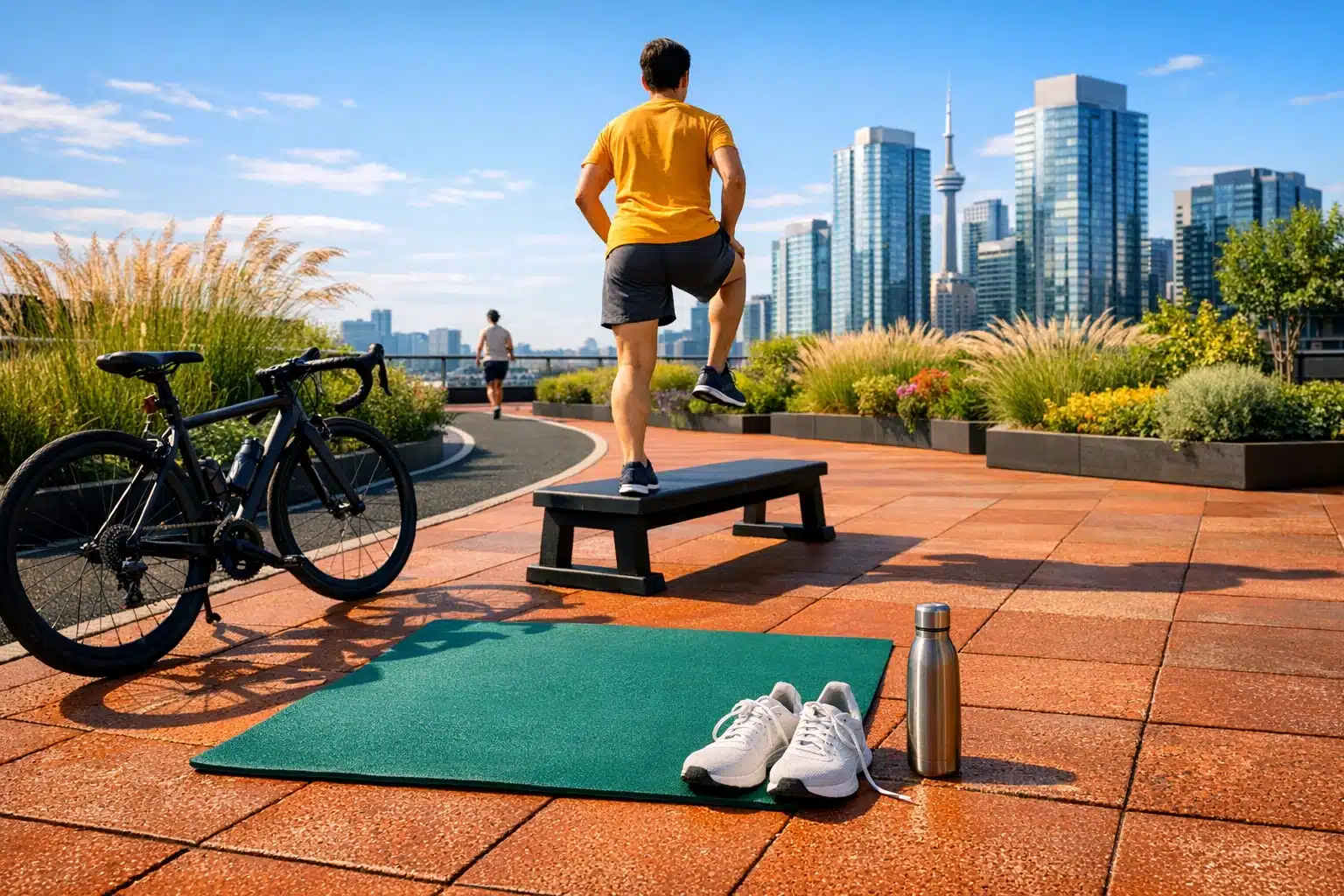
A Beginner’s Guide to Sports and Physical Activity
Sports are more than organized games; they are one of the simplest ways to improve health, build discipline, and connect with other people. For beginners, physical activity can feel confusing because the options range from walking and cycling to football, swimming, and strength training. This guide explains why sports matter, compares major activity types, and shows how to start in a realistic way that fits everyday life.
Outline
• Why sports matter for physical health, mental wellbeing, and social connection
• How different sports compare in terms of intensity, skill, cost, and accessibility
• How beginners can choose an activity, avoid common mistakes, and stay consistent over time
Why Sports Matter for Health, Focus, and Everyday Life
At the most basic level, sports help the body do what it was built to do: move, adapt, and become more capable over time. Regular physical activity improves cardiovascular fitness, strengthens muscles and bones, supports joint function, and helps the body use energy more efficiently. Public health guidance reinforces this point. The World Health Organization recommends that adults aim for 150 to 300 minutes of moderate-intensity aerobic activity each week, or 75 to 150 minutes of vigorous activity, along with muscle-strengthening work on two or more days. That target can sound large at first, but even small amounts of movement are better than none, and sports often make those minutes feel less like a chore.
The benefits are not limited to the heart and lungs. Physical activity is strongly associated with better mood, lower stress, improved sleep, and stronger cognitive function. A beginner may notice this in simple ways before any major fitness milestone appears: climbing stairs feels easier, concentration improves during work or study, and evening fatigue becomes less heavy. That change can seem quiet, almost like a room gradually filling with light, but it matters. Sports give structure to effort, and structure often helps people stay engaged far longer than vague intentions do.
Sports also create social value. Team activities such as basketball, football, and volleyball naturally build communication, accountability, and shared purpose. Individual sports like running, tennis, swimming, or martial arts offer a different kind of reward: self-comparison over time. Instead of trying to beat someone else, a person may focus on improving pace, technique, balance, or endurance. Both approaches are useful, and the better choice often depends on personality. Someone energized by group settings may thrive in a club or league, while a more independent beginner may prefer solo sessions with measurable goals.
There are practical long-term gains as well:
• Better mobility and balance can support healthy aging
• Weight management becomes easier when activity is consistent
• Bone-loading sports can help maintain bone density
• Routine movement may reduce the risk of chronic conditions linked to inactivity
For beginners, the key idea is simple: sports are not only for elite athletes or highly competitive people. They are a flexible tool for health, confidence, and enjoyment. Whether the activity is brisk walking in a local park or joining a beginner tennis class, the value comes from participation and consistency, not from perfection.
Comparing Common Sports and Physical Activities
Not all sports challenge the body in the same way, and that is exactly why the category is so useful. A beginner does not need to force a single model of fitness. Some activities emphasize endurance, others reward explosive power, and many combine skill, strategy, and coordination. Understanding those differences makes it easier to choose an option that matches current fitness, available time, and personal interest.
Endurance-based activities such as running, cycling, rowing, and swimming are often chosen for cardiovascular benefits. They are excellent for improving stamina, and progress can be tracked through distance, pace, or duration. Running is relatively low-cost because it requires little equipment, but it can place repeated stress on joints if training volume rises too quickly. Swimming is gentler on the joints and trains the whole body, yet access to a pool may limit convenience. Cycling works well for people who enjoy outdoor movement and sustained effort, though equipment costs can vary widely.
Team sports provide a different experience. Football, basketball, hockey, and volleyball combine bursts of speed with decision-making under pressure. These sports can improve agility, coordination, and reaction time while also making exercise more entertaining for those who dislike solitary workouts. The challenge is that they may have a steeper entry barrier for beginners because game rules, technical skills, and teamwork affect the experience. A new player can still benefit greatly, especially in recreational settings where learning matters more than winning.
Strength-focused activities deserve equal attention. Weight training, calisthenics, climbing, and some martial arts help build muscular strength, stability, and body control. Strength work is especially valuable because muscle mass, power, and balance support daily function, injury prevention, and healthy aging. A person who can carry groceries comfortably, rise from the floor easily, or keep better posture during long workdays is already seeing sport translate into life. Strength training also pairs well with endurance sports, creating a more balanced foundation.
For quick comparison, beginners can think in these terms:
• Running: accessible, efficient, higher impact
• Swimming: full-body, low impact, less accessible
• Cycling: joint-friendly, scalable, equipment dependent
• Team sports: social, dynamic, skill-heavy
• Strength training: practical, measurable, technique important
• Yoga or mobility classes: supportive, restorative, lower cardiovascular demand
The best sport is rarely the trendiest one. It is the activity you can repeat without dread, recover from properly, and fit into your routine. Enjoyment is not a soft factor; it is often the difference between quitting after two weeks and building a habit that lasts for years.
Getting Started Safely and Building a Routine
Beginning a sport is often less about motivation and more about design. Many people fail not because they are lazy, but because they start with unrealistic expectations. They try to train every day, buy too much equipment, or choose an activity that looks impressive rather than one that suits their schedule and body. A smarter approach is to start small, learn basic technique, and increase effort gradually. If you are new to exercise or returning after a long break, consistency matters far more than intensity in the opening weeks.
A good beginner routine usually includes three elements: frequency, progression, and recovery. Frequency means choosing a schedule that is believable, such as two or three sessions per week. Progression means adding difficulty slowly, whether through longer duration, slightly more resistance, or improved technical skill. Recovery means allowing the body time to adapt through rest, sleep, hydration, and sensible nutrition. This is where many newcomers stumble. Fitness does not grow during effort alone; it develops during the body’s response to that effort afterward.
Safety should also stay in view. Warm up before harder sessions, pay attention to pain that feels sharp or unusual, and learn proper form from a qualified coach, reliable class, or trusted instructional source. Supportive shoes, weather-appropriate clothing, and realistic pacing can prevent a surprising number of common setbacks. For most beginners, the goal is not to test limits but to establish trust in movement again.
Useful starting principles include:
• Pick one primary activity and one supportive activity
• Schedule sessions at specific times instead of relying on mood
• Track simple progress, such as minutes completed or sessions attended
• Expect slow improvement and treat that as normal
• Rest when needed rather than pushing through every sign of fatigue
Motivation often becomes stronger after action, not before it. The first few weeks may feel awkward, and that is no sign of failure. Every athlete, from the casual weekend cyclist to the professional competitor, once began with uncertain steps and imperfect form. What separates long-term participants from short-term quitters is usually patience. They learn to enjoy the process: the sharper breath on a cold morning run, the satisfying silence after a swim, the small thrill of lifting a little more than last month.
Conclusion for Beginners
If you are new to sports, focus less on finding the perfect activity and more on finding a sustainable entry point. Choose something accessible, commit to regular practice, and let progress unfold in stages. Sports can improve health, confidence, and daily energy, but those rewards come from steady participation rather than dramatic effort. Start where you are, stay curious, and give your body enough time to surprise you in a good way.