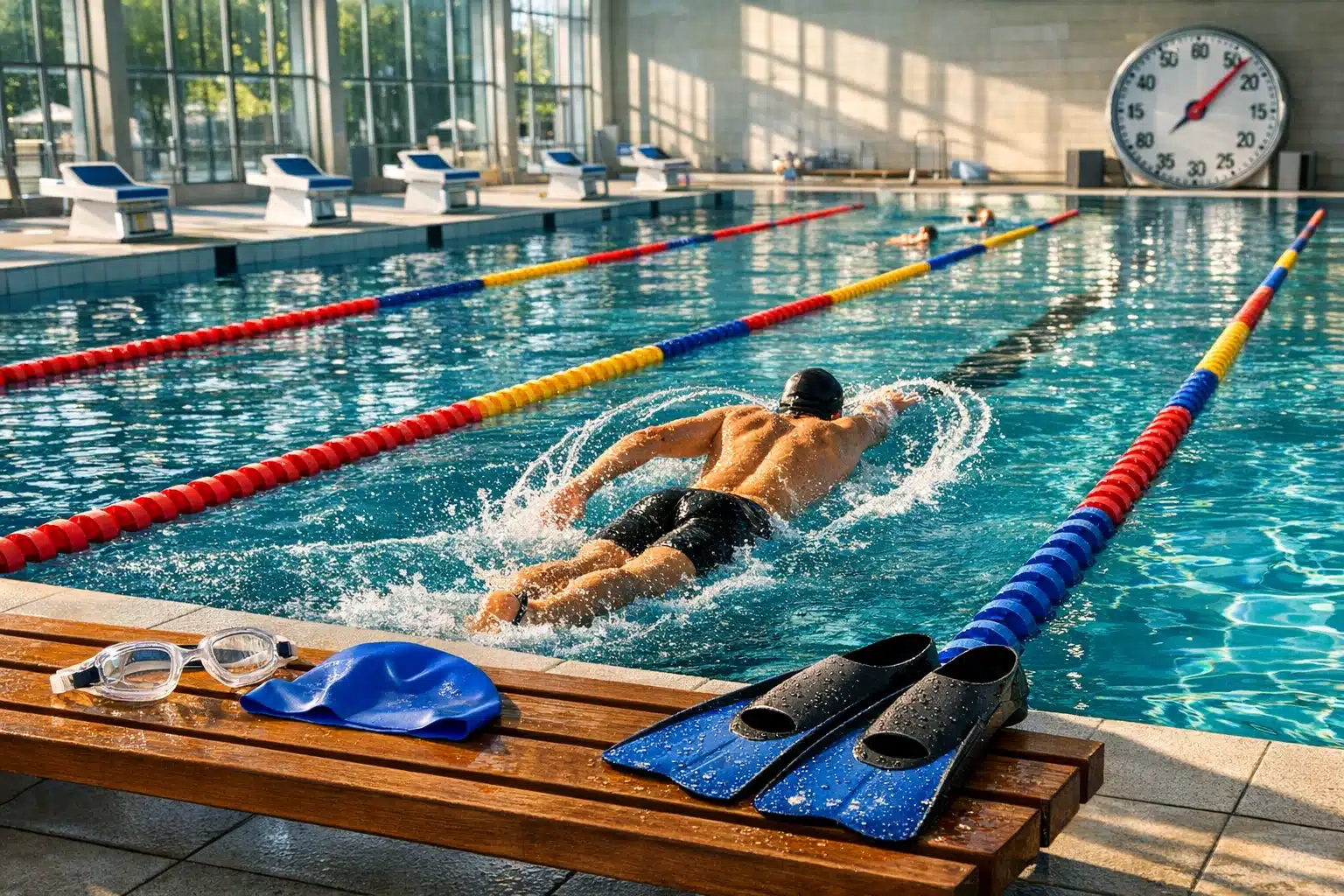
Explore the world of swimming
Swimming is one of those rare activities that feels playful and disciplined at the same time. It can be a competitive sport, a survival skill, a rehab tool, and a calm escape from noisy routines. Because water supports the body while still demanding effort, swimming suits beginners, older adults, athletes, and people returning to exercise after injury. That wide reach makes it relevant far beyond the pool deck.
Outline:
- Why swimming matters for health, strength, and mental balance
- How the major strokes compare in technique, rhythm, and difficulty
- What training habits, safety practices, and gear choices support progress
- How swimming fits different ages, environments, and personal goals
- How readers can turn interest into a realistic and lasting routine
Why Swimming Matters: Health, Skill, and Everyday Relevance
Swimming earns its reputation not simply because it is popular, but because it combines several benefits that are rarely found together in one activity. It challenges the heart and lungs, recruits muscles from head to toe, develops coordination, and does all of this while reducing impact on joints. Water creates constant resistance in every direction, which means even gentle movement asks the body to work. At the same time, buoyancy supports body weight and can make exercise feel more manageable for people who struggle with running, jumping, or heavy strength training.
From a fitness perspective, swimming contributes meaningfully to the same weekly activity goals often recommended for adults, such as at least 150 minutes of moderate-intensity aerobic exercise. A steady swim session can raise the heart rate, improve endurance, and build muscular stamina across the shoulders, back, core, hips, and legs. Energy use varies with pace and stroke, but many adults burn several hundred calories in an hour of lap swimming. Freestyle intervals may feel fast and athletic, while easy breaststroke can be more relaxed, yet both still train the body in useful ways.
Swimming also stands apart because it is a practical life skill. Knowing how to float, tread water, and move efficiently through water is not only recreational knowledge; it can improve personal safety. Public health experts continue to treat drowning as a serious global issue, which makes swimming education valuable far beyond sport. For children, structured lessons can build confidence and water awareness. For adults, learning later in life can remove fear that has quietly limited holidays, family outings, or basic peace of mind.
There is also a mental side to swimming that regular swimmers often describe with unusual affection. The pool can feel like a reset button: the splash fades, breathing finds rhythm, and the mind narrows its focus to one lane, one wall, one stroke at a time. That pattern can reduce stress and create a form of moving concentration. Compared with gym workouts that rely on screens, mirrors, or music volume, swimming often feels stripped down in a good way.
- Compared with running, swimming usually places less impact on knees and hips.
- Compared with cycling, it engages the upper body much more directly.
- Compared with casual walking, it often demands more coordinated breathing and full-body control.
That combination of utility, challenge, and calm is why swimming remains relevant for so many people. It is exercise, yes, but it is also resilience training in a different element. Few activities teach the body to work hard while teaching the mind to stay composed.
The Main Strokes Compared: Technique, Efficiency, and Learning Curve
To an untrained eye, swimming may look like a simple matter of getting from one end of the pool to the other. In practice, the stroke you choose changes almost everything: breathing pattern, muscle emphasis, speed, energy cost, and how difficult the movement is to learn. The four competitive strokes, freestyle, backstroke, breaststroke, and butterfly, each have a distinct personality. They are like different dialects of the same language: related, but spoken with completely different rhythm.
Freestyle, usually swum as front crawl, is the most common stroke for fitness and racing. It is generally the fastest and, once technique improves, often the most efficient over longer distances. Swimmers rotate through the torso, keep the body streamlined, and use alternating arm recovery with a flutter kick. The main challenge is breathing without disturbing balance. Beginners often lift the head too high, which sinks the hips and increases drag. When done well, freestyle feels smooth and economical, almost like sliding forward through a moving ribbon of water.
Backstroke is sometimes the friendliest place to start for people who dislike face-down breathing. Because the face stays above water, many swimmers find it less stressful at first. Yet backstroke has its own technical demands. The body must remain aligned, the kick should stay narrow, and hand entry needs precision. Since the swimmer cannot see where they are going, spatial awareness becomes part of the skill. Compared with freestyle, backstroke is usually slower, but it can be excellent for posture, shoulder mobility, and confidence.
Breaststroke is widely recognized and often chosen by recreational swimmers because the head can rise regularly for a comfortable breath. Its timing, however, is more technical than many people expect. The pull, breath, kick, and glide must happen in sequence. If that sequence breaks down, the stroke becomes tiring very quickly. Breaststroke tends to be slower than freestyle and can place specific stress on the knees if technique is poor, but it offers great control and works well for measured, steady swimming.
Butterfly is the most demanding of the four for many swimmers. It uses simultaneous arm recovery and a dolphin kick driven by the core and hips. It requires power, timing, and stamina, which is why beginners often meet it with respect and a little disbelief. Butterfly is beautiful when done properly, but inefficient technique can make it exhausting within one length.
- Best for speed and fitness laps: freestyle
- Best for face-up breathing and body awareness: backstroke
- Best for controlled pace and recreational swimming: breaststroke
- Best for power and advanced skill development: butterfly
For most readers, the ideal approach is not to chase the hardest stroke first. Start with the one that builds confidence, then refine technique. In swimming, elegance is not decoration; it is efficiency. A small change in body position can save more energy than a large burst of effort.
Training, Safety, and Gear: Building Progress Without Guesswork
A good swimming routine is shaped by three pillars: technique, consistency, and safety. Many people begin with enthusiasm, swim hard for a week, then wonder why they feel stuck or unusually tired. Unlike some land activities, swimming punishes rushed mechanics. Because water is roughly 800 times denser than air, small flaws in position or timing create noticeable resistance. That is why progress often comes less from trying harder and more from moving smarter.
For beginners, formal instruction is usually worth the effort. A qualified coach can quickly correct habits that would otherwise become frustrating patterns, such as dropped elbows in freestyle, a bicycle kick in breaststroke, or breath timing that causes panic. Even a short block of lessons can improve comfort and efficiency. For recreational swimmers training alone, a simple session structure helps:
- Warm-up: easy laps and gentle drills to prepare shoulders and breathing
- Main set: intervals focused on endurance, speed, or stroke practice
- Recovery: slower swimming to settle heart rate and reinforce technique
Tools can support training, but they should not become substitutes for skill. Goggles improve visibility and reduce irritation from chlorinated water. A well-fitted cap can keep hair more controlled and reduce drag slightly. Kickboards isolate leg work, pull buoys emphasize the upper body, and fins can help swimmers feel body alignment and momentum. Pace clocks, waterproof watches, and lap counters are useful for structured workouts, especially once swimmers want measurable improvement. Still, gear works best when it teaches rather than distracts.
Safety deserves equal attention. Pool swimmers benefit from clear lane etiquette, realistic pacing, hydration, and awareness of fatigue. Open water swimmers need an even wider margin of caution because conditions can change quickly. Currents, waves, temperature, visibility, and distance from shore create risks that a pool never presents. Swimming with a partner, using visible safety floats, checking local conditions, and entering unfamiliar water carefully are all sensible habits. No article about swimming is complete without saying this plainly: confidence is helpful, overconfidence is dangerous.
Another useful comparison is training intensity. Swimming every session at maximum effort is rarely the best plan. Just as runners vary long runs, recovery days, and intervals, swimmers benefit from variety. Some sessions should emphasize skill. Others can build aerobic capacity. Short, fast sets may sharpen speed, while easy technique work often produces the cleanest long-term gains.
The smartest swimming routine is not the one that looks toughest on paper. It is the one that lets a reader return next week with stronger technique, better awareness, and enough energy to keep going. Progress in the water is often quiet at first, but it is real.
Swimming Across Ages and Environments: Pools, Lakes, Oceans, and Life Stages
One of swimming’s greatest strengths is adaptability. It can begin as childhood play, become teenage competition, shift into adult fitness, and later serve as a low-impact way to stay active through older age. Few sports travel so well across the decades. The goals change, the pace changes, and sometimes the setting changes, yet the activity remains useful. That flexibility is part of what keeps swimming relevant long after trend-based workouts come and go.
For children, swimming often starts with comfort in the water: blowing bubbles, floating, kicking, and learning how to recover balance. The early objective is not perfect form; it is trust. Once that trust develops, technique can follow. Young swimmers also gain confidence that extends beyond the pool. A child who learns to stay calm in water is learning problem-solving under pressure, even if they do not describe it that way.
Adults come to swimming for different reasons. Some want a full-body workout that does not punish their joints. Some return after years away because they miss the feeling of it. Others enter the pool through triathlon, rehabilitation, or a simple desire to do something more sustainable than high-impact exercise. For office workers, swimming can counter long hours of sitting by encouraging extension through the chest, back, and hips. For older adults, it offers movement with reduced joint load, though individual health conditions should still guide intensity and stroke choice.
Environment matters as much as age. Pools are controlled, measurable, and ideal for structured training. Distances are known, water is usually calmer, and lane lines make practice more predictable. Lakes feel more open and quiet, but temperature, visibility, and uneven entry points can change the experience dramatically. Ocean swimming adds currents, tides, and waves, making skill and caution much more important. A calm pool is like practicing scales on a piano; open water is the full performance, where the setting has a voice of its own.
- Pool swimming suits skill development, interval training, and beginners.
- Lake swimming can feel peaceful, but conditions vary and supervision matters.
- Ocean swimming rewards experience, sighting skills, and strong judgment.
There is also a social dimension. Some people prefer the solitary rhythm of early lap sessions. Others thrive in clubs, masters groups, school teams, or community classes. Group swimming can improve accountability and technique through shared structure, while solo swimming can feel meditative and personal.
Because swimming fits so many bodies, ages, and settings, it resists narrow definition. It is not only a competitive sport, not only therapy, and not only leisure. It can be all three at different moments in the same person’s life, which is a rare kind of versatility.
Making Swimming Part of Your Life: A Practical Conclusion for New and Returning Swimmers
If you have read this far, the most important message is simple: swimming does not need to begin with speed, expensive gear, or elite technique. It begins with regular contact with the water and a willingness to learn. Many people admire swimming from a distance because they assume they must already be fit, coordinated, or fearless before they start. The truth is almost the reverse. Swimming is one of the activities that helps build those qualities over time.
For beginners, the best first goal is not a certain number of laps. It is comfort. Learn how to exhale underwater, float without fighting the surface, and move with a steady rhythm. If possible, take lessons or join a beginner-friendly session. A coach or instructor can shorten the learning curve dramatically. For returning swimmers, the smartest move is to respect the gap. Even if you were once strong in the water, ease back in with shorter sessions and technique work before chasing old times.
A practical weekly starting point can look like this:
- Session 1: easy swimming plus breathing and floating practice
- Session 2: short intervals with rest, focusing on clean technique
- Session 3: a relaxed continuous swim at comfortable pace
That kind of routine is manageable for many readers and leaves room for recovery. Over time, distance, pace, and confidence usually grow together. Improvement may arrive subtly. One day the water feels less heavy. Another day a length that once seemed long becomes routine. Then, almost without ceremony, the pool changes from a place of effort into a place of capability.
Swimming rewards patience more than bravado. It teaches you to work with resistance rather than merely against it. It asks for breath control when the instinct is to rush, alignment when the instinct is to thrash, and repetition when the ego wants instant progress. Those lessons carry beyond sport. They shape persistence, self-awareness, and calm under pressure.
For the reader who wants better fitness, swimming offers a balanced full-body challenge. For the reader managing joint discomfort, it offers a gentler path into movement. For the reader who simply wants to feel more at ease around water, it offers confidence with lasting value. Start small, stay consistent, and let technique grow at its own honest pace. The lane does not ask for perfection. It asks you to return, length by length, until the unfamiliar becomes natural.