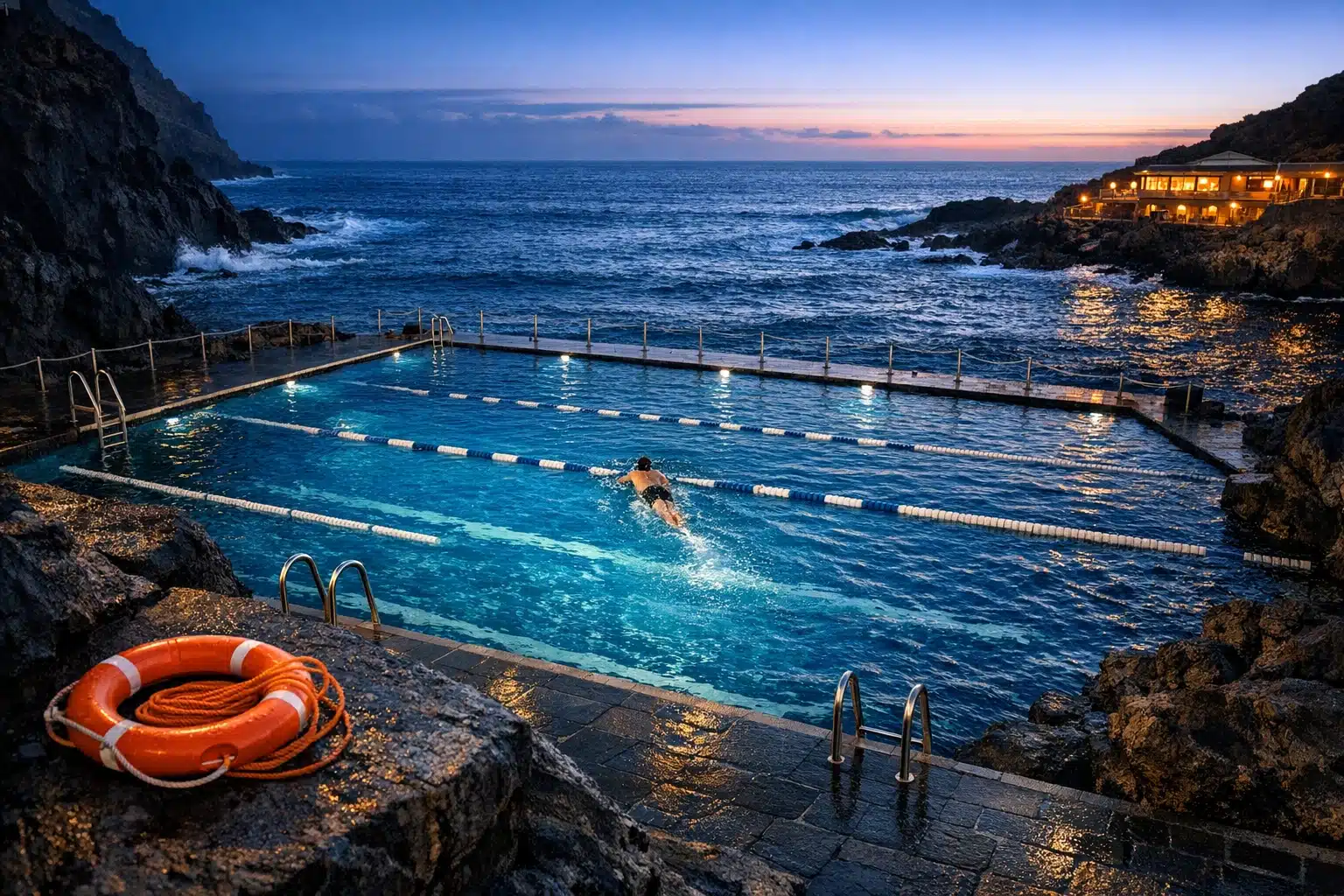
Explore the world of swimming
Swimming is one of those rare skills that feels equally practical, playful, and profound. It can begin as a child’s cautious splash in the shallow end and grow into a lifelong habit that supports fitness, safety, focus, and confidence. From neighborhood pools to open water, swimming matters because it welcomes beginners while still challenging elite athletes. This article explores how the sport works, why it benefits the body and mind, and what makes it so enduringly relevant.
Outline: this article moves through five major areas of the topic, beginning with swimming’s history and global appeal, then comparing the main strokes, examining physical and mental benefits, explaining training and safety, and ending with a reader-focused conclusion about swimming as a lifelong pursuit.
Swimming Through History and Across Cultures
Swimming may look simple from the pool deck, but it carries an unusually deep human story. Long before stopwatches, lane ropes, and digital scoreboards, people swam for survival, work, ritual, travel, and play. Archaeological evidence suggests that humans have been swimming for thousands of years, and depictions of swimmers appear in ancient art from different civilizations. In that sense, swimming is not merely a modern sport; it is an old human answer to a basic question: what happens when land ends and water begins?
Different cultures treated swimming in different ways. In some societies, it was considered an essential practical skill, especially for fishing communities, river settlements, and naval powers. In others, it became a disciplined activity tied to education or military readiness. Ancient Greeks and Romans recognized physical training as part of civic life, and swimming often sat beside wrestling, running, and other exercises. Later, in parts of Europe, swimming’s reputation changed over time due to shifting social norms, urban development, and access to safe public bathing spaces. By the nineteenth century, the rise of public baths and organized clubs helped transform swimming into a recreational pastime and a competitive event.
The modern sport took shape as rules became standardized. Competitive swimming entered the first modern Olympic Games in 1896 for men, and women joined Olympic swimming in 1912. Since then, swimming has developed into a global spectacle governed by international bodies and watched by millions. Standard pool formats such as 50-meter long-course pools and 25-meter short-course pools helped create consistency in records, training, and athlete development. This standardization matters because it allows times, techniques, and performances to be compared across eras and regions.
What makes swimming especially compelling is its wide social range. It can be elite and ordinary at the same time. A world champion refining a race start and a parent teaching a child to float are participating in the same broad tradition. A few features explain this wide appeal:
• It serves both survival and sport.
• It suits recreation, rehabilitation, and high performance.
• It can be practiced alone, with friends, or in structured teams.
There is also something quietly dramatic about the environment itself. Water changes movement, sound, breathing, and even time perception. On land, effort often looks noisy and explosive. In water, hard work can appear smooth, almost secretive, like strength wrapped in silk. That contrast has helped swimming endure. It belongs to history, but it never feels stuck in the past.
Understanding the Main Strokes and How They Compare
To many casual observers, swimming may seem like one activity with small technical variations. In reality, the four main competitive strokes freestyle, backstroke, breaststroke, and butterfly each create a distinct relationship between body position, breathing, rhythm, and speed. Learning the differences is useful not only for competitive swimmers but also for anyone trying to improve efficiency, comfort, or endurance in the water.
Freestyle, usually swum with the front crawl, is the fastest and most commonly taught stroke for fitness and racing. The swimmer stays face down, rotates through the torso, and uses alternating arm pulls with a flutter kick. Efficient freestyle depends less on brute force than many beginners assume. Good swimmers streamline the body, keep the hips high, and breathe without lifting the head too far. When freestyle works well, it feels like the swimmer is slipping through the surface rather than fighting it. Because it is relatively fast and adaptable, freestyle is often the stroke people choose for laps, triathlons, and open-water events.
Backstroke shares some mechanics with freestyle because it also uses alternating arms and a flutter kick, but the face-up position changes everything. Breathing is simpler because the mouth and nose are generally clear of the water, yet balance can be harder because visual references are limited. Swimmers must maintain straight alignment while rotating through the shoulders and hips. For many people, backstroke feels freeing at first and disorienting a moment later, like reclining in a moving mirror.
Breaststroke is slower than freestyle and backstroke for most swimmers, but it is often easier to understand rhythmically because the arms and legs move in more symmetrical patterns. The pull, breath, kick, and glide sequence can feel intuitive once timing develops. It is also the stroke most likely to be chosen by recreational swimmers who want to keep their heads lifting forward more often. However, technically sound breaststroke requires precision. Small errors in timing or leg action can create heavy drag.
Butterfly is usually considered the most demanding stroke. Both arms recover together, the legs perform a dolphin kick, and the movement relies on coordinated undulation through the body. Butterfly can be breathtaking to watch because it combines power with a wave-like motion that seems almost theatrical. Yet it is not only about strength. Timing is everything. A swimmer who muscles through butterfly without rhythm often tires quickly.
A useful comparison looks like this:
• Freestyle: usually fastest, efficient for distance, highly versatile.
• Backstroke: good for posture awareness and shoulder rotation, but harder to steer.
• Breaststroke: slower but rhythm-based and accessible to many learners.
• Butterfly: powerful and visually striking, but technically and physically demanding.
No single stroke is best in every situation. Freestyle often dominates races and workouts, but backstroke can relieve pressure from face-down swimming, breaststroke can suit controlled pacing, and butterfly sharpens timing and power. Together, these strokes show that swimming is not one repetitive motion but a family of movements with different personalities.
Why Swimming Is So Effective for Physical and Mental Health
Swimming is often praised as a full-body workout, and that description is accurate, but it barely captures the range of benefits involved. Water changes how the body works. It supports body weight, creates steady resistance, cools the skin, and pressures the body from all sides through immersion. The result is an activity that can improve fitness while placing less impact on joints than many land-based exercises. For people who want movement without the pounding of running or certain court sports, swimming can feel like discovering a second version of exercise, one where effort remains real but the body is treated more gently.
Cardiovascular health is one of the clearest benefits. Swimming challenges the heart and lungs, especially when sessions include sustained laps, interval sets, or stroke variation. Public health guidelines often recommend at least 150 minutes of moderate-intensity aerobic activity each week for adults, and swimming can contribute meaningfully to that target. Because water is far denser than air, every pull and kick works against resistance, even when the movement appears smooth. This means swimmers train both endurance and muscular coordination at the same time. The shoulders, back, chest, core, glutes, and legs all contribute, though emphasis varies by stroke.
Swimming is also valuable for people recovering from injury, managing arthritis, or seeking low-impact conditioning. That does not mean it is risk-free; shoulders, knees, and lower backs can still be stressed by poor technique or overuse. But compared with many repetitive impact activities, swimming often allows people to remain active while limiting shock to the body. It is one reason aquatic exercise is frequently included in rehabilitation and senior fitness programs.
The mental side deserves equal attention. Repeated strokes and controlled breathing can create a focused, almost meditative state. Many swimmers describe a session as mentally clearing, especially after a long day of screens, traffic, deadlines, or noise. The sensory environment is part of the appeal: muffled sound, steady rhythm, and the simple logic of reaching the next wall. In a distracted age, that kind of concentration is not trivial. It is restorative.
Some of swimming’s practical advantages can be summarized clearly:
• It develops aerobic fitness and muscular endurance together.
• It reduces impact stress compared with many land exercises.
• It can support mobility, coordination, and breath control.
• It often improves mood through structured, rhythmic movement.
Children, adults, older swimmers, and competitive athletes can all find different forms of value in the same pool. One person is training for a race, another is managing stress, and another is simply trying to move comfortably again after a setback. Swimming does not erase those differences, but it accommodates them with unusual generosity.
Training Smart: Technique, Equipment, and Water Safety
Good swimming is built less on heroic effort than on smart repetition. Beginners often assume progress comes from swimming harder, but the water usually rewards efficiency before intensity. A well-timed breath, a longer line through the body, or a calmer kick can save more energy than a stronger pull. This is why technique matters so much. In swimming, form is not decorative; it is functional. The cleaner the movement, the less the water pushes back.
For new swimmers, the first milestones are often comfort and control rather than distance. Learning to exhale into the water, float on the front and back, and move through basic drills creates a foundation that later supports speed and endurance. Many coaches teach body position before volume because poor alignment quickly multiplies fatigue. If the hips sink or the head lifts too high, drag increases. In practical terms, that means the swimmer works harder to go slower, which is nobody’s favorite bargain.
Training plans usually improve when they mix different elements instead of repeating endless easy laps. A balanced session may include warm-up, drills, aerobic swimming, skill work, and recovery. For example, a recreational swimmer might start with easy freestyle and backstroke, add short kick sets, practice breathing drills, and then finish with moderate continuous swimming. More experienced swimmers may add intervals, pacing targets, turns, starts, and race-specific sets. Variety matters because it builds multiple capacities while keeping the mind engaged.
Equipment can help, though it should support technique rather than replace it. Common gear includes:
• Goggles for visibility and eye comfort.
• A swim cap to reduce hair drag and keep hair out of the face.
• A kickboard for isolating leg work.
• Pull buoys to emphasize arm movement and body position.
• Fins or paddles for specific drills, used thoughtfully and not excessively.
Safety is inseparable from the sport. Strong swimmers still need good judgment, especially outside the pool. Open water introduces currents, temperature changes, reduced visibility, boat traffic, and navigation challenges. Even in pools, basic rules matter: never overestimate your ability, respect lane etiquette, supervise children closely, and avoid swimming alone in risky settings. Formal swim lessons remain one of the best investments families can make because water competence combines skill, awareness, and calm decision-making.
There is a quiet maturity in learning water safety. It means respecting conditions instead of trying to dominate them. The water does not care whether someone feels confident, impatient, or eager to impress. It responds to physics, temperature, and technique. Smart swimmers learn that early, and that lesson often becomes part of the sport’s enduring appeal.
Conclusion: Why Swimming Remains a Lifelong Sport for Every Kind of Reader
For many readers, the most important question is not whether swimming is impressive, but whether it is worth making part of real life. The answer depends on goals, circumstances, and access, yet swimming has a remarkably strong case because it can meet people where they are. A child may approach it as play. A teenager may discover competition. An adult may return to it for fitness after years away. An older swimmer may value the low-impact movement and mental clarity. Few activities travel so well across age, ability, and motivation.
Swimming also creates communities that are broader than the stereotype of elite racing suggests. Yes, there are Olympic finals, national records, and fierce club rivalries. But there are also public lessons, masters groups, adaptive swimming programs, hotel pools, school teams, rehabilitation sessions, and early-morning lap swimmers who know one another only by nods and shared lane etiquette. In that sense, swimming is both personal and social. It offers solitude without isolation and structure without necessarily becoming rigid.
Modern swimming continues to evolve. Technology now shapes training through underwater video, smart watches, stroke metrics, and performance analysis. Open-water events and triathlon have expanded the sport’s visibility beyond the pool. At the same time, conversations about access remain essential. Not everyone grows up near safe facilities, affordable lessons, or inclusive programs. Expanding access to swimming is more than a sporting issue; it is also a public health and safety issue. Water competence can save lives, improve confidence, and open a door to lifelong exercise.
If you are a curious beginner, the next step may be simple: take lessons, practice floating, and build confidence one session at a time. If you already swim occasionally, try learning another stroke, improving turns, or following a more intentional routine. If you are a committed athlete, swimming offers endless refinement, because even experienced swimmers keep returning to the basics of line, rhythm, and breath.
The lasting lesson is this: swimming is not only about speed or medals. It is about learning how to move well in a demanding environment, how to breathe under pressure, and how to trust progress that sometimes feels slow until, suddenly, it does not. For readers looking for an activity that is useful, challenging, restorative, and genuinely sustainable, swimming remains one of the clearest choices in sport.