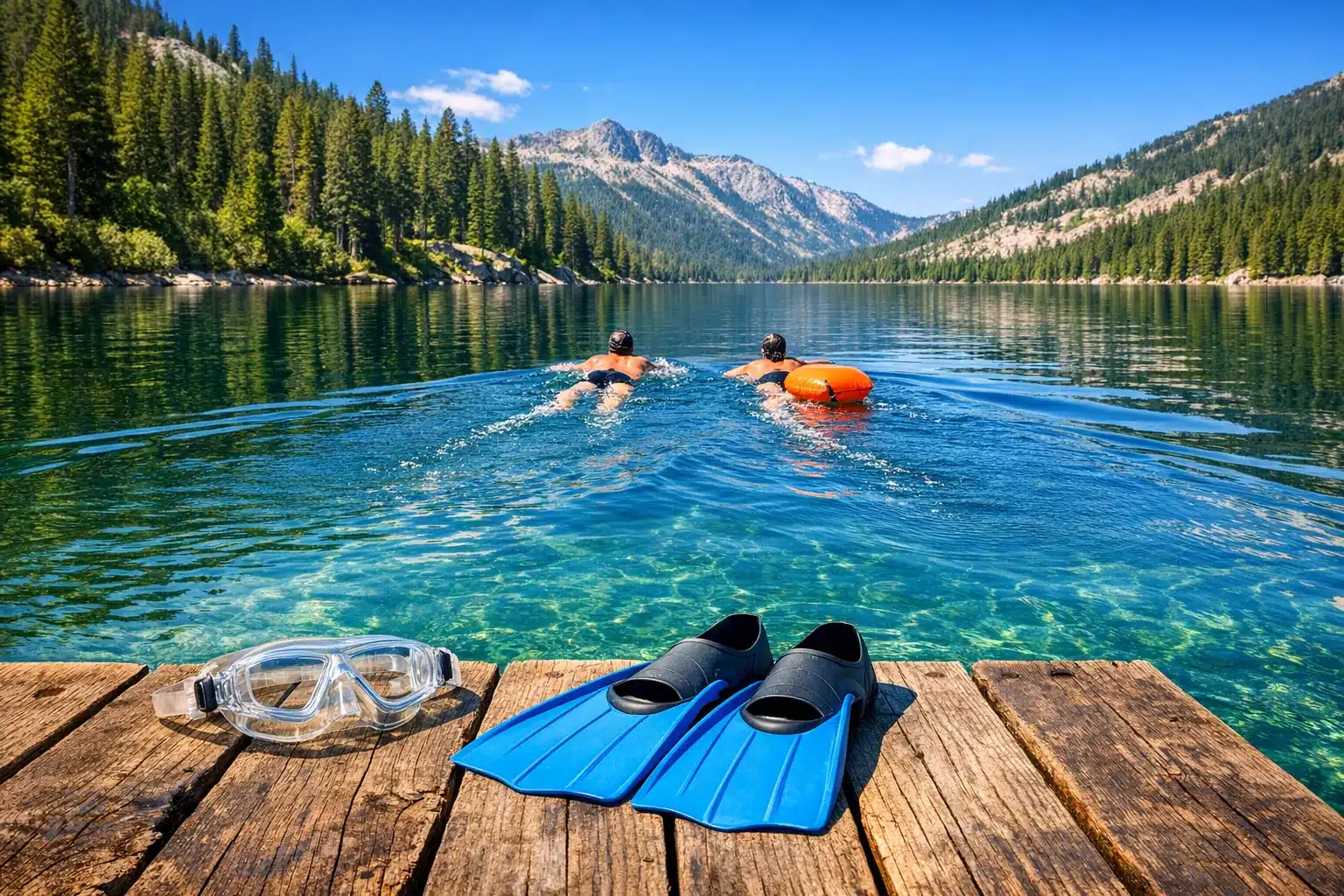
Explore the world of swimming
Swimming is one of those rare activities that feels playful and serious at the same time, offering exercise, skill, safety, and even a sense of freedom in a single practice. It matters because it supports heart health, protects joints, builds confidence in the water, and opens doors to recreation and competition across all ages. From the first cautious kick to the smooth rhythm of a long lap, swimming rewards patience with progress you can truly feel.
Outline: The Many Dimensions of Swimming
Before diving into details, it helps to map the territory. Swimming is not just a sport, and it is not only a fitness routine. It sits at the crossroads of health, technique, safety, recreation, and personal growth. For some people, it begins with practical reasons such as learning to stay safe around water. For others, it begins with a goal such as improving cardiovascular fitness, recovering from injury, training for competition, or simply finding a form of exercise that feels less punishing than running. That range is part of what makes swimming so relevant. The same pool can host a child learning to float, an adult returning to exercise, and an elite athlete measuring a split down to a fraction of a second.
This article follows a clear structure so readers can move from broad understanding to practical insight. The sections ahead cover the topic from several useful angles:
-
Why swimming matters for physical health, mobility, and mental well-being.
-
How the four main strokes differ in technique, efficiency, and difficulty.
-
What training habits, safety principles, and equipment choices support progress.
-
How swimming fits different lifestyles, from leisure to lifelong sport.
That order matters. First, it is useful to understand why swimming deserves attention in the first place. Then it becomes easier to appreciate the technical side, because each stroke asks the body to move through water in a different way. After that comes the practical layer: how to train, what to wear, how to stay safe, and how to improve without frustration. Finally, the article looks at the broader meaning of swimming in everyday life. Not everyone wants medals, and not everyone wants to count laps, but many people want an activity they can return to year after year.
Swimming also invites comparison with other forms of exercise. Unlike cycling, it does not require roads or a machine. Unlike many gym routines, it combines resistance and cardio in one session. Unlike some impact-heavy sports, it is often manageable for people with joint sensitivity. Water changes the rules. It supports the body while resisting every movement, creating a setting where effort can feel both demanding and strangely calm. That balance between challenge and relief is the thread running through every section that follows.
Why Swimming Is a Full-Body Skill and a Lifelong Exercise
Swimming is often described as a full-body workout, but that phrase can sound vague until you examine what actually happens in the water. A swimmer uses the shoulders, chest, back, core, hips, and legs in a coordinated chain of movement. At the same time, the heart and lungs work continuously to supply oxygen while the body manages rhythm and breath control. That combination makes swimming unusual. Many activities strengthen one area more than another, yet swimming asks for whole-body participation from the first lap to the last.
One of its strongest advantages is low-impact exercise. Because water supports a large portion of body weight, stress on knees, ankles, and hips is reduced compared with many land-based activities. This is one reason swimming is commonly recommended in rehabilitation and active recovery settings, though individual medical advice should always come from a qualified professional. For older adults, people managing excess body weight, and those returning to exercise after time away, this reduced impact can make movement feel possible again. A pool can turn exercise from a painful duty into a workable habit.
Swimming is also effective for cardiovascular health. Regular moderate to vigorous swimming can improve aerobic capacity, support circulation, and help with endurance. Public health guidance in many countries recommends at least 150 minutes of moderate aerobic activity per week for adults, and swimming fits that target well. A steady 30-minute swim session can raise the heart rate while remaining gentler on joints than many alternatives. The exact energy cost varies by stroke, pace, and body size, but more demanding strokes such as butterfly or vigorous freestyle typically burn more energy than easy breaststroke or relaxed kicking drills.
The mental side matters too. Water has a way of narrowing attention. The noise of the day softens into breath, bubbles, and repetition. Many swimmers describe a session as mentally resetting, especially when they settle into a steady rhythm. Research on exercise and mood consistently shows benefits related to stress reduction and emotional well-being, and swimming can offer those gains along with a sensory experience that feels distinct from land training. The pool does not solve life’s problems, but it often makes them feel less tangled for a while.
Its lifelong value becomes clear when you compare age groups. Children gain coordination and water confidence. Teenagers may develop discipline and competitive skills. Adults often value efficiency, since a swim can train several systems at once. Older swimmers may prize mobility, circulation, and the simple pleasure of moving without heavy impact. Few activities adapt so well across decades. In that sense, swimming is not just exercise; it is a durable life skill that can remain useful and enjoyable long after trendier workouts come and go.
Understanding the Four Main Strokes and How They Differ
To an untrained eye, swimming can look like a straightforward matter of moving arms and legs until the wall arrives. In practice, each stroke has its own logic, rhythm, and technical demands. The four main competitive strokes are freestyle, backstroke, breaststroke, and butterfly. Learning how they differ helps swimmers choose where to begin, what to practice, and why some strokes feel natural while others seem to argue with every muscle in the body.
Freestyle, usually swum with the front crawl, is the fastest and most widely practiced stroke. It uses an alternating arm action with a flutter kick and requires the swimmer to rotate the body from side to side. Efficient freestyle depends on streamlining, timing, and relaxed breathing. Beginners often struggle because they lift the head too high to breathe, which causes the hips and legs to sink. Once that issue improves, freestyle usually becomes the most economical stroke for fitness and lap swimming. It is well suited to endurance training, triathlon preparation, and general pool workouts.
Backstroke shares some features with freestyle, especially the alternating arm motion and flutter kick, but the body position changes everything. Because the swimmer is on the back, breathing is easier in one sense since the face stays out of the water. Yet balance can be trickier because there is no visual reference point ahead. Good backstroke requires stable hips, a continuous kick, and shoulder rotation. It can feel liberating, almost like drifting through a bright ceiling of reflected light, but it also punishes poor alignment quickly.
Breaststroke is often considered beginner-friendly because the head can rise more naturally and the pace is slower. However, efficient breaststroke is highly technical. The pull, breath, kick, and glide must work in sequence, and the kick itself is unlike the flutter movement used in freestyle and backstroke. When performed well, breaststroke can be smooth and controlled. When performed poorly, it becomes tiring and awkward. It is usually slower than freestyle and backstroke, but many recreational swimmers enjoy it because the stroke feels measured and less rushed.
Butterfly is the most physically demanding of the four for many swimmers. Both arms recover together over the water while the body moves in a wave-like pattern driven by the core and a dolphin kick. Butterfly requires timing, strength, flexibility, and rhythm. It is powerful and beautiful when executed properly, but it is also unforgiving. A small timing error can make the stroke collapse into struggle. Because of that, butterfly is usually introduced after a swimmer has some foundation in body position and breathing control.
A simple comparison helps clarify their roles:
-
Freestyle: fastest, efficient, ideal for fitness and distance work.
-
Backstroke: useful for posture awareness, shoulder rotation, and varied training.
-
Breaststroke: slower, technical, popular for recreational swimming.
-
Butterfly: powerful, advanced, and energy-intensive.
No stroke is inherently superior in every context. The best one depends on purpose. A beginner may start with back floating and simple freestyle drills. A fitness swimmer may rely mostly on freestyle with some backstroke for balance. A technical swimmer may enjoy the precise timing of breaststroke. A competitive athlete may train all four to build versatility. Swimming becomes richer once you understand that each stroke is a different conversation with the water.
Training, Safety, and Equipment: Building Good Habits in the Water
Progress in swimming rarely comes from brute effort alone. It comes from technique, consistency, and respect for the environment. Water is supportive, but it is also demanding. That is why training habits and safety habits should develop side by side. A swimmer who learns to pace properly, breathe well, and read conditions is usually better prepared for long-term improvement than someone who simply tries to power through every session.
A useful training approach begins with structure. Even casual swimmers benefit from dividing a session into parts: warm-up, skill work, main effort, and easy recovery. A short warm-up helps joints loosen and allows the body to adjust to breathing patterns. Technique drills can then target specific weaknesses, such as body rotation, catch position, or kick timing. The main set might involve steady laps, intervals, or stroke practice depending on the goal. Finally, an easy cooldown lowers intensity and helps the session end in control rather than exhaustion.
Good training habits often include the following:
-
Focus on one or two technical goals per session instead of chasing perfection in everything at once.
-
Increase distance or intensity gradually to avoid overload.
-
Use rest intervals strategically, since quality often matters more than mindless volume.
-
Pay attention to breathing patterns, because poor breathing can disrupt the entire stroke.
Safety deserves equal attention. In a supervised pool, basic rules matter: know the lane direction, avoid diving in shallow water, and respect signs and lifeguard instructions. For children and less confident swimmers, active supervision is essential. In open water, the risk profile changes. Visibility, currents, water temperature, waves, and boat traffic all need to be considered. Even strong pool swimmers can be surprised by cold water shock or choppy conditions. Swimming with a partner, using a visible tow float where appropriate, and understanding the route before entering the water are sensible precautions rather than signs of weakness.
Equipment can support learning, though it should not replace sound technique. The essentials are simple: a comfortable swimsuit, goggles that fit well, and in many pools a swim cap. Beyond that, tools such as kickboards, pull buoys, fins, paddles, and snorkels can help isolate parts of the stroke. A kickboard emphasizes leg work, a pull buoy highlights upper-body pulling and body alignment, and fins can assist with propulsion while developing ankle flexibility. Yet every tool has limits. Overuse can create dependency or hide flaws. A swimmer should treat equipment as a teaching aid, not a shortcut.
Perhaps the most underrated training habit is patience. Swimming improvement is not always obvious from day to day. Some breakthroughs arrive quietly: fewer strokes per length, calmer breathing, cleaner turns, or the surprising moment when a distance that once felt impossible becomes routine. In water, progress often looks subtle before it feels dramatic. That is part of the discipline, and part of the appeal.
Conclusion: Finding Your Place in Swimming
For the reader considering whether swimming deserves a place in life, the answer depends less on ambition and more on fit. Swimming is unusually flexible. It can be a practical survival skill, a calming form of exercise, a social routine, a rehabilitation tool, or a serious competitive pursuit. You do not need to embrace all of those versions at once. In fact, most people benefit from starting with the version that matches their current needs. Someone seeking gentle movement may begin with water walking and short laps. Someone wanting structured progress may join lessons or a masters group. Someone drawn to challenge may set goals around distance, speed, or multi-stroke technique.
One reason swimming remains relevant in so many stages of life is that it meets people where they are. A nervous beginner can work on floating, breathing, and short glides. A busy adult can use a 30-minute swim as efficient cross-training. A former athlete can return through the pool when joints no longer welcome hard impact. Parents may view swimming as an essential safety skill for children, while older adults may value the freedom of movement water provides. The activity adjusts without losing its identity.
There is also a quiet social side to swimming that is easy to overlook. Not every swimmer talks between sets, yet pools and clubs often build strong communities. Shared practice creates a familiar rhythm: the clock on the wall, the lane line humming, the unspoken courtesy of circle swimming, the small nod that says good set. Even solo swimmers often feel part of a wider culture built on patience, repetition, and respect for steady improvement.
If you are unsure how to begin, keep the first steps simple:
-
Choose a safe, accessible place to swim.
-
Set one realistic goal, such as learning basic breathing or completing a few relaxed lengths.
-
Consider instruction if technique or confidence feels like a barrier.
-
Measure progress by comfort and consistency, not just speed.
Swimming does not ask for perfection at the start. It asks for curiosity, practice, and respect for the water. For beginners, it offers confidence. For fitness-minded readers, it offers efficient full-body training. For lifelong learners, it offers endless refinement. That is the enduring charm of swimming: the water always gives feedback, and there is always another skill, another length, and another reason to come back.