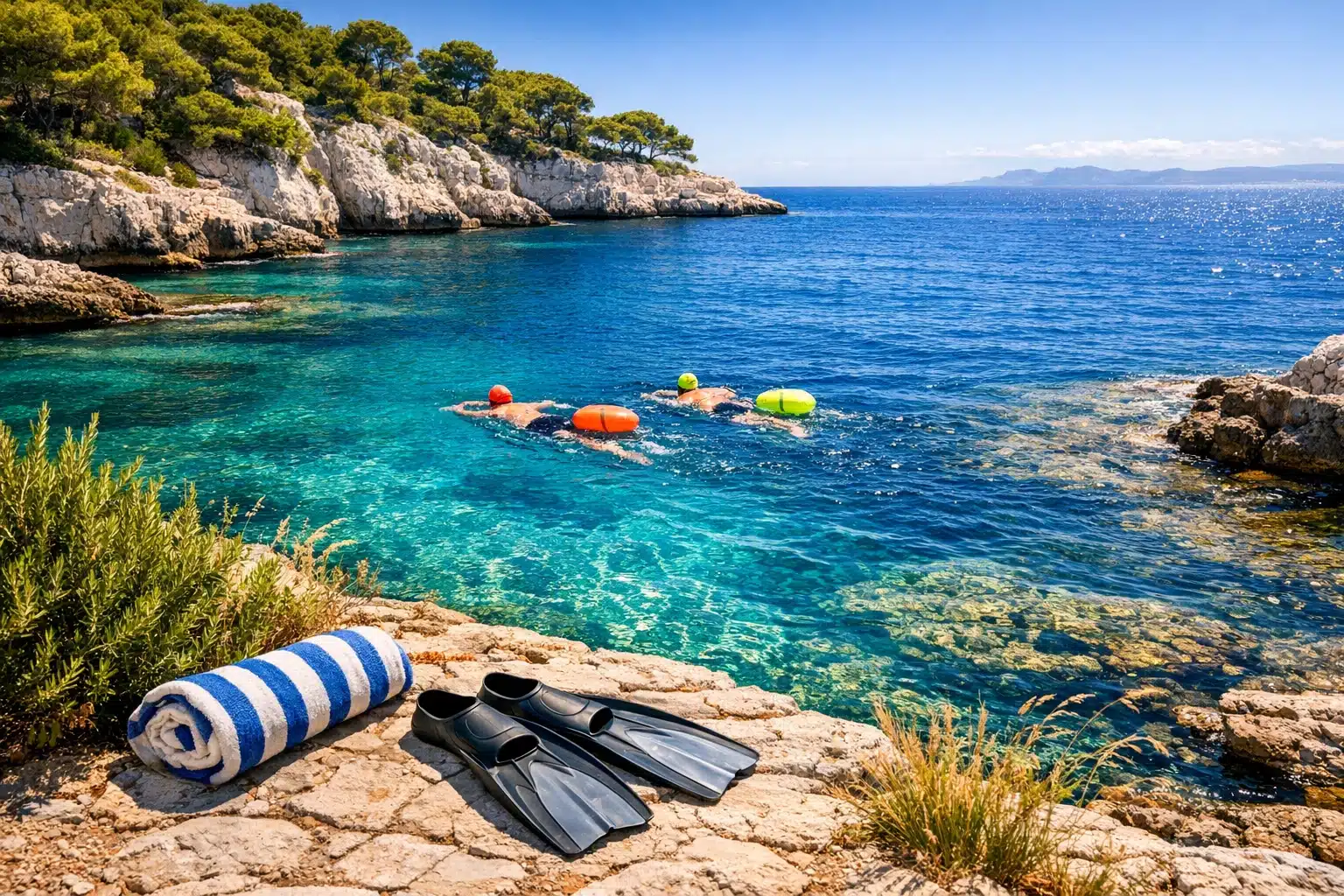
Explore the world of swimming
Swimming is one of those rare activities that feels playful on the surface yet delivers serious value underneath. It can be a life skill, a sport, a form of therapy, and a practical way to stay active at almost any age. From school pools to open-water coastlines, it builds confidence while challenging the body in a low-impact setting. This article looks at how swimming works, why technique matters, and how both beginners and experienced swimmers can get more from every session.
Outline: This article moves through five main ideas: the fundamentals of swimming and its major strokes, the physical and mental benefits of time in the water, the techniques that improve efficiency, the safety habits and gear that matter in different environments, and a practical conclusion on how to make swimming part of everyday life.
1. Swimming Fundamentals: Why the Water Feels So Different
Swimming begins with a simple fact that changes everything: water is far denser than air. Because of that, every movement meets resistance, and even a short session can feel more demanding than it looks from the pool deck. At the same time, buoyancy supports the body and reduces stress on the joints, which is one reason swimming is often recommended for older adults, people returning from injury, and anyone who wants a lower-impact form of exercise. The result is a fascinating combination of challenge and support. In the water, you are both resisted and carried.
Learning the basics means understanding body position, breathing, propulsion, and timing. A swimmer who keeps the body long and level usually moves more easily than one who lets the hips sink. Breathing is equally important. On land, breathing is automatic and casual. In swimming, it becomes rhythmic and strategic, almost like a quiet drumbeat guiding the entire stroke. New swimmers often discover that fatigue has less to do with strength than with breath control and relaxation.
The four competitive strokes each bring a different personality to the pool. Freestyle, commonly used for front crawl, is usually the fastest and most efficient for long distances. Backstroke offers a more open breathing pattern and can feel freeing, as if the ceiling or sky is drifting past while the water does the talking. Breaststroke is slower but popular because it allows good visibility and a clear rhythm. Butterfly is powerful and beautiful, but also technically demanding and physically taxing.
A useful way to compare the strokes is to look at what they ask of the swimmer:
• Freestyle emphasizes rotation, steady breathing, and streamlined movement.
• Backstroke relies on body alignment and shoulder rhythm.
• Breaststroke rewards timing and glide more than brute force.
• Butterfly requires coordination, core strength, and precise undulation.
Swimming also has an unusually broad cultural and practical role. For children, it is a safety skill. For athletes, it is a performance discipline. For many adults, it becomes a reset button after a long day. Pools vary too: some are 25 meters, some 50 meters, and each changes pacing and turn frequency. Open water adds currents, temperature shifts, and visibility challenges. So while swimming may look simple from a distance, it is really a layered skill built from awareness, control, and repetition. The beauty of it is that improvement is often noticeable. A smoother lap, a calmer breath, a cleaner kick: these small changes can make the water feel less like an obstacle and more like a place where the body finally understands the rules.
2. Health Benefits: Strength, Endurance, and a Clearer Mind
Swimming earns its reputation as a full-body exercise because it recruits many major muscle groups at once. The shoulders, back, chest, core, hips, and legs all contribute, but they do so in a fluid chain rather than in a series of harsh impacts. That makes swimming especially valuable for people who want cardiovascular training without the repetitive pounding that often comes with running or high-impact court sports. When performed regularly, it can improve aerobic capacity, muscular endurance, and overall energy levels.
General physical activity guidelines for adults often recommend at least 150 minutes of moderate-intensity exercise per week, and swimming can help meet that target effectively. A moderate lap session raises the heart rate, challenges the lungs, and keeps the body moving continuously. More vigorous training, such as interval sets, can produce a strong cardiovascular stimulus in a relatively short time. Because the water cools the skin, swimmers do not always notice how hard they are working, which can make the session feel gentler than the actual effort would suggest.
Swimming is also well known for supporting joint-friendly movement. Water reduces the effect of body weight, which can make exercise more accessible for people with arthritis, limited mobility, or extra body mass. That does not mean swimming is effortless; it means the effort is distributed differently. The body still works hard, but it does so in an environment that cushions rather than punishes. For rehabilitation settings, aquatic exercise is often used as a bridge between inactivity and more demanding forms of training.
The mental benefits are just as compelling. Repetitive strokes, controlled breathing, and the muffled soundscape of the pool can create a calming effect. Many swimmers describe a good session as mentally cleansing, almost like turning down the volume on the rest of the day. This is not magic, and it is not a cure-all, but it is a meaningful form of stress management. Exercise in general is associated with improved mood, and swimming adds sensory qualities that many people find deeply soothing.
Some of the most practical benefits include:
• improved heart and lung function through steady aerobic work
• better posture and trunk stability from repeated core engagement
• support for flexibility, especially in the shoulders, ankles, and hips
• lower-impact training for a wide range of ages and fitness levels
• a structured outlet for stress, focus, and routine
Swimming also adapts well across life stages. A child may begin by learning to float and kick. A teenager may train for competition. A busy adult may use the pool for fitness before work. An older swimmer may value mobility, balance, and confidence in the water. Few activities travel so well across decades. In that sense, swimming is not just exercise; it is a habit that can age with you gracefully, changing its pace and purpose without losing its value.
3. Technique and Training: How Better Form Beats Wasted Effort
One of the first surprises in swimming is that effort alone does not guarantee speed. A swimmer can thrash, splash, and fight the water while moving less efficiently than someone who appears calm and economical. Good technique reduces drag, improves timing, and allows each stroke to carry the body farther. That is why coaches often say that swimming is a game of details. A slightly better head position, a cleaner hand entry, or a more controlled exhale can transform a lap from tiring to sustainable.
Body alignment is the starting point. The more horizontal and streamlined the body stays, the less resistance it faces. In freestyle, for example, lifting the head too high often causes the hips and legs to sink, creating extra drag. A better approach is to keep the gaze slightly downward, rotate through the torso, and let the body travel as a connected line. Breathing should fit naturally into that rotation rather than interrupt it. Swimmers who hold their breath underwater often become tense, so most instruction emphasizes a continuous exhale into the water followed by a quick inhale during the turn of the head.
Kick mechanics matter, but not always in the way beginners assume. A strong kick helps with balance, momentum, and rhythm, yet oversized kicks can waste energy fast. In distance swimming especially, efficiency tends to matter more than dramatic motion. The same principle applies to the arm pull. Power comes from catching the water well and pressing it backward, not from slapping the surface or rushing the stroke rate without control. The water rewards precision, not impatience.
Training structure makes a major difference too. Random laps have value, but purposeful sessions usually produce better results. A balanced swim workout often includes:
• a warm-up to ease the body into motion
• drill work to focus on a single technical skill
• main sets for endurance, speed, or pacing
• recovery swimming to bring heart rate down and reinforce relaxed form
For beginners, useful drills might include side kicking for balance, single-arm freestyle for timing, or catch-up drill for stroke length. Intermediate swimmers may work on bilateral breathing, pace awareness, and turns. Advanced swimmers often use interval training, stroke-count goals, and race-specific sets. Even simple tools can help when used thoughtfully. Kickboards isolate leg work, pull buoys emphasize upper-body mechanics, and fins can improve body position, though none of these should replace sound technique.
Improvement in swimming is often nonlinear. Some weeks the water feels cooperative, and every lap clicks into place. Other weeks it feels like moving through a stubborn dream. That is normal. Progress comes from repeated exposure, patient correction, and enough consistency for the body to learn patterns that once felt awkward. The lesson is reassuring: you do not need to overpower the pool. You need to listen to it, adjust, and let skill do more of the work.
4. Safety, Gear, and the Difference Between Pool and Open Water
Swimming is enjoyable and beneficial, but it is also a setting where safety can never be treated as optional. Strong swimmers still need judgment, and beginners need supervision, instruction, and clear boundaries. The most important foundation is learning basic water competence: floating, treading water, controlling breathing, turning onto the back, and understanding how to reach safety. These are not glamorous skills, yet they often matter more than speed or style.
In pools, many risks are manageable because the environment is controlled. Depth markings are visible, lane lines organize movement, and lifeguards may be present. Even so, accidents can happen when swimmers overestimate their ability, ignore fatigue, or forget basic etiquette. Circle swimming, for instance, requires awareness of other people in the lane. A fast swimmer charging through traffic is not just annoying; it can be dangerous. Slippery decks, shallow dives, and horseplay also create preventable hazards.
Open water is a different story. Lakes, rivers, and seas are appealing because they feel expansive and adventurous, but they introduce variables that pools remove. Currents, waves, cold shock, limited visibility, weather shifts, and boat traffic all change the risk level. Distances can also be deceptive. A shoreline that looks close may be much farther than it appears once you are in the water. That is why open-water swimming calls for additional planning and humility.
Good safety habits include:
• never swimming alone in unfamiliar or unsupervised conditions
• checking water temperature, weather, currents, and entry and exit points
• using a brightly colored swim cap or tow float in open water
• telling someone your route and expected return time
• stopping early if breathing, sighting, or body temperature starts to feel wrong
Gear matters, but it should serve function rather than image. A well-fitting swimsuit allows free movement. Goggles protect the eyes and improve visibility. Swim caps can reduce drag and help keep hair managed, while also making a swimmer more visible outdoors. Training aids such as fins, paddles, or snorkels can support skill development, though they require proper use. In colder environments, wetsuits may improve warmth and buoyancy, but they can also change body position and pacing, so swimmers should practice in them before longer sessions.
There is also a quiet emotional side to safety. Fear in the water is common, and it should not be mocked. Respect for water is healthy; panic is what instruction tries to prevent. A confident swimmer is not reckless. A confident swimmer knows when to rest, when to ask for help, and when conditions are not worth the risk. That mindset turns swimming from a gamble into a skillful encounter with an environment that is generous when approached wisely and unforgiving when treated casually.
5. Conclusion: Making Swimming Work for Your Life
If you are curious about swimming but unsure where to begin, the most encouraging truth is that you do not need to start with long distances, perfect technique, or competitive goals. You need a manageable plan and a reason that feels personal. For one person, that reason may be fitness. For another, it may be stress relief, rehabilitation, skill development, or simply the pleasure of moving in water. Swimming is flexible enough to meet all of those motives without asking you to become the same kind of athlete as everyone else in the lane.
For beginners, a smart starting point is consistency over intensity. Two or three short sessions per week can build comfort faster than one exhausting workout followed by several missed days. Lessons are often worth the investment because they reduce bad habits early and make practice more rewarding. Adults sometimes hesitate to take lessons, but there is nothing unusual about learning later in life. In fact, adult learners often progress well because they pay closer attention to instruction and body awareness.
For recreational swimmers, variety keeps the habit alive. One session might focus on easy continuous laps. Another could include drills, kick work, or paced intervals. A third might simply be a recovery swim after a demanding week. If your schedule is packed, even twenty to thirty minutes in the pool can be useful. The goal is not to win an imaginary contest against elite swimmers. The goal is to build a routine that supports your own health and confidence.
For parents, swimming has an added layer of value because it is both enriching and practical. Teaching a child to respect and navigate water is a meaningful safety investment. For older adults, it can preserve mobility and endurance without excessive joint strain. For athletes in other sports, it can serve as cross-training that challenges the heart and lungs while giving the body a break from impact. In other words, swimming is not a narrow activity with a narrow audience. It belongs to many kinds of people.
If there is a final takeaway, it is this: swimming rewards patience. It teaches the body to coordinate breath, balance, and effort in a way few activities can. It can humble you on Monday, calm you on Wednesday, and leave you feeling stronger by Saturday. Whether your destination is a safer relationship with water, a healthier routine, or a more skilled stroke, the path is open. Start where you are, learn steadily, and let each lap become a small argument in favor of staying with it.