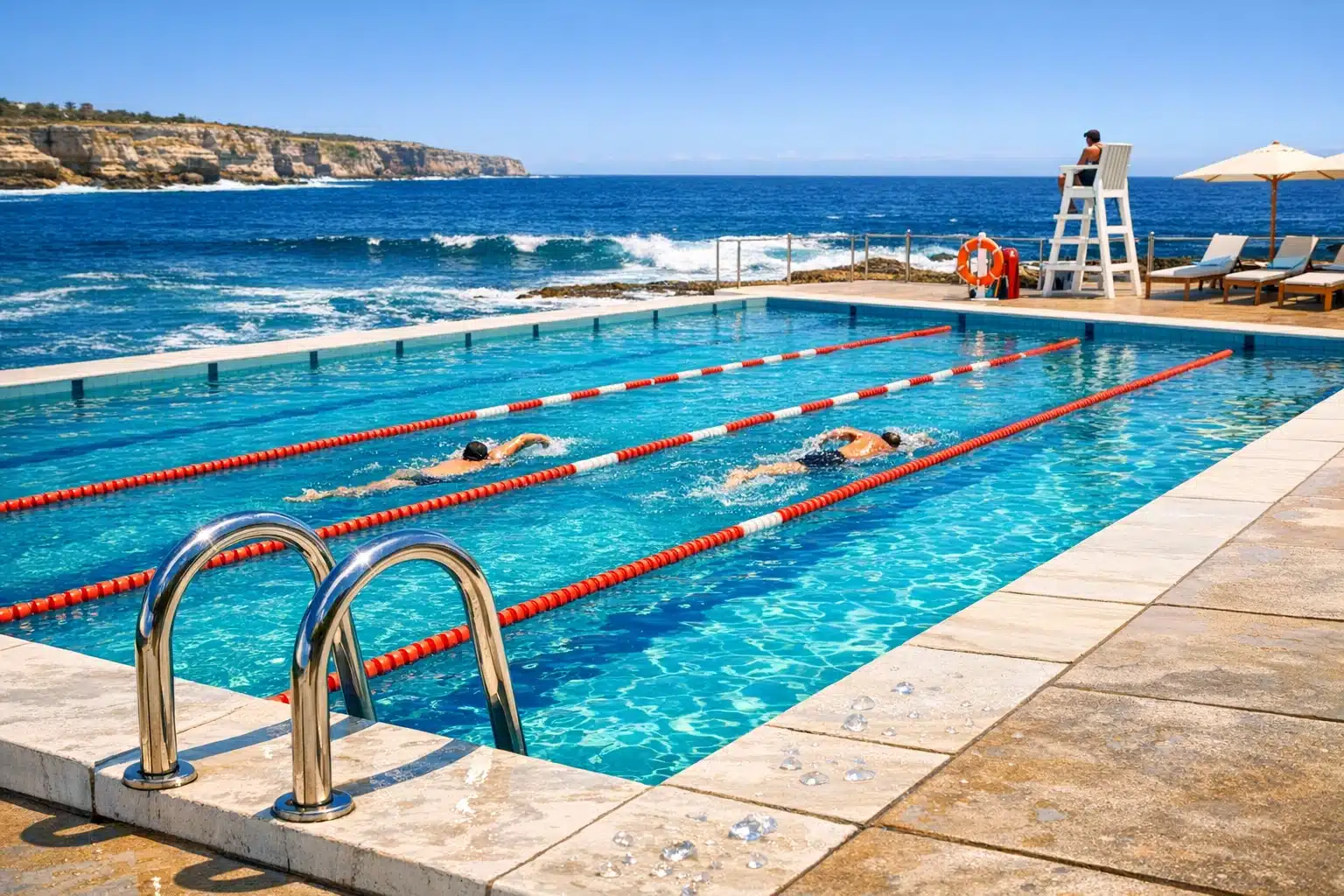
Explore the world of swimming
Why Swimming Matters: Introduction and Outline
Swimming is one of those rare activities that can feel playful, peaceful, and intensely demanding at the same time. It matters because it combines movement, breath control, water safety, and mental focus in a way few sports can match. From lap pools and lakes to Olympic arenas and beginner lessons, swimming reaches people of different ages, goals, and fitness levels. This article explores how the sport works, why it benefits the body and mind, and what makes it such a lasting skill.
Its relevance goes far beyond competition. Swimming is a public safety skill, a form of exercise that many people can continue across decades, and a cultural activity practiced in schools, clubs, beaches, rivers, and community pools around the world. Health professionals often recommend water-based exercise for people who need a lower-impact option, while coaches value swimming for its demand on coordination, endurance, and discipline. At the same time, water deserves respect. Drowning remains a major global public health concern, which means learning to swim is not just about performance or recreation. In many families, it is a practical layer of protection.
This article follows a clear route so readers can move from broad understanding to practical insight. The path ahead includes:
• a look at how swimming developed from survival skill to structured sport
• a comparison of the major strokes, settings, and formats
• an explanation of physical and mental benefits, including where limits and risks appear
• practical guidance on technique, training habits, equipment, and safety
• a reader-focused conclusion on who swimming suits and how to begin wisely
Think of the pool as a long blue sentence that reveals its meaning one breath at a time. Whether you want fitness, confidence, stress relief, or competitive improvement, swimming offers a deep subject worth exploring with patience and curiosity.
From Survival Skill to Global Sport
Human beings have been swimming for thousands of years, long before stopwatches, lane ropes, and electronic timing systems turned it into a measurable sport. Historical evidence from ancient civilizations suggests that swimming was known in places such as Egypt, Greece, and Rome, where it served practical purposes linked to travel, bathing, military preparation, and general physical education. Over time, what began as a means of survival and movement through water became a structured discipline with rules, techniques, and formal instruction. By the nineteenth century, organized swimming clubs and competitions had taken shape in Britain and other parts of Europe, helping transform swimming into a modern sport. Swimming was included in the first modern Olympic Games in 1896 for men, and women’s Olympic swimming events followed in 1912, marking a major step in its international recognition.
Modern swimming now exists in several forms, and each one emphasizes different strengths. Pool swimming is the most standardized, with marked distances, regulated water conditions, and official race formats. Open-water swimming introduces waves, currents, sighting challenges, and temperature changes that test judgment as much as speed. Recreational swimming values enjoyment and general movement, while competitive swimming narrows its focus to efficiency, technique, and time. The four primary competitive strokes each tell a different story:
• Freestyle, usually front crawl, is the fastest and most efficient for most swimmers.
• Backstroke allows easier breathing but requires spatial awareness without facing forward.
• Breaststroke depends heavily on timing and is often more approachable for beginners.
• Butterfly is powerful and graceful, but it is also technically demanding and physically taxing.
These differences matter because they show that swimming is not one thing. It can be explosive or meditative, social or solitary, precise or adventurous. A sprinter racing fifty meters does not train in the same way as an open-water swimmer covering several kilometers, just as a child learning to float has different goals from a masters athlete refining turn speed. That range is part of swimming’s appeal. Few activities stretch so easily from survival lesson to Olympic event without losing their basic identity. At its core, swimming remains simple: a person, a body of water, and the challenge of moving well through a substance that is beautiful, resistant, and never fully passive.
Health, Fitness, and the Mental Value of Time in the Water
Swimming has a strong reputation as a full-body workout, and that reputation is deserved. Water provides continuous resistance in every direction, so even steady, non-competitive swimming asks the body to work harder than it may appear from the deck. Because water is far denser than air, the muscles of the shoulders, back, chest, core, hips, and legs must coordinate constantly to maintain position and propel the body forward. Unlike some land-based activities, swimming can raise heart rate and improve cardiovascular endurance while reducing impact on joints. That makes it attractive to a wide audience, including people returning to exercise, older adults, and individuals managing certain movement limitations. Public health guidance for adults commonly recommends at least 150 minutes of moderate aerobic activity per week, and swimming can contribute meaningfully to that goal.
The benefits are not limited to physical conditioning. Many swimmers describe the water as mentally clarifying. Rhythmic breathing, repeated movement, and the muffled sensory environment can create a focused state that feels different from the overstimulation of daily life. For some people, lap swimming becomes a moving form of concentration: count the strokes, feel the pull, turn, breathe, repeat. Research in exercise science often shows that regular aerobic activity supports mood, sleep quality, and stress management, and swimming fits comfortably within that pattern. It also offers a valuable sense of progress. A beginner who once struggled to cross a short pool can, with practice, learn to float calmly, breathe without panic, and swim continuous lengths. That kind of improvement is measurable, personal, and deeply motivating.
Still, a balanced view matters. Swimming is joint-friendly, not injury-proof. Repetitive technique errors can contribute to shoulder irritation, neck tension, or lower-back discomfort, especially when training volume climbs quickly. Poor breathing habits can make the activity feel more exhausting than it needs to be, and cold water or unsafe conditions can add risk in open environments. The most useful way to think about swimming is not as a magic solution, but as a versatile tool with unusual strengths. Its major advantages include:
• aerobic conditioning without heavy pounding on knees and ankles
• broad muscular engagement across upper body, core, and lower body
• support for mobility, coordination, and breath control
• mental reset through rhythm, focus, and sensory separation from daily noise
For many readers, that combination is the real reason swimming remains relevant. It can challenge the fittest athletes, yet still welcome someone whose goal is simply to move, breathe, and feel better.
Technique, Training, Equipment, and Safe Practice
Good swimming is built on technique before it is built on effort. Beginners often assume speed comes from kicking harder or pulling faster, but experienced coaches usually start with body position, balance, and breathing. A swimmer who rides high in the water with a steady head and relaxed exhalation wastes less energy than someone fighting to stay aligned. In freestyle, for example, the body should remain long and streamlined, rotating through the torso rather than lying flat and rigid. The kick supports balance and momentum, but the arms and the timing of the catch do most of the forward work. Breaststroke relies more on timing than force, while backstroke rewards straight alignment and rhythm. Butterfly, dramatic as it looks, collapses quickly when coordination breaks down. In every stroke, efficiency is the hidden currency.
Training methods vary by goal. A new swimmer may spend most of a session on drills, short repeats, and rest, learning how to breathe without lifting the head excessively or how to glide without stalling. A fitness swimmer often uses moderate sets that build endurance, such as repeated lengths with brief recovery. Competitive swimmers train with a wider toolbox: intervals, sprint sets, pace work, turn practice, stroke counts, dryland strength work, and recovery sessions. One useful comparison is this: novice training focuses on removing struggle, while advanced training focuses on reducing wasted time and energy. Both are forms of refinement, just at different stages.
Equipment can help, but it should support learning rather than replace it. Common tools include goggles for visibility and comfort, caps for practicality, kickboards for leg-focused drills, pull buoys for upper-body emphasis, and fins for body position and propulsion awareness. Paddles may improve feel for the water when used correctly, though they can overload the shoulders if misused. The best gear is not always the most expensive; it is the equipment that matches the swimmer’s current needs. A well-fitted pair of goggles often matters more than a bag full of accessories.
Safety deserves equal weight. Pool rules and open-water judgment are not optional details. Basic practices include:
• never swimming alone in risky conditions
• choosing supervised environments whenever possible
• understanding depth, temperature, currents, and weather before entering natural water
• resting when dizzy, cramped, or overly fatigued
• learning lane etiquette so training spaces remain predictable and calm
Water can be welcoming, but it is never careless. Respect is part of skill. The swimmers who progress most steadily are usually not the reckless ones; they are the people who combine curiosity, patience, and consistent practice with sound decisions.
Swimming for Different Lives: Practical Uses and a Reader-Focused Conclusion
One reason swimming endures is that it meets people where they are. For children, it can be a lifesaving foundation that builds confidence and basic water awareness early. For teenagers, it may become a school sport, a social activity, or a disciplined training routine that teaches consistency. Adults often come to swimming for different reasons: stress relief, general fitness, cross-training, rehabilitation, or the simple wish to learn a skill they missed earlier in life. Older adults frequently value the way water supports movement while easing some of the impact felt in land exercise. In rehabilitation and wellness settings, supervised aquatic exercise is often used because buoyancy can reduce load while still allowing meaningful movement. The audience for swimming is broad because the activity itself is flexible.
That flexibility also shows up in where and how people swim. Some readers will be happiest counting laps in a predictable indoor pool. Others will feel drawn to lakes, rivers, or the sea, where every session has a slightly different personality. Pool swimming offers control, easy measurement, and clearer progression. Open-water swimming offers variety, scenery, and a different relationship with distance and direction. Neither is automatically better. The stronger choice depends on goals, access, confidence, and safety preparation. Barriers still exist, of course. Lessons cost money, facilities are not equally distributed, and cultural comfort around swimming can vary widely. Those realities matter, especially when discussing who gets the chance to build water confidence. Expanding access to lessons and safe public facilities is not just good for sport; it supports health and safety at community level.
For readers wondering what to do next, the most practical answer is refreshingly simple. Start with your actual needs, not with someone else’s highlight reel. If you are new, begin with instruction, comfort in shallow water, and short, manageable practice. If you already swim, focus on one improvement at a time: smoother breathing, better alignment, steadier pacing, or safer open-water habits. If your goal is fitness, aim for regular sessions rather than heroic ones. If your goal is confidence, celebrate technical progress as much as distance. Swimming does not demand that every person become fast, competitive, or fearless. It asks for attention, respect, and repetition. Give it those things, and the rewards tend to arrive in layers: stronger lungs, calmer focus, safer choices, and the quiet satisfaction of moving well through water that once may have felt uncertain.