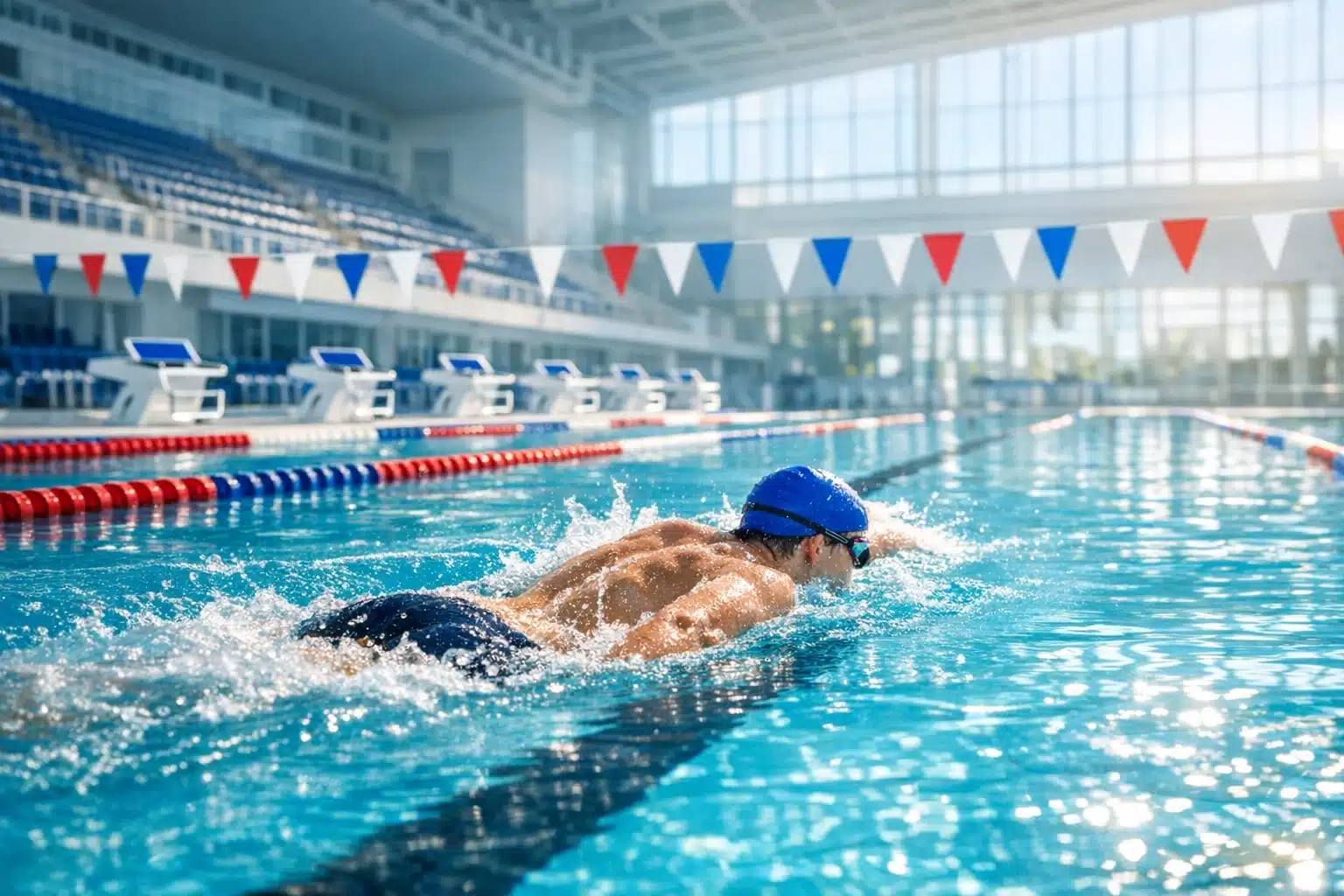
Explore the world of swimming
Why Swimming Matters: Introduction and Article Outline
Swimming occupies a rare space between survival skill, competitive sport, and restorative exercise. A single session can challenge the heart, mobilize stiff joints, and quiet a crowded mind, all without the pounding that running often brings. Because it suits children learning water confidence, adults rebuilding fitness, and older people seeking low-impact movement, its relevance stretches across life stages. To understand why the pool keeps calling people back, it helps to look at swimming from several angles rather than only as exercise.
Its importance is practical as well as personal. Knowing how to float, tread water, and move efficiently through water can increase safety in everyday life, especially around beaches, lakes, rivers, and backyard pools. At the same time, swimming has earned a lasting place in sport and fitness because it develops aerobic capacity, coordination, muscular endurance, and body awareness all at once. Public health guidance from organizations such as the World Health Organization emphasizes regular aerobic activity for long-term health, and swimming fits that recommendation well for people who want a full-body option that is easier on the joints than many land-based workouts.
The appeal is broader than numbers alone. For some, the water feels like a reset button after a noisy day. For others, it is a technical puzzle, where a small change in hand entry or hip position suddenly makes each lap smoother. Water never hides inefficiency. It answers every movement immediately, either with glide or resistance, and that instant feedback is part of what makes swimming so absorbing.
This article follows a clear five-part outline:
– why swimming is relevant and how this guide is organized
– how the main strokes work and what makes technique efficient
– what science and experience tell us about fitness and health benefits
– how safety, gear, and different swimming environments shape the experience
– how beginners and returning swimmers can build a sustainable routine
By starting with the bigger picture and then moving into technique, benefits, safety, and long-term practice, the guide is designed for curious readers rather than specialists alone. Whether you are thinking about your first lesson, returning to the pool after years away, or simply trying to understand why swimming has such enduring value, the sections ahead aim to be practical, balanced, and useful.
How Swimming Works: Strokes, Body Position, and Efficient Movement
Swimming looks graceful when done well, but that grace is built from mechanics. Water is far denser than air, so even a small technical flaw can create drag and waste energy. Efficient swimmers learn to move with the water rather than fight it, using alignment, timing, and controlled breathing to travel farther with each stroke. In simple terms, good swimming is the art of reducing resistance while producing just enough force to keep momentum.
Body position is the foundation. A horizontal line from head to heels helps the body ride higher in the water, which usually means less drag. If the head lifts too much, the hips and legs often sink, turning every length into a harder job. That is why coaches often repeat a basic idea: look down, stay long, and let the water support you. It sounds simple, yet it can transform efficiency.
The four competitive strokes each solve the movement problem differently. Freestyle, or front crawl, is generally the fastest and most economical stroke for most swimmers because it allows continuous propulsion and a streamlined body line. Backstroke shares some of those advantages but places the swimmer face-up, which changes breathing and balance. Breaststroke is slower for many athletes, yet it is popular with recreational swimmers because the timing is distinctive and the head can rise more naturally. Butterfly is the most demanding of the four, requiring strength, rhythm, and excellent coordination between the dolphin kick and arm recovery.
Several technical principles apply across strokes:
– streamline the body whenever possible, especially after push-offs
– exhale steadily in the water instead of holding the breath too long
– connect the kick to body balance, not just speed
– keep movements controlled rather than rushed
– use rotation or timing to transfer effort efficiently
Freestyle offers a useful comparison point. When swimmers overreach, cross the midline, or kick wildly, they often feel as if they are working hard but going nowhere. When they improve the catch, maintain a stable torso, and breathe without twisting out of shape, the same pool suddenly feels shorter. That contrast is one reason technique matters so much in swimming compared with some other activities. Strong effort helps, but smart movement matters more than many beginners expect.
Breathing deserves special attention because it shapes comfort and confidence. New swimmers often treat breathing as a disruption, lifting the head abruptly and breaking rhythm. Skilled swimmers treat it as part of the stroke cycle. A calm exhale underwater and a brief, well-timed inhale to the side can make freestyle feel smoother within a single practice session. In backstroke, breathing is less restricted because the face stays above water, though alignment is still important. In breaststroke and butterfly, the timing of the breath is built into the rise and fall of the stroke.
Seen up close, technique is not decoration. It is the difference between splashing through a workout and slicing through it. Once swimmers understand how balance, drag, propulsion, and breathing interact, progress becomes easier to measure and much more satisfying to feel.
Health and Fitness Benefits: What Swimming Can Do for Body and Mind
Swimming earns so much respect because it trains several systems at once. It challenges the cardiovascular system, engages large muscle groups across the body, and asks the swimmer to coordinate breathing with movement in a steady rhythm. That combination makes it more than a casual pastime. For many people, it becomes a reliable form of whole-body exercise that can be adjusted for gentle recovery, moderate conditioning, or hard training.
From a fitness perspective, swimming is a form of aerobic activity that can support heart and lung health when practiced consistently. General public health guidance for adults often recommends at least 150 minutes of moderate-intensity aerobic activity per week, and swimming can contribute directly to that target. Depending on pace, stroke choice, and body size, a 30-minute session may burn a meaningful number of calories, often in the rough range of a brisk walk to a challenging bike ride. The exact number varies, but the bigger point is that swimming allows intensity to scale. A slow technique session and a hard interval set can feel like two entirely different workouts.
Another major advantage is reduced impact. Because water supports the body, swimming can be more comfortable for people who find running, jumping, or court sports irritating to the knees, hips, ankles, or back. That does not make swimming effortless; resistance in water is constant. It does, however, mean that a person can work hard without the repeated ground impact associated with some land-based exercise. This is one reason aquatic activity is often recommended in rehabilitation settings or for individuals returning to movement after injury, though personal medical guidance still matters.
The muscular benefits are broad rather than isolated. Freestyle and backstroke challenge the shoulders, upper back, core, and legs in a continuous chain. Breaststroke emphasizes timing and lower-body action differently, while butterfly requires exceptional coordination and power. Even recreational lap swimming develops endurance because muscles must keep producing force against water resistance, length after length. Unlike a machine that controls the path of motion, the pool asks the body to organize itself every second.
Mental benefits are equally important, even if they are harder to measure neatly. The repetitive sound of water, the pattern of strokes, and the need to stay present with breathing can create a meditative quality. Many swimmers describe a good session as mentally clarifying, like stepping out of static and into signal. Research on exercise and mental well-being broadly suggests that regular physical activity can help reduce stress and support mood, and swimming fits well within that conversation.
A useful comparison can be made with gym-based cardio. Treadmills, rowing machines, and bikes each have strengths, but swimming adds buoyancy, cooling, and a unique sensory environment. There is no screen to stare at if you do not want one, only the black line on the pool floor, the wall approaching, and the simple instruction to keep moving. For people who dislike repetitive land workouts, that difference can make consistency easier.
The main takeaway is not that swimming is superior for every person in every circumstance. Rather, it is unusually versatile. It can support performance goals, general fitness, stress management, recovery, and lifelong movement in ways that few activities manage all at once.
Safety, Environments, and Equipment: Pools, Open Water, and Smart Preparation
Swimming offers freedom, but water also demands respect. Safety is not a gloomy side note to the sport; it is part of being competent and confident in the water. A strong swimmer in a warm indoor pool is dealing with a very different situation from a beginner at a beach or a triathlete in choppy open water. Understanding the environment is therefore as important as understanding technique.
Pools are controlled spaces, which is one reason they are ideal for learning. Lane lines, clear depth markings, predictable temperature, and lifeguard supervision reduce uncertainty. Even so, accidents can happen in familiar settings. Slippery decks, crowded lanes, shallow diving, and inattention around children remain real concerns. Basic habits matter: enter the water with awareness, learn lane etiquette, avoid rough play, and never assume that another person is watching closely enough to replace direct supervision.
Open water is beautiful, but it changes the rules. Lakes may hide sudden temperature changes, low visibility, weeds, or uneven bottoms. Rivers add current, which can tire swimmers faster than expected. The sea brings waves, tides, and the possibility of rip currents. Distance is also deceptive outdoors. A marker or shoreline can look close until a swimmer is midway and realizes how much energy the return will require. That is why open-water swimming should be approached progressively, ideally with local knowledge, proper support, and conservative judgment.
A practical safety checklist includes:
– learn basic floating, treading water, and calm breathing before attempting longer swims
– use lifeguarded areas whenever possible
– avoid swimming alone, especially in open water
– check weather, water temperature, and current conditions
– wear a bright cap in open water to improve visibility
– tell someone your plan, route, and expected return time
– stop early if you feel cold, disoriented, cramped, or unusually fatigued
Equipment can improve comfort and usefulness, though it does not replace skill. Goggles help with visibility and reduce the irritation caused by chlorinated water. A well-fitted swimsuit allows unrestricted movement. Swim caps are common in training and competition, especially for keeping hair managed and improving visibility outdoors. Training tools such as kickboards, pull buoys, fins, and paddles can isolate certain skills, but they are best used with purpose rather than as random add-ons.
There is also a difference between gear that supports learning and gear that creates false confidence. A kickboard can help a beginner focus on leg action, but it does not teach independent balance. A wetsuit can add buoyancy in open water, yet it cannot solve poor navigation or panic. The safest swimmers are not the ones carrying the most equipment. They are the ones who combine preparation, self-awareness, and respect for conditions.
In the end, water rewards attention. The pool asks for discipline, the lake asks for judgment, and the ocean asks for humility. If swimmers accept those terms, safety becomes less about fear and more about readiness.
Building a Sustainable Swimming Practice: Training, Motivation, and a Conclusion for New and Returning Swimmers
Starting a swimming routine can feel awkward at first, especially for adults who are fit on land but inefficient in the water. That discomfort is normal. Swimming has a steeper technical learning curve than many forms of exercise, which means progress may arrive quietly before it arrives dramatically. One week you stop gasping after each length. A little later your kick settles down. Then, almost by surprise, ten minutes in the pool turns into thirty. Sustainable improvement often looks exactly like that: small changes stacking into real confidence.
For beginners and returning swimmers, consistency matters more than heroic effort. Two or three short sessions per week usually work better than one punishing workout followed by long gaps. Early practices should focus on comfort, breathing, and form before volume. If every lap is a struggle, technique is likely the limiting factor rather than fitness alone. Lessons, masters swimming groups, or even a few sessions with a qualified coach can shorten the learning curve significantly.
A simple progression might look like this:
– begin with 20 to 30 minutes in the pool, including rest between lengths
– alternate easy swimming with short drills that target balance and breathing
– increase total distance gradually rather than doubling workload in a single week
– use different strokes or kick sets to avoid monotony
– track one or two markers, such as total laps or how rested you feel after a set
Motivation also improves when the goal is clear. Some people swim for weight management, others for endurance, rehabilitation, stress relief, or race preparation. The training should match the purpose. A recreational swimmer may benefit from mixed easy laps and technique work. A triathlete may emphasize sustained freestyle and sighting practice. A parent teaching children may prioritize water confidence, floating, and safe habits over formal stroke perfection. Swimming is broad enough to accommodate all of those paths, which is part of its long-term appeal.
Variety keeps the practice alive. One session can be structured around drills, another around steady aerobic work, and another around short intervals with generous rest. Many swimmers also stay engaged by setting seasonal goals: complete a continuous 500 meters, learn backstroke turns, join a local open-water event, or simply swim through the winter. These milestones create direction without requiring elite ambition.
For the target audience of this article, especially beginners, casual exercisers, and adults returning after years away, the most useful conclusion is reassuringly simple. You do not need to look like a competitive swimmer to benefit from swimming. You need patience, a safe environment, and enough curiosity to keep showing up. Technique will improve, fitness will follow, and the water will become less like an obstacle and more like a partner.
Swimming is one of the few activities that can teach practicality, discipline, resilience, and calm at the same time. It asks for respect, but it gives back range: range of motion, range of effort, range of age, and range of purpose. If you start where you are, learn deliberately, and build steadily, the world of swimming opens not all at once, but lap by lap.