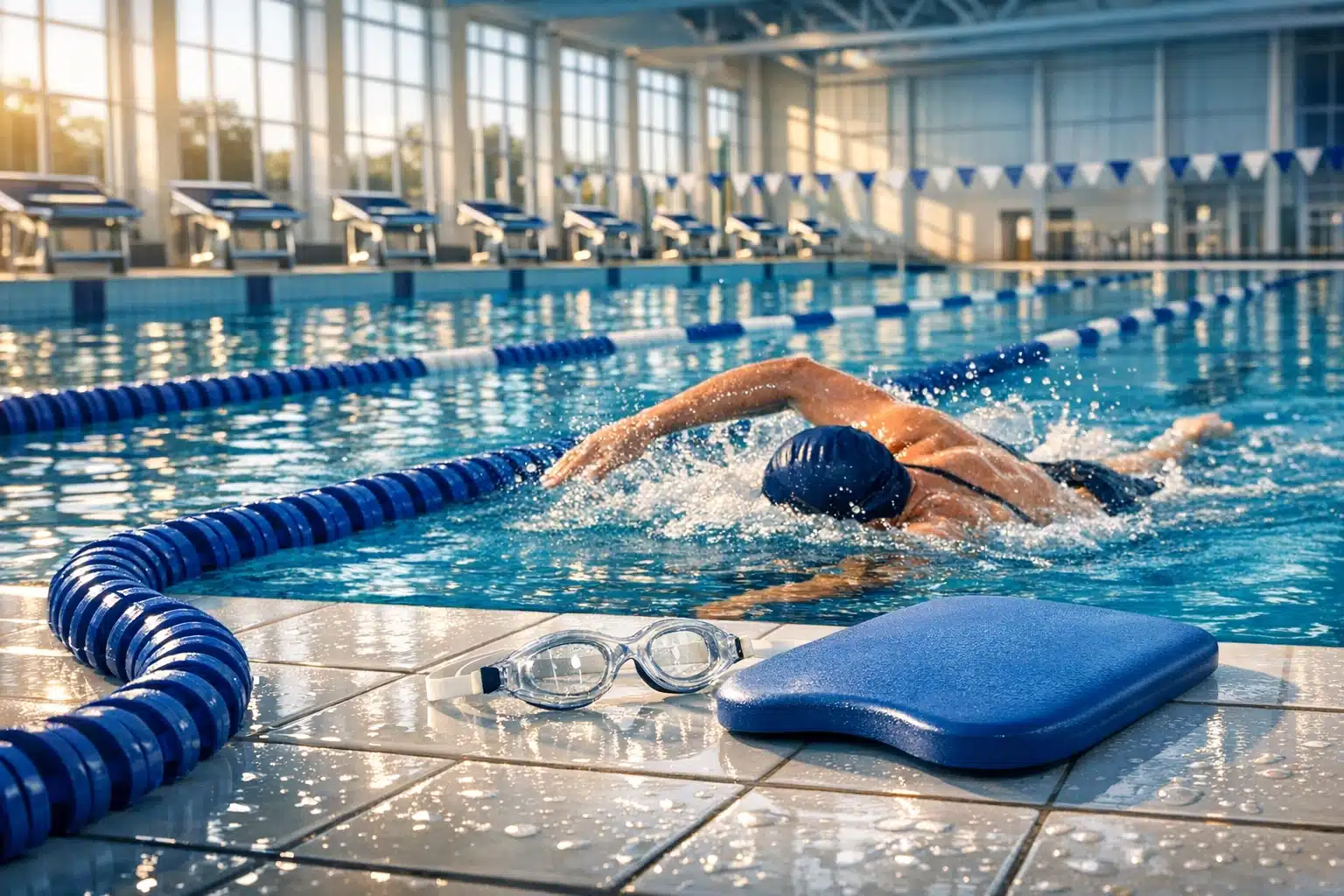
Explore the world of swimming
Swimming sits at an unusual crossroads: it is a life skill, a competitive sport, a therapeutic exercise, and for many people a quiet form of escape. Few activities ask the body to work against resistance from every direction while also teaching rhythm, breath control, and composure. Whether your goal is fitness, confidence in deep water, or a better understanding of technique, learning about swimming pays off long before you reach the far wall. The sections below map the subject clearly, moving from purpose and mechanics to training, safety, and long-term enjoyment.
Outline: The article first explains why swimming remains important across health, education, and recreation. It then compares the main strokes and their mechanics, looks at training methods and fitness effects, examines safety and equipment in pools and open water, and ends with practical guidance for readers who want to make swimming part of everyday life.
Why Swimming Matters: Health, Confidence, and Everyday Relevance
Swimming matters for a simple reason: it blends usefulness with enjoyment. Many sports improve fitness, but not all of them double as survival skills. Swimming does. A person who learns how to float, breathe calmly, and move efficiently in water gains more than exercise; they gain a level of personal security that can last a lifetime. That is one reason swimming is taught in schools, community programs, and youth clubs around the world. It supports public safety as much as personal recreation.
From a physical point of view, swimming is unusually versatile. Water is far denser than air, so every movement meets steady resistance. That means the arms, legs, back, shoulders, and core all contribute at once, often without the jarring impact associated with running on pavement or high-contact sports. Because the body is buoyant in water, swimming can be more comfortable for people with joint concerns, those returning from injury, or older adults who want aerobic exercise without heavy pounding. At the same time, it can be made very demanding for trained athletes through speed work, distance sets, and technical drills.
The mental side of swimming is just as valuable. Many swimmers describe the feeling of entering the pool as stepping into a quieter world. The sound changes, breathing becomes deliberate, and attention narrows to timing and sensation. This can make swimming deeply restorative after a busy day. Research on exercise broadly shows that regular physical activity supports mood, stress management, and sleep quality, and swimming often fits that picture especially well because it combines repetitive movement with controlled breathing.
Its relevance also stretches beyond fitness culture. Families value swimming because vacations, beaches, lakes, and hotel pools all involve water exposure. Communities invest in public pools because they serve children learning basic safety, teens looking for sport, adults seeking health, and seniors wanting mobility work. Key reasons swimming remains important include:
• it teaches practical water safety
• it offers low-impact cardiovascular training
• it can be recreational or highly competitive
• it is adaptable across age groups and ability levels
In other words, swimming is not just an activity for athletes in lanes. It is a skill for ordinary life, a tool for better health, and for many people, one of the few exercises that can feel both disciplined and freeing at the same time.
Understanding the Main Strokes and the Mechanics Behind Them
To an untrained eye, swimming may look like a simple matter of moving arms and kicking harder. In reality, good swimming is built on technique, and technique determines whether a swimmer glides efficiently or fights the water every second. The four main competitive strokes are freestyle, backstroke, breaststroke, and butterfly. Each one asks the body to solve the same challenge in a different way: how to travel forward while staying balanced, streamlined, and relaxed enough to keep going.
Freestyle, often called front crawl, is usually the fastest and most commonly learned stroke for fitness swimming. The body stays as horizontal as possible, the arms alternate in continuous motion, and the kick helps stabilize rhythm as much as it drives speed. Good freestyle is less about windmilling the arms and more about long body position, steady rotation through the torso, and breathing without lifting the head too high. When beginners struggle, the problem is often not a lack of effort but poor alignment. A sinking hip or late breath can turn a smooth stroke into a tiring one almost instantly.
Backstroke shares some principles with freestyle, but the swimmer is on the back and breathing is unrestricted because the face remains above water. That can make it feel easier at first, though keeping direction and maintaining a stable hip position can be tricky. Breaststroke is slower but highly technical. Its pull and kick follow a glide pattern, and timing matters enormously. Done well, it looks calm and measured; done poorly, it becomes drag-heavy and exhausting. Butterfly is the most physically demanding of the four for many swimmers, relying on coordinated arm recovery, a wave-like body action, and precise timing. It is powerful, dramatic, and unforgiving of sloppy rhythm.
No matter the stroke, a few fundamentals keep appearing:
• streamline reduces drag
• body rotation improves reach and power
• controlled breathing supports endurance
• timing matters as much as strength
Comparing the strokes helps reveal what swimming really is. Freestyle rewards efficiency over force. Backstroke tests balance and awareness. Breaststroke emphasizes coordination and patience. Butterfly demands rhythm, mobility, and commitment. Learning these differences gives swimmers a richer relationship with the water. Suddenly, the pool is not just a rectangle to cross; it becomes a place where physics, movement, and timing meet in elegant ways.
Training in the Water: Fitness, Endurance, and Skill Development
Swimming training can look deceptively simple from the deck. A swimmer dives in, travels up and down the pool, and climbs out looking either refreshed or thoroughly spent. Yet structured swim training is highly varied. A well-designed session can target endurance, speed, technique, recovery, or race preparation, and the difference often comes down to how distance, rest, and intensity are combined.
For general fitness, swimming is an effective cardiovascular workout because it keeps large muscle groups engaged over time. Public health guidelines commonly recommend at least 150 minutes of moderate aerobic activity per week for adults, and swimming can contribute strongly to that total. Unlike some land-based exercises, it also adds full-body resistance at the same time. That combination explains why a moderate swim can feel demanding even when the pace looks unhurried from outside the water.
Training also teaches an important lesson: effort alone does not guarantee improvement. Beginners often try to swim harder when they would benefit more from swimming cleaner. A shorter, technically sound stroke count can sometimes outperform a frantic, high-splash effort. Coaches therefore use drills to sharpen specific skills. A kick set may build leg endurance and body position. Pull work can isolate the upper body. Sculling drills improve feel for the water, which is the subtle ability to sense pressure against the hands and forearms. Intervals, meanwhile, help swimmers manage pacing and recovery.
A balanced session often includes:
• an easy warm-up to raise body temperature and loosen the shoulders
• drills that focus on breathing, alignment, or kick timing
• a main set for endurance or speed
• a cool-down that returns the body to a calmer state
Swimming also compares interestingly with other forms of training. Running may build bone-loading tolerance more directly, while cycling allows longer continuous efforts with little impact, but swimming occupies a distinct middle ground. It can challenge the heart and lungs, strengthen multiple muscle groups, and develop mobility, especially in the shoulders, ankles, and thoracic spine. The water’s cooling effect can make sustained work more comfortable, though it may also hide sweat loss, so hydration still matters.
For competitive swimmers, details become even sharper: turns, starts, underwater phases, and split times can change outcomes significantly. In a 50-meter Olympic pool, fractions of a second matter. For recreational swimmers, progress may look different: more relaxed breathing, fewer stops, straighter lines, or the first confident swim of several continuous lengths. Both forms of progress count. In swimming, fitness and skill are intertwined, and that is part of what makes training so satisfying.
Safety, Equipment, and the Different Worlds of Pool and Open-Water Swimming
Swimming is enjoyable precisely because water can feel inviting, but that same quality makes safety essential. Confidence in water should never become carelessness around it. Pools, lakes, rivers, and the sea all present different conditions, and strong swimmers learn to respect those differences rather than assume their fitness will solve every problem. A calm lane pool with visible markings and lifeguards is not the same environment as cold open water with currents, changing weather, and limited visibility.
Pool safety begins with habits that sound basic because they are basic. Do not run on wet surfaces. Check lane direction and pace before joining. Enter water carefully if depth is uncertain. Supervise children closely, even in shallow areas. If a lifeguard is present, treat instructions as non-negotiable. These habits may seem small, but safe swimming is often the result of ordinary attention rather than dramatic rescue scenarios.
Open-water swimming adds layers of complexity. Water temperature can drop quickly below the surface, currents may pull sideways rather than directly away, and sighting becomes necessary because there are no lane ropes to keep you straight. Wind, boat traffic, wave patterns, and changing weather can alter conditions in minutes. Swimmers entering natural water are usually safest when they go with a group, use visible equipment such as bright caps or tow floats where appropriate, and understand the route before starting. Fitness is helpful, but judgment is what keeps a swim manageable.
Equipment also shapes comfort and performance. A good pair of goggles can transform the experience by improving visibility and reducing eye irritation. Swim caps help keep hair contained and may improve streamlining slightly. Training tools such as kickboards, fins, pull buoys, and paddles each serve a purpose, though they are most useful when matched to a clear goal rather than used randomly. In cooler open water, a wetsuit can provide buoyancy and thermal protection. The right gear is not magic, but it removes unnecessary friction between swimmer and environment.
Useful safety and equipment reminders include:
• choose gear that fits properly instead of simply looking impressive
• learn the difference between flotation aids and life-saving devices
• never overestimate your range in unfamiliar water
• stop early if cold, fatigue, or confusion begins to build
What makes swimming beautiful is also what makes it serious: water does not negotiate. It rewards preparation, punishes distraction, and asks for humility from everyone, from first-time learners to experienced triathletes. Respecting that reality does not make swimming less fun. It makes it sustainable, wiser, and far more enjoyable over time.
A Practical Conclusion for Readers Who Want Swimming to Last
If you are reading this as a beginner, a returning exerciser, a parent, or someone simply curious about the sport, the most useful takeaway is that swimming does not need to start with ambition on a grand scale. It starts with comfort, consistency, and patience. The first goal is not elegance worthy of a championship final. It is learning to feel at ease in the water, to breathe without panic, and to understand that skill grows one repeat at a time. Even confident adults often discover that swimming humbles them at first. That is normal, and it is not a reason to quit.
For readers focused on health, swimming offers a rare mix of accessibility and challenge. You can make it gentle enough for recovery days or demanding enough to leave the shoulders buzzing and the lungs wide awake. For parents, it remains one of the most valuable abilities a child can learn, not only because it opens the door to sport and recreation, but because water awareness carries real safety value. For older adults, it can provide movement that feels kinder to joints while still asking the heart and muscles to work. For competitive personalities, swimming offers endless room to measure and improve: technique, pace, endurance, turns, and tactical awareness.
The smartest path forward is usually simple:
• start with realistic sessions rather than heroic ones
• get basic instruction if technique feels confusing
• build frequency before chasing speed
• treat safety habits as part of the sport, not as an afterthought
Over time, swimming becomes more than exercise. It becomes a language of timing and sensation. You learn what a rushed breath feels like, what balance across the hips feels like, what clean water on the catch feels like. Progress may arrive quietly: one extra length without stopping, a calmer start in deep water, a smoother turn, a stronger finish. Those moments matter because they show that swimming rewards attention as much as effort.
So for the target reader of this guide, the conclusion is straightforward. Swimming is worth learning, worth refining, and worth keeping in your life. It can protect, strengthen, calm, and challenge you, sometimes all in the same session. If you approach it with curiosity instead of impatience, the water stops feeling like an obstacle and starts feeling like a place where your body and mind can work together with unusual clarity.